
3D-Printed Plant-Based Salmon Now Available in the U.S.
Written with artificial intelligence.
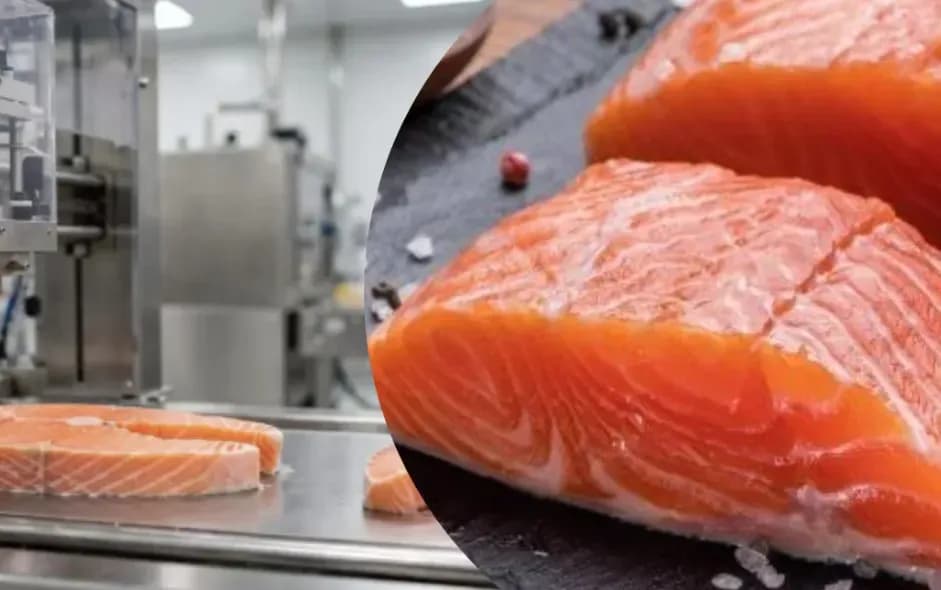
A new plant-based salmon alternative, produced through 3D printing, has launched in the U.S. market. This product, made by Steakholder Foods, is designed to mimic the texture of real salmon using various plant-based ingredients.
Product Overview
Sales of a plant-based salmon alternative have commenced in the United States, produced using advanced 3D printing technology by the Israeli company Steakholder Foods under its Perfecta brand. The product is available in the form of patties, and has been distributed in the northeastern U.S. since September 2026 through KeHE, a natural products distributor.
Ingredients and Production
The 3D-printed salmon contains no actual fish. Instead, it is crafted from a blend of plant-based ingredients, including soy and wheat proteins, canola and coconut oils, and beet powder, which imparts its pink color. The production process involves applying a special plant-based paste in thin layers to create structures that mimic both muscle fibers and fat layers, replicating the texture of real fish.
Nutritional Considerations
While the technology allows for a product that visually resembles salmon, it is important to note that this alternative does not offer the same nutritional profile. The levels of omega-3 fatty acids, vitamins, and minerals may vary significantly from those found in actual salmon.
Broader Innovations
Steakholder Foods is also exploring 3D printing to create plant-based alternatives to beef, chicken, and various fish types, aiming for products that closely resemble conventional meat and seafood. In addition, advancements in 3D printing are being seen in other industries, such as the development of unmanned marine vessels and portable turbojet engines, highlighting the versatile applications of this technology.