
China Yangtze Power Engages Dongfang Electric for Turbine Seal Ring Repair Technology
Written with artificial intelligence.
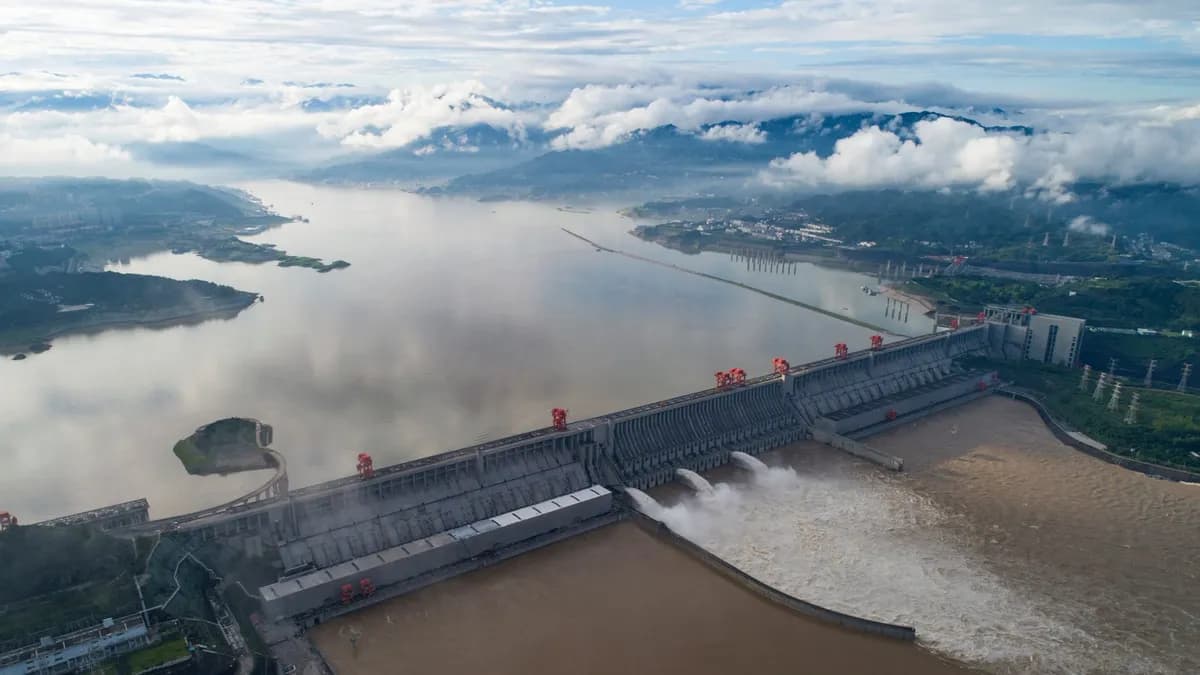
China Yangtze Power has contracted Dongfang Electric Machinery for 15.8 million yuan (approximately $2.36 million) to develop in-situ additive manufacturing technology for turbine runner seal ring repairs at the Three Gorges hydropower station. The project, spanning 29 months, aims to enhance maintenance efficiency for large turbine components.
Project Overview
China Yangtze Power has awarded a contract to Dongfang Electric Machinery worth 15.8 million yuan (around $2.36 million) to create in-situ additive manufacturing (AM) technology for repairing turbine runner seal rings at the Three Gorges hydropower station. This initiative is part of a 29-month project focusing on seal rings with diameters ranging from 8.4 to 10.9 meters across eight different generator types at the world's largest hydropower facility.
Challenges in Seal Ring Maintenance
Currently, the maintenance process for failing seal rings involves complete replacement, which is both time-consuming and costly. The existing method requires a new ring to be manufactured, transported, and installed, followed by precise machining. This process can lead to significant turbine downtime, impacting power generation. The new project aims to improve this by enabling repairs directly on-site using AM technology, thus minimizing downtime and material waste.
Technology Development Requirements
The contract outlines that Dongfang Electric must develop both the repair technology and necessary equipment for on-site manufacturing. This includes a collaborative system featuring modular structures, multiple additive units, and intelligent control software. Additionally, the project mandates the creation of standardized repair procedures for all generator types at Three Gorges.
Future Implications
This contract is focused on technology development and equipment prototyping rather than immediate full-scale repairs. The successful application of in-situ AM could significantly reduce repair costs and downtime. It also requires the submission of at least ten patent applications and a research paper to ensure a documented technology base is established. The feasibility of delivering this within the designated budget and timeline remains to be seen.