
CMS to Unveil Krearob Robotic 3D Printer at Formnext
Written with artificial intelligence.
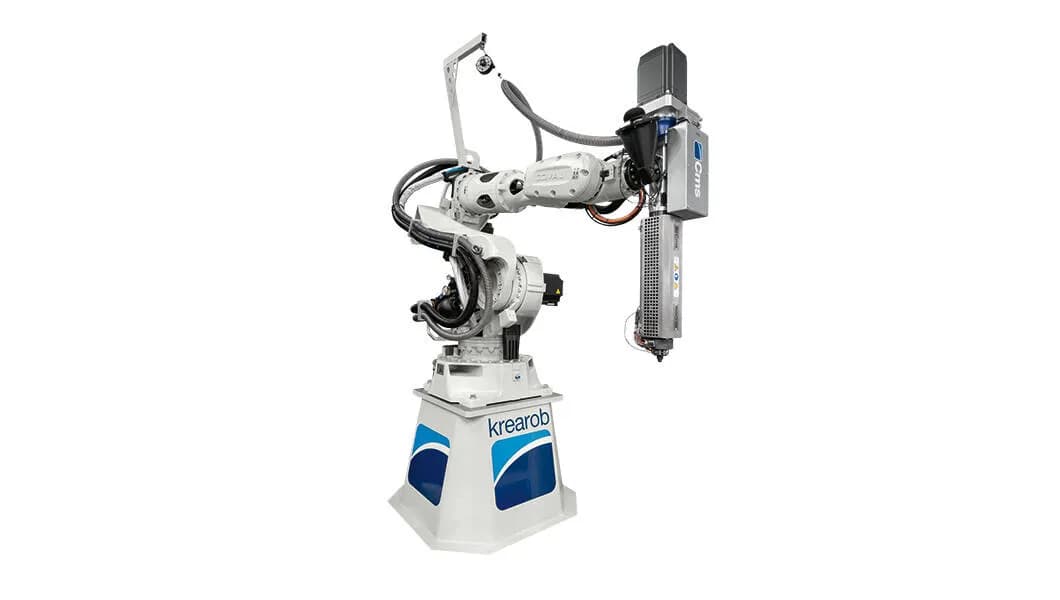
CMS SpA will showcase its Krearob robotic large-format additive manufacturing system at Formnext in Frankfurt, marking its first appearance at the event. The system promises significant material savings of up to 80% compared to traditional manufacturing methods and will be demonstrated live at Hall 12.0, Stand D51.
Introduction of Krearob
Italian machinery manufacturer CMS SpA is set to debut its Krearob robotic large format additive manufacturing (LFAM) system at the upcoming Formnext trade show in Frankfurt. This event will highlight the system’s capabilities with live demonstrations scheduled at Hall 12.0, Stand D51.
Features and Applications
Krearob, part of CMS's extensive additive manufacturing portfolio, utilizes a six-axis robotic arm designed for producing thermoplastic tooling, molds, and components with complex geometries. CMS claims that the Krearob can reduce material use and part weight by up to 80% compared to traditional methods, while maintaining high productivity and quality. The system integrates an extrusion unit with proprietary slicing software and a human-machine interface for seamless programming and operation.
Comparison with Kreator A3
Alongside the Krearob, CMS will also exhibit the Kreator A3, a gantry-based industrial 3D printer capable of processing up to 30 kg of material per hour. While the Krearob targets industries requiring multi-axis positioning and flexibility, the Kreator A3 is optimized for large-format printing within a defined space. Marino Chiappa, Division Director at CMS, emphasized that both machines cater to different production needs, allowing manufacturers to select the most suitable technology for their requirements.
Future of Additive Manufacturing
CMS's approach of maintaining both robotic and gantry LFAM systems as parallel lines reflects its commitment to meeting diverse manufacturing needs. This strategy aligns with similar offerings from companies like CEAD, which also focus on both machine types, thus enhancing the flexibility available to manufacturers in the additive manufacturing landscape.