
University of Innsbruck Adopts Wayland Additive Calibur3 Metal 3D Printer
Written with artificial intelligence.
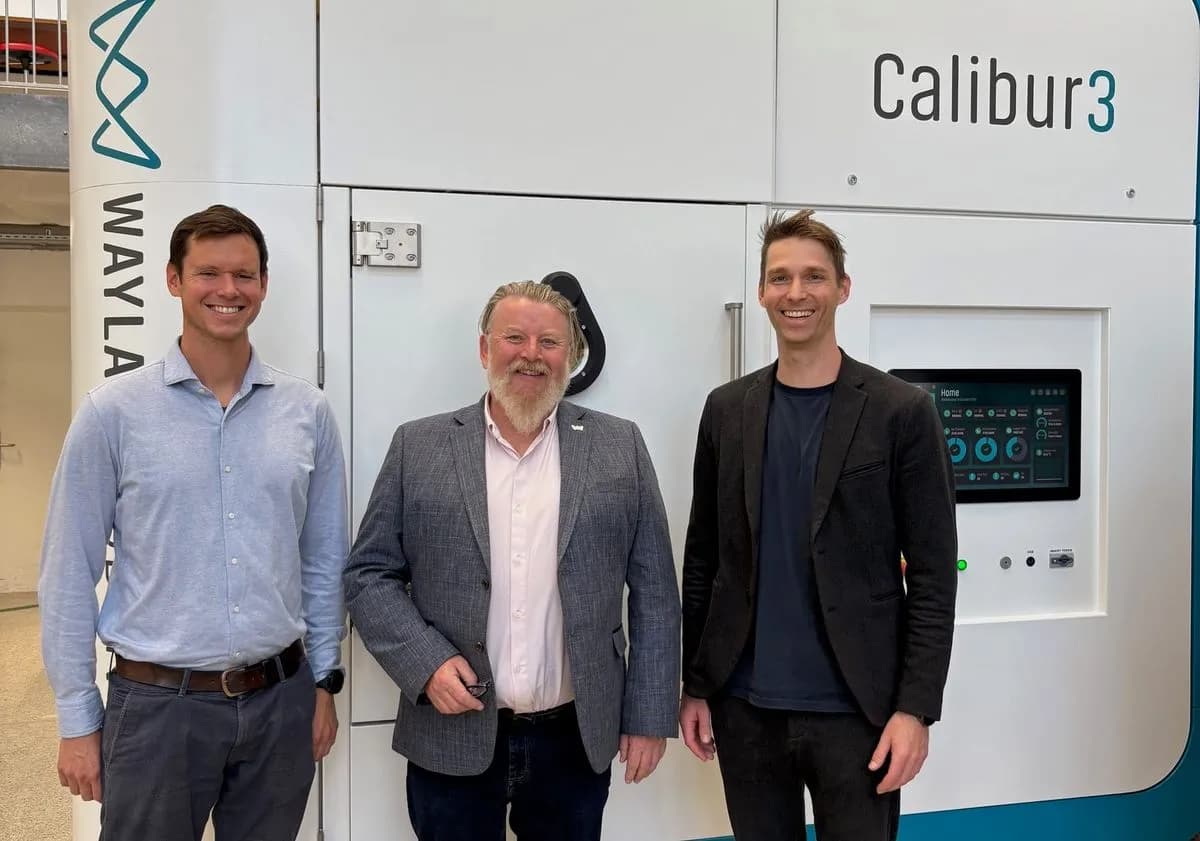
The University of Innsbruck has installed a Wayland Additive Calibur3 electron beam metal 3D printer, supported by funding from the Austrian Research Promotion Agency. This advanced system will aid in the development of materials and processes, particularly for challenging and high-temperature materials.
New Installation for Advanced Research
The University of Innsbruck has recently implemented a Wayland Additive Calibur3 electron beam (eBeam) metal additive manufacturing system. This installation, funded by the Austrian Research Promotion Agency (FFG) through the R&D Infrastructure Funding Program 2024, will be utilized across various departments including the Faculty of Engineering Sciences and the Department of Mechatronics.
Focus on Difficult Materials
The Calibur3 will play a vital role in the university's ongoing research and development, particularly in processing challenging materials and high-temperature alloys. One of the key features of the Calibur3 system is its NeuBeam technology, which effectively neutralizes charge during the build process, avoiding the need for pre-sintering of the powder bed that is typical in other eBeam systems.
Enhanced Research Capabilities
Ass.-Prof. Dr. Lukas Zelger, coordinator of the Materials Science Group, emphasized the machine's monitoring capabilities and innovative charge neutralization technology, which support a data-driven approach to material processing. Dr. Jakob Braun, a Senior Scientist at the university, noted the advantages of the Calibur3 in temperature management and scanning strategy control, which are critical for optimizing the microstructures of alloys.
Industry Collaboration
Darrin Dickinson, Head of Business Development (EMEA) at Wayland Additive, expressed pride in the partnership with the University of Innsbruck and highlighted the potential of the Calibur3 to facilitate groundbreaking research. The system is expected to enable researchers to tackle real-world challenges in processing high-performance metal alloys without the limitations of existing technologies.