
U.S. Army Tests 3D Printed Heavy-Fuel Engine on VICTOR Drone
Written with artificial intelligence.
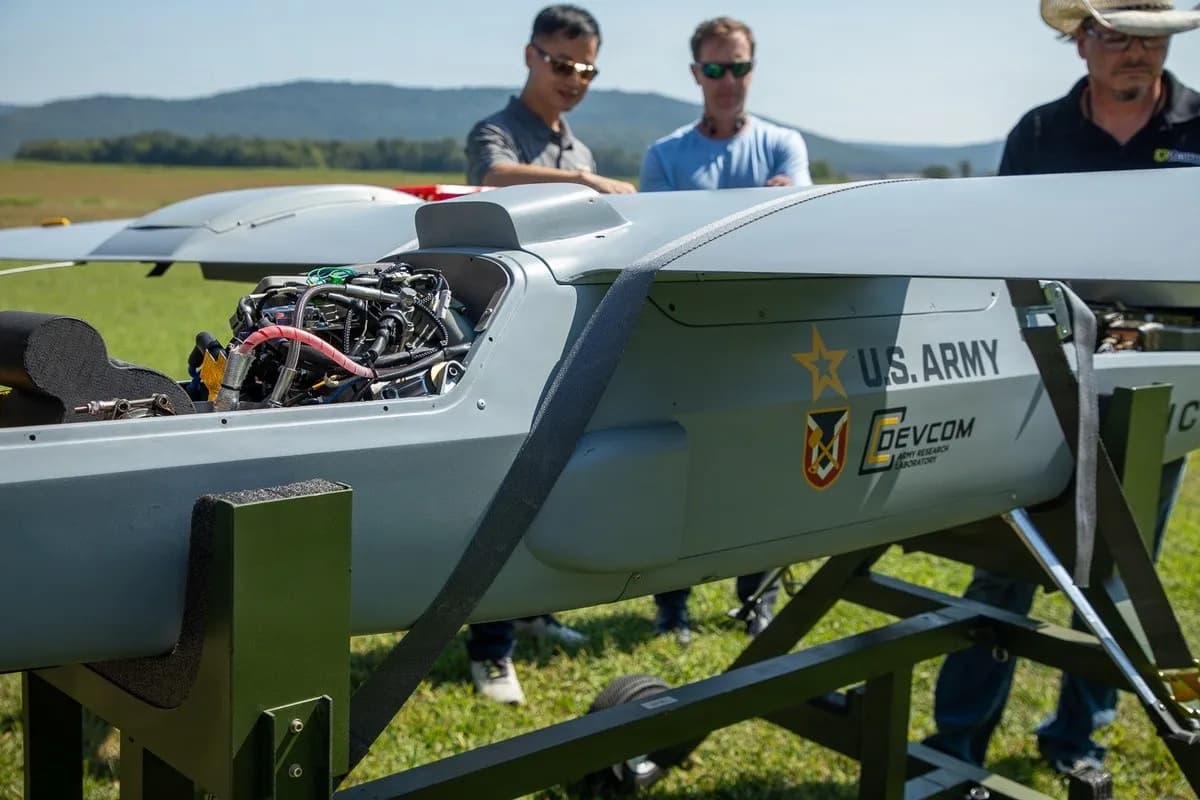
The U.S. Army has successfully flight-tested a 3D printed heavy-fuel rotary engine on its VICTOR drone, developed to address fuel compatibility issues. This innovative engine design aims to enhance the capabilities of mid-sized unmanned aircraft in challenging environments.
Overview of the Flight Test
The U.S. Army Combat Capabilities Development Command Army Research Laboratory (DEVCOM ARL) has conducted a flight demonstration of a 3D printed, air-cooled heavy-fuel rotary engine on its VICTOR drone. This engine is part of a series hybrid developed under the Versatile Tactical Power and Propulsion research program and is designed for vertical takeoff and landing in contested environments.
Development and Collaboration
The VICTOR, which stands for Versatile Intelligence Controlled Tactical Operational Reconnaissance and Attack, is a midsized unmanned aircraft system created in collaboration with industry partners like Griffon Aerospace. The successful flight took place near Huntsville, Alabama, showcasing the integration of advanced manufacturing into military aviation.
Advantages of the Engine Design
Rotary engines are favored for their compactness and power density, but heavy fuel poses challenges in atomization and vaporization. To address these, ARL utilized advanced computational fluid dynamics and a clean-sheet design to enhance performance and minimize leaks. Dr. Chol-Bum “Mike” Kweon, ARL program manager, highlighted that 3D metal printing was crucial for rapid redesigns based on testing feedback, leading to a lighter and more efficient engine without liquid coolant requirements.
Broader Impact and Future Applications
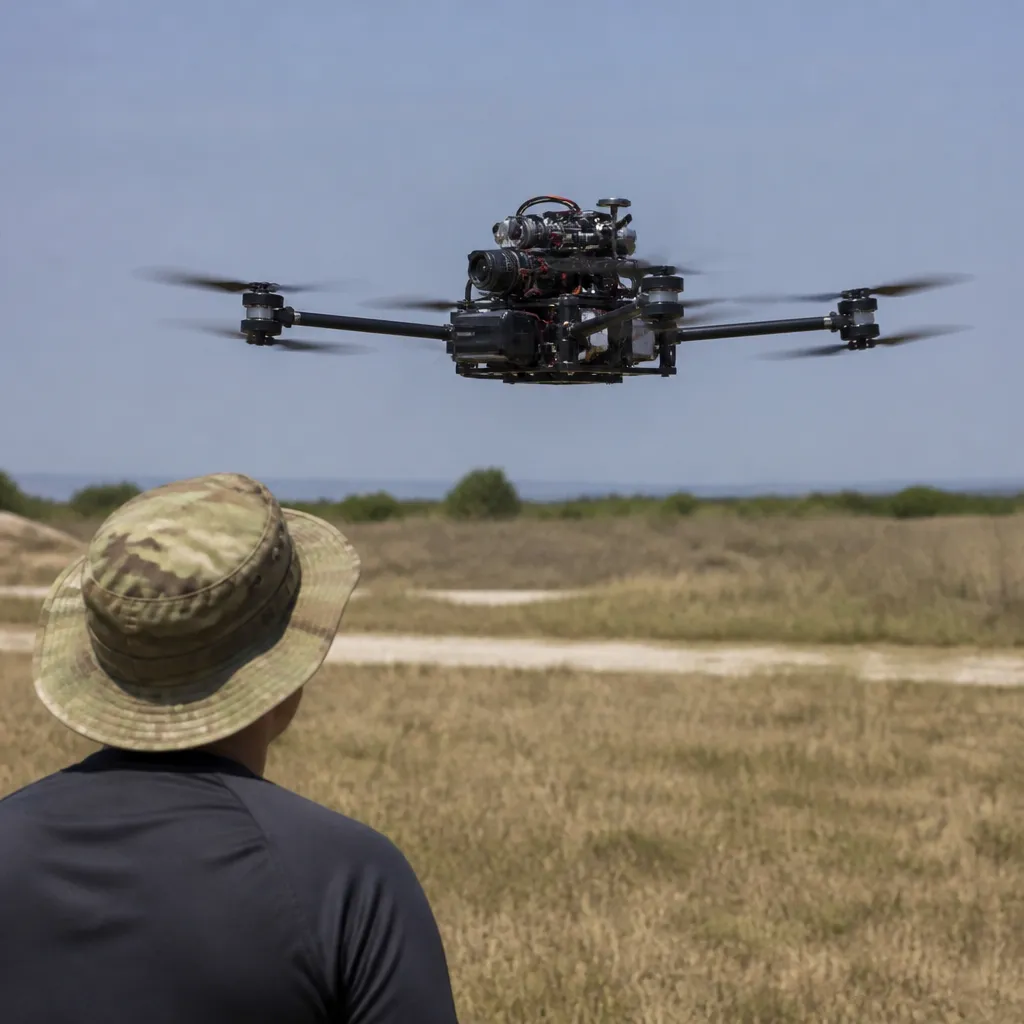
The project has involved over 30 universities and 20 industry partners, resulting in numerous patents. The insights gained will be applied to future systems, such as the PULSAR concept, which aims to utilize multiple VICTOR drones for diverse missions. Both VICTOR and PULSAR are set to be available for further military experimentation and industry refinement.