
Army Develops First 3D-Printed Heavy-Fuel Engine for Drones
Written with artificial intelligence.
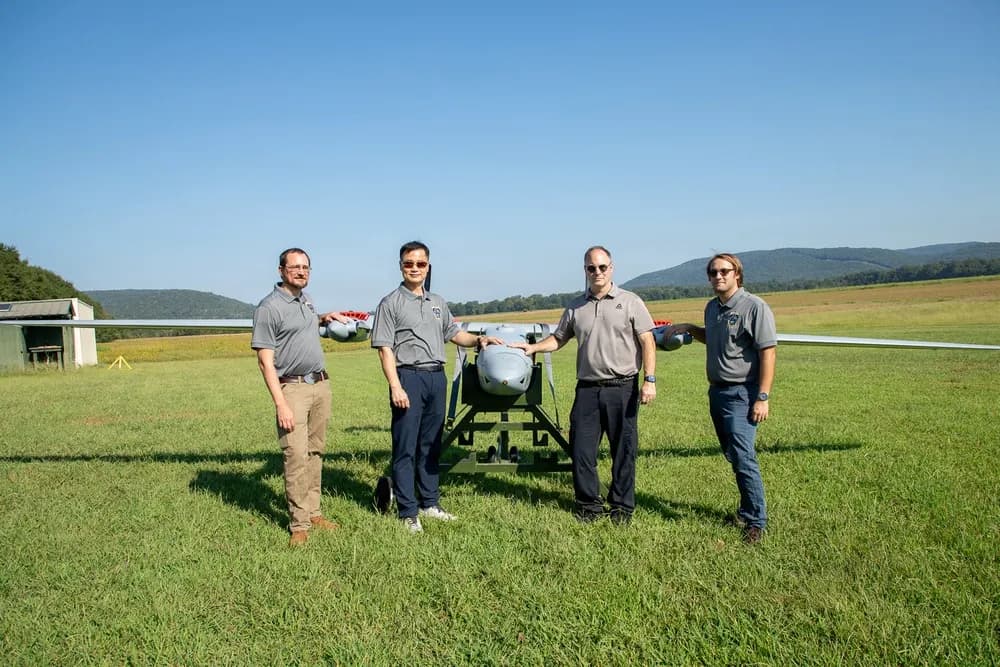
The U.S. Army has successfully demonstrated a 3D-printed heavy-fuel rotary-engine system aimed at enhancing drone capabilities. This innovation, developed by researchers at DEVCOM Army Research Laboratory, promises to improve the performance of tactical unmanned aircraft.
Significant Breakthrough in Drone Propulsion
Years of research by the U.S. Army have culminated in the successful flight demonstration of a 3D-printed heavy-fuel rotary-engine series-hybrid system. This advancement represents a notable leap in power and propulsion science, specifically for tactical unmanned aircraft systems.
The project was spearheaded by the U.S. Army Combat Capabilities Development Command (DEVCOM) Army Research Laboratory, under its Versatile Tactical Power and Propulsion essential research program. According to Dr. Chol-Bum “Mike” Kweon, program manager at DEVCOM ARL, the efforts aim to tackle critical challenges in power and propulsion, enabling drones to operate under extreme conditions while reducing logistical burdens.
Advanced Manufacturing Techniques
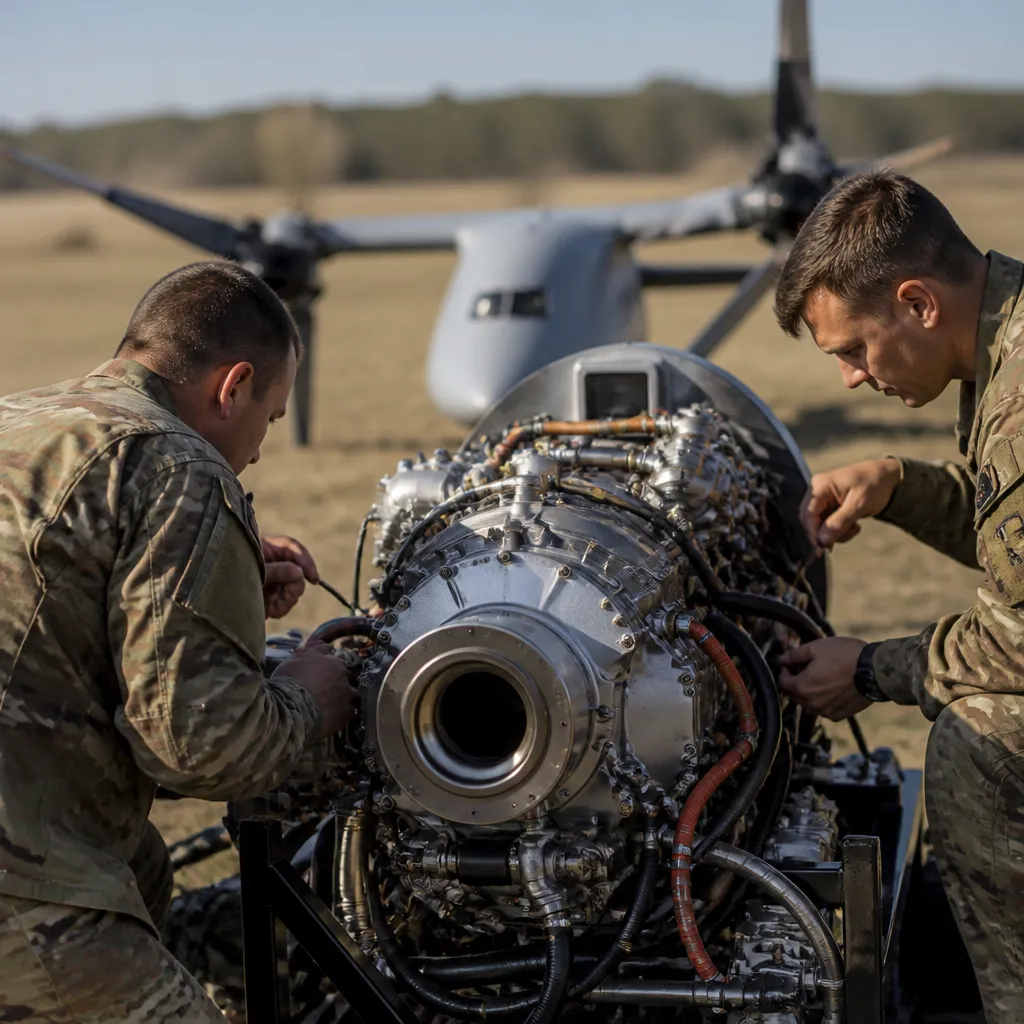
Researchers utilized advanced computational fluid dynamics and a clean-sheet design approach to enhance the efficiency of burning heavy fuel in rotary engines. Improvements included better fuel atomization and reduced leaks, facilitated by 3D metal printing, which allowed for rapid redesigns of engine components.
The resulting air-cooled engine eliminates the need for liquid coolant and is integrated with a 400-volt motor-generator system, designed to support vertical takeoff and landing operations.
Collaboration with Industry Partners
To showcase the propulsion system, the Army collaborated with industry partners like Griffon Aerospace to develop the VICTOR unmanned aircraft system, which is powered by this innovative engine. The VICTOR UAS is expected to enhance military operations by allowing mid-sized drones to operate beyond visual line of sight, thereby extending the reach of ground commanders.
This initiative also lays the groundwork for future projects, including the Persistent Unmanned Aircraft System for Logistics, Strike, Autonomy, and Reconnaissance (PULSAR), which aims to enable multi-mission capabilities through a swarm of VICTOR drones. Both VICTOR UAS and the PULSAR concept are set to be made available for further military experimentation and development.
For more information, visit the Army Research Laboratory website.