
UC Berkeley Unveils OpenCAL 3D Printing Technology for Public Use
Written with artificial intelligence.
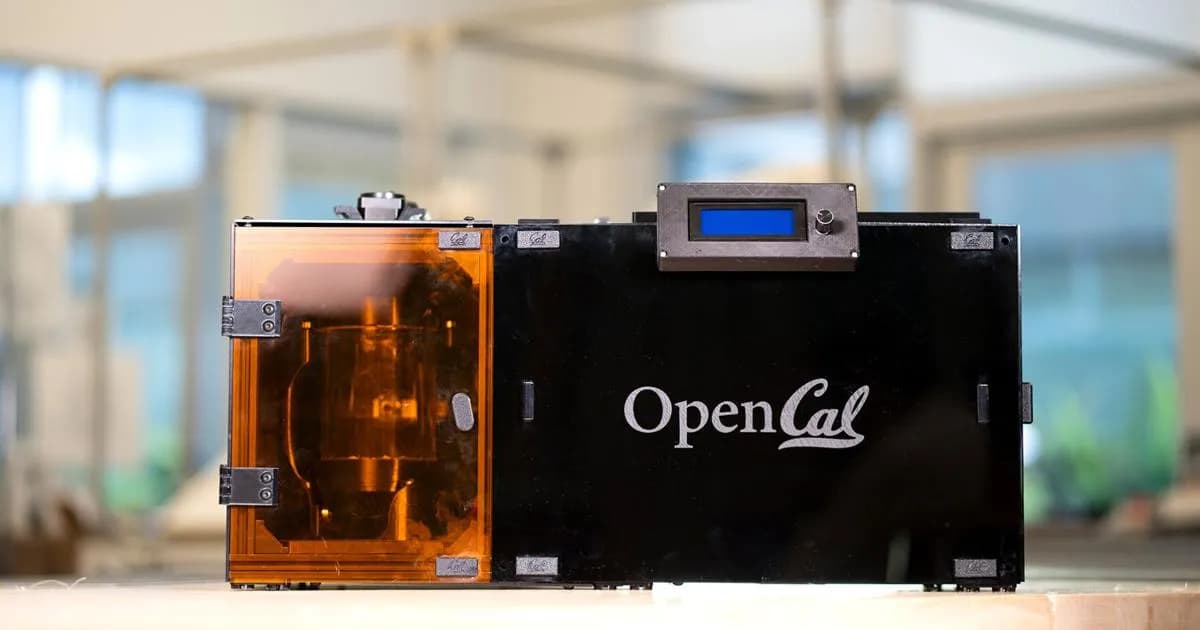
Researchers at UC Berkeley have made their rapid, light-powered 3D printing technology publicly accessible, nearly ten years after its inception. The OpenCAL printer utilizes computed axial lithography, allowing for faster print times and unique object creation.
Innovative 3D Printing Technology
UC Berkeley researchers are making strides in 3D printing by offering their OpenCAL technology to the public. Unlike traditional methods that build objects layer by layer, the OpenCAL printer employs computed axial lithography to create objects in a single step. This is achieved by projecting images from various angles through a rotating vial of resin, which solidifies into plastic.
Key Features and Benefits
The OpenCAL printer promises several advantages, including:
- Rapid Printing: Capable of producing objects much faster than conventional printers.
- Smoother Surfaces: Generates high-quality finishes on printed items.
- Overprinting Capability: Allows users to integrate existing solid objects into new prints, which is especially beneficial for electronics.
Professor Hayden Taylor, a co-inventor of the technology, notes its potential applications in bioprinting, where the printed object remains suspended in the precursor material, minimizing exposure to harmful forces during the printing process.
Accessibility and Community Engagement
To facilitate broader access to this technology, the research team has released a comprehensive build guide and necessary software for users to create their own printers. The estimated cost for materials is around $1,600, and many hobbyists have already begun assembling the device.
The open-source aspect of the project is particularly noteworthy, encouraging community feedback and improvements. Project lead Taylor Waddell expressed excitement about the potential innovations that could emerge from citizen scientists using this technology. The team has previously demonstrated their technology by creating miniature sculptures, fostering a collaborative environment where students of various academic levels contributed significantly to the project.