
Student Develops Affordable 3D-Printed Wheelchair for Children
Written with artificial intelligence.
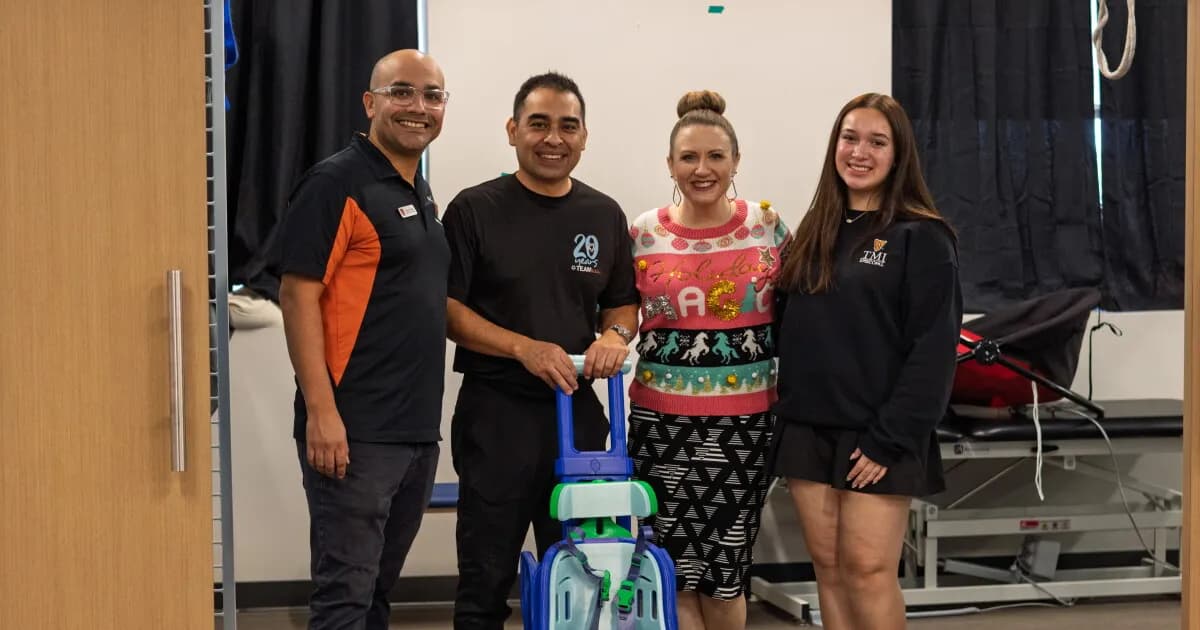
Gracie Martinez, a student at Texas Military Institute Episcopal, has created a Toddler Mobility Trainer using 3D printing technology. This innovative wheelchair aims to provide children with disabilities an accessible and affordable means to gain mobility before transitioning to larger wheelchairs.
Innovative Solution for Mobility
Gracie Martinez, a student at Texas Military Institute Episcopal (TMI), has made significant strides in adaptive equipment by designing a 3D-printed wheelchair specifically for children with disabilities. The Toddler Mobility Trainer (TMT) is intended to help younger kids learn how to operate a wheelchair before they need to transition to standard models.
Inspiration and Development
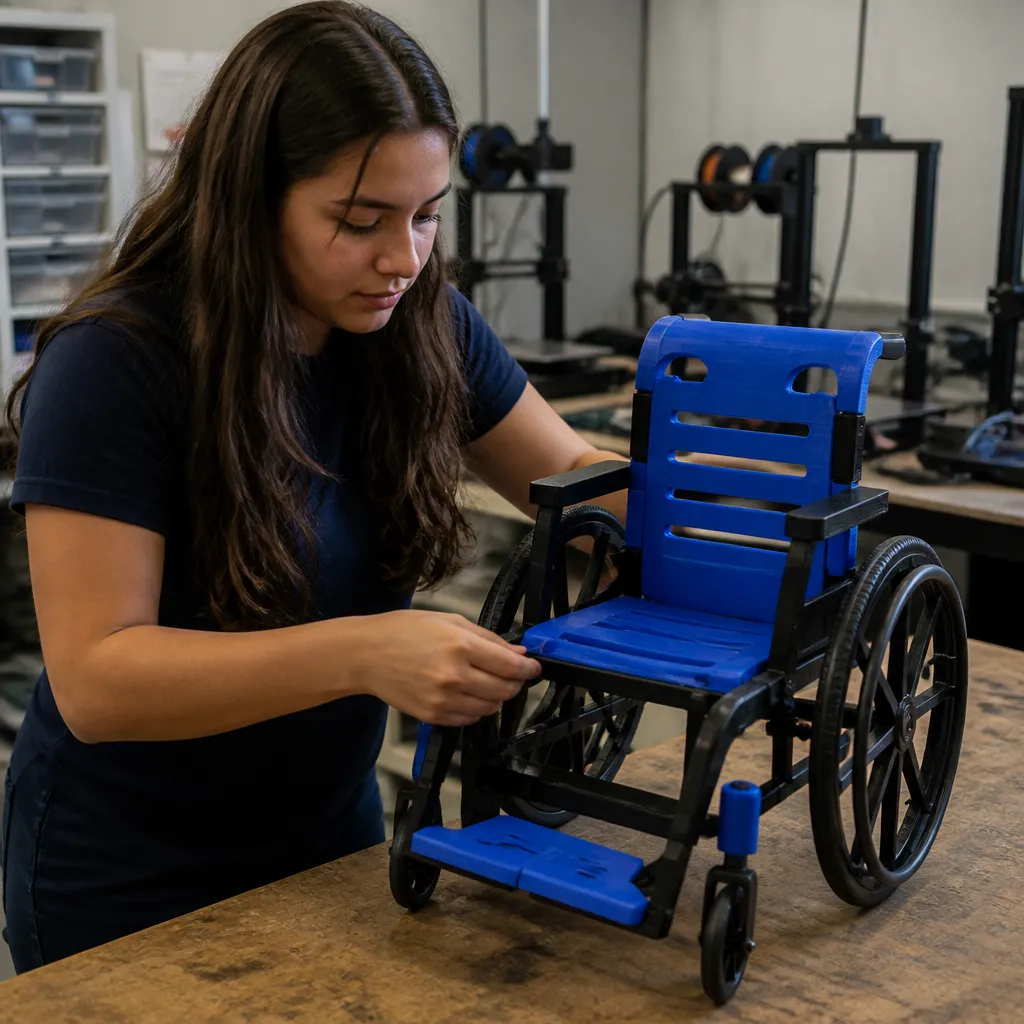
The idea for the TMT stemmed from Martinez's exposure to the nonprofit organization MakeGood, which customizes 3D-assistive devices. With the support of her teacher, Omar Valdez, she pursued the project and began printing the wheelchair components using 3D technology. Martinez printed a total of 18 individual pieces, which she described as a large puzzle, and donated the finished product to TEAMability, an organization that assists individuals with complex disabilities.
Customization and Community Impact
The wheelchair is not only functional but also customizable, allowing for various colors and designs. TEAMability's CEO, Brooke Kearney, highlighted the ease of assembly and the potential for creating additional adaptive devices. This project has sparked interest in further 3D printing applications within TEAMability, including fidget toys and other assistive devices tailored to their patients' needs.
Future Aspirations
Martinez aims to continue her studies in industrial engineering to further explore the intersection of 3D printing and real-world applications. She recognizes the ongoing challenges faced by individuals with disabilities and hopes to contribute to creating more accessible environments and tools. Her work is a testament to how affordable, innovative solutions can significantly improve the quality of life for children with disabilities.