
Prague Fire Department Implements 3D Printing for Equipment Needs
Written with artificial intelligence.
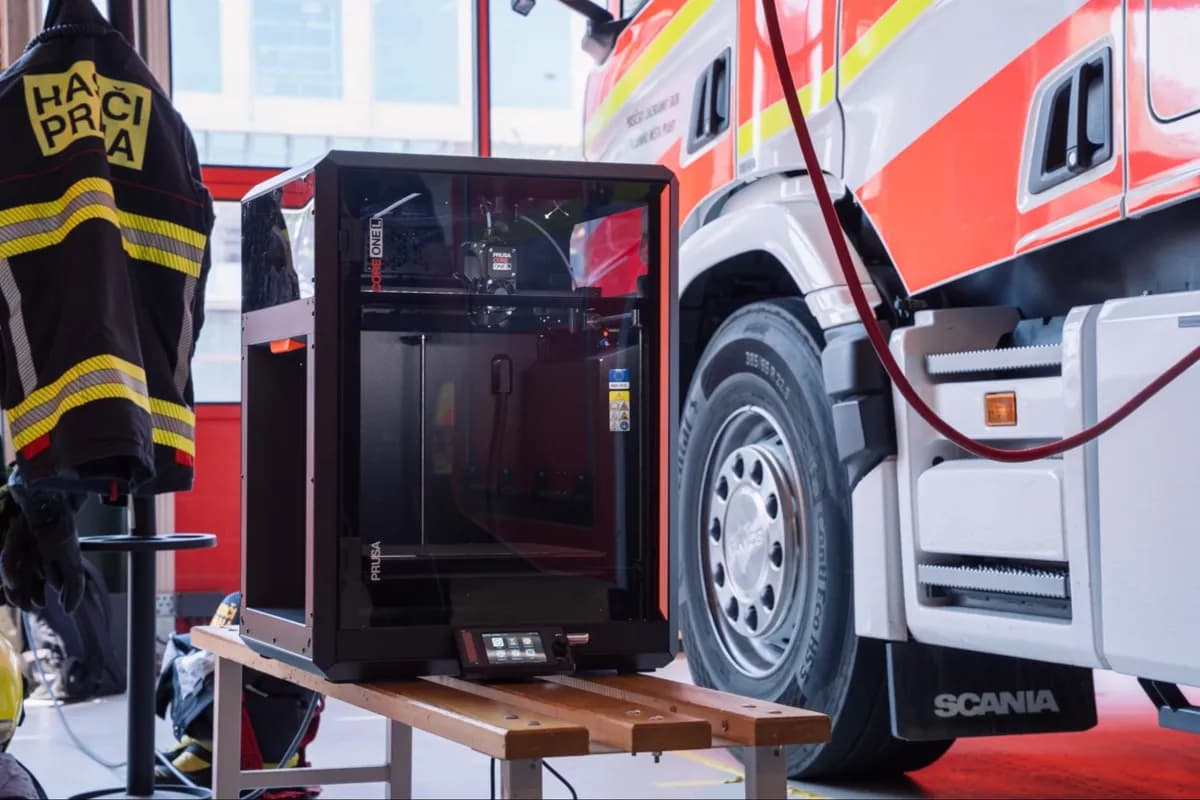
The Prague professional fire department has integrated 3D printing technology to produce brackets, tool holders, and spare parts on-site. This initiative, led by firefighter Lukáš, aims to enhance operational efficiency and reduce procurement delays.
Local 3D Printing Initiative
At the Prague professional fire department, a new approach to equipment maintenance and adaptation has been introduced through 3D printing. The department responds to approximately 2,500 emergency calls each year, and the use of a 3D printer allows for quicker modifications and replacements of small parts, minimizing waiting times associated with traditional procurement methods.
Pilot Project and Equipment
The initiative was spearheaded by firefighter Lukáš, who had experience with additive manufacturing before the project. The central fire station received a CORE One L printer for a pilot project after a visit to the manufacturer Prusa. A team of 67 firefighters, operating in three 24-hour shifts, has one trained printer operator per shift. The enclosed, temperature-controlled printer handles engineering plastics, ensuring that larger parts do not warp during production.
Cost Savings and Customization
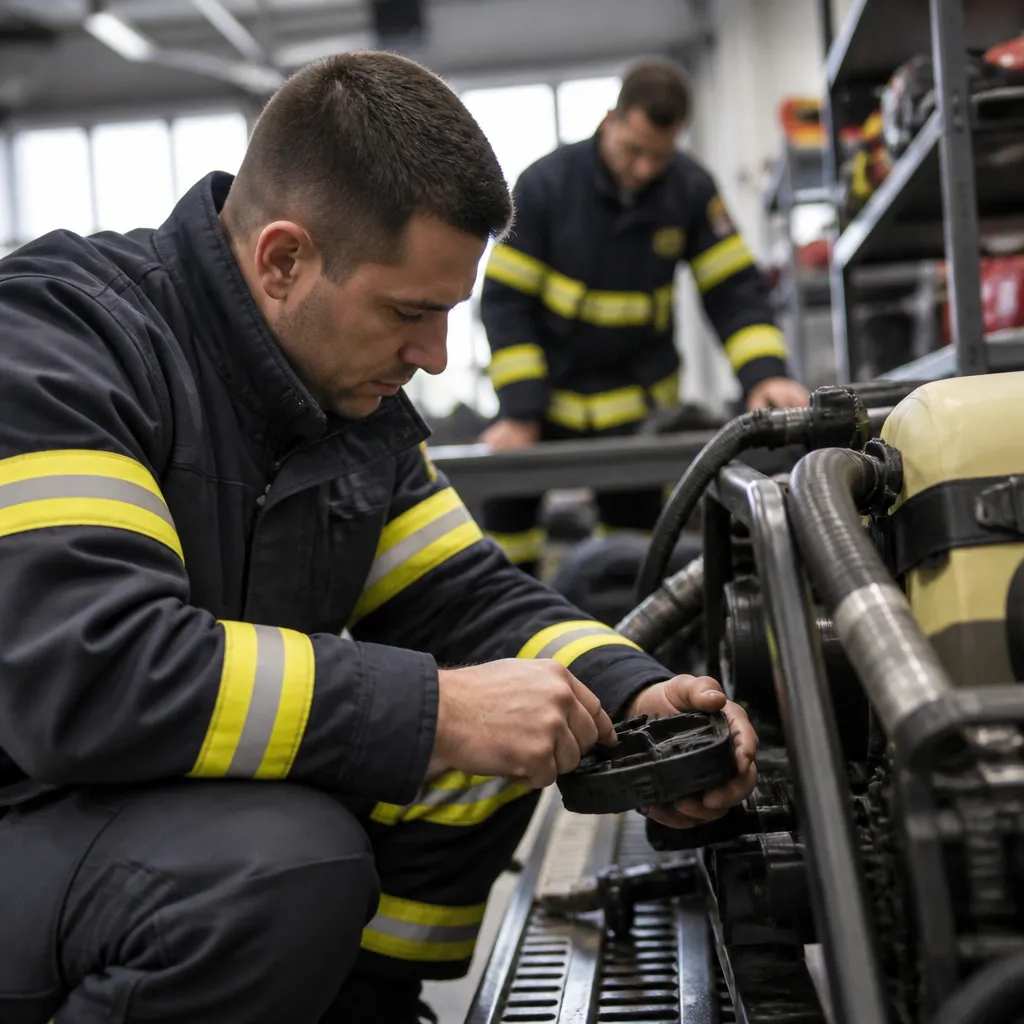
Components produced include non-slip door wedges, elevator keys, and tool mounts, all designed in bright orange for easy visibility. Before deployment, these parts undergo rigorous testing, including exposure to heat and flame. The cost savings on spare parts, such as helmet mounts, can reach 90 to 95 percent compared to original components. Additionally, sealing plugs for water rescue operations are also being manufactured to ensure the watertightness of dry suits.
Benefits Beyond Efficiency
The firefighters express that having a 3D printer on-site enhances their workflow and creativity. By designing and printing solutions immediately, they can effectively address their needs as they arise. The team values the independence gained from operating without an external cloud, using USB or local network connections to manage print files securely.
As the firefighters humorously note, the journey into 3D printing often begins with small projects, but it quickly evolves into an integral part of their operational capabilities. This collaboration among Czech fire departments, sharing digital models via the Printables platform, exemplifies how additive manufacturing can streamline processes and reduce costs for tailored equipment.