
MB Therapeutics Receives Approval for 3D Printed Drug Cartridges
Written with artificial intelligence.

MB Therapeutics has gained authorization from the French National Agency for the Safety of Medicines and Health Products (ANSM) to manufacture cartridges for 3D printed solid oral drugs. This innovation aims to provide personalized medication dosages, especially for vulnerable populations like children and the elderly.
Authorization Granted
The French National Agency for the Safety of Medicines and Health Products (ANSM) has approved MB Therapeutics, enabling the company to manufacture semi-solid intermediate products packaged in cartridges. These cartridges will facilitate the 3D printing of solid oral dosage forms.
Addressing Personalized Medicine
While MB Therapeutics claims to be the first to achieve this milestone, it’s important to note that CurifyLabs in Finland already supplies GMP-manufactured excipient bases that pharmacists mix with active ingredients. The standardized doses typically available do not cater to the specific needs of vulnerable populations, such as children and elderly patients. MB Therapeutics’ approach focuses on personalized medication, with the patented cartridge serving as the base product manufactured under Good Manufacturing Practices (GMP).
Production at Point of Care
The 3D printers employed by MB Therapeutics are designed for use in hospital pharmacies. They utilize these cartridges to produce customized oral forms tailored to the exact dosage required by each patient. This process emphasizes quality and traceability from cartridge production to the final printed medication.
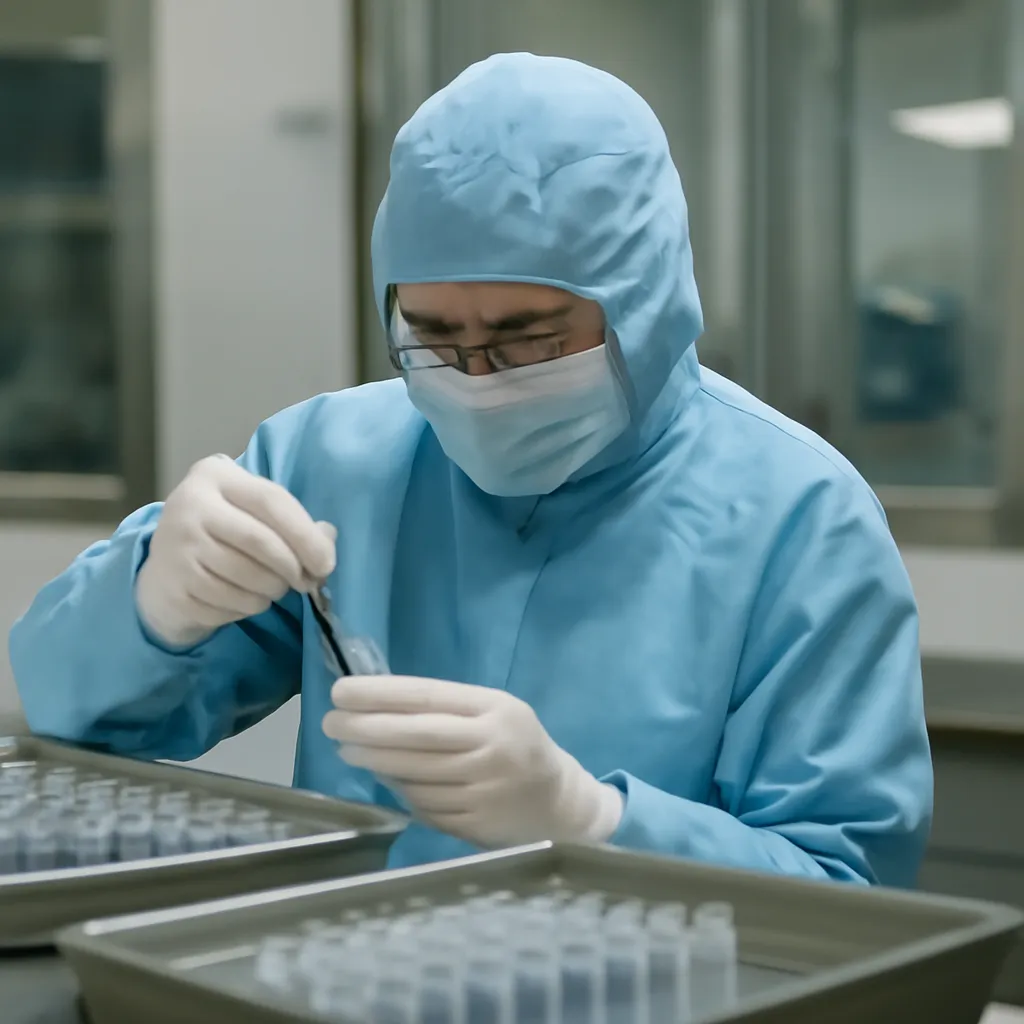
Dr. Manon Perez, the Quality Director at MB Therapeutics, emphasizes that 3D printing not only allows for precise dose adjustments and quick availability in pharmacies but also enables the creation of adapted dosage forms, such as personalized dispersible and orodispersible medications.
Market Access Challenges
While obtaining regulatory clearance is a significant achievement, MB Therapeutics faces additional challenges in accessing the market. As discussed in previous analyses, the technology often outpaces the existing reimbursement systems in Europe, creating barriers to widespread adoption.