
Hyperion Systems Completes Initial Sea Trial of 3D-Printed USV
Written with artificial intelligence.
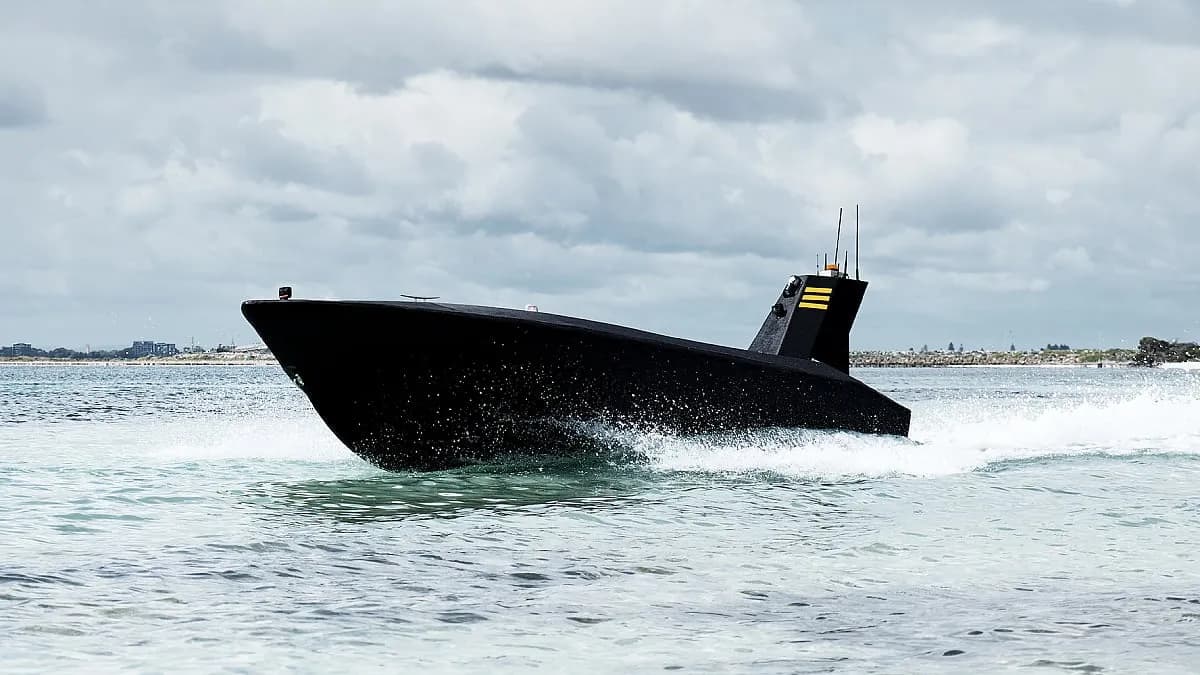
Hyperion Systems has finished the first sea trial of its 3D-printed unmanned surface vehicle (USV), achieving a top speed of 40 knots. Future tests will evaluate its cruising speed, payload capacity, and operational range.
Overview of the Sea Trial
Western Australian company Hyperion Systems has conducted the initial sea trial of its 3D-printed unmanned surface vehicle (USV). The vehicle reached a top speed of 40 knots during the remotely operated tests, which integrated the printed hull with its marine systems.
Future Testing Plans
Further trials are planned to determine the USV's expected cruising speed, which is estimated to be between 20 and 30 knots. These tests will also assess its payload capacity, which exceeds 200 kg, and its operational range of up to 200 kilometres.
Technical Specifications
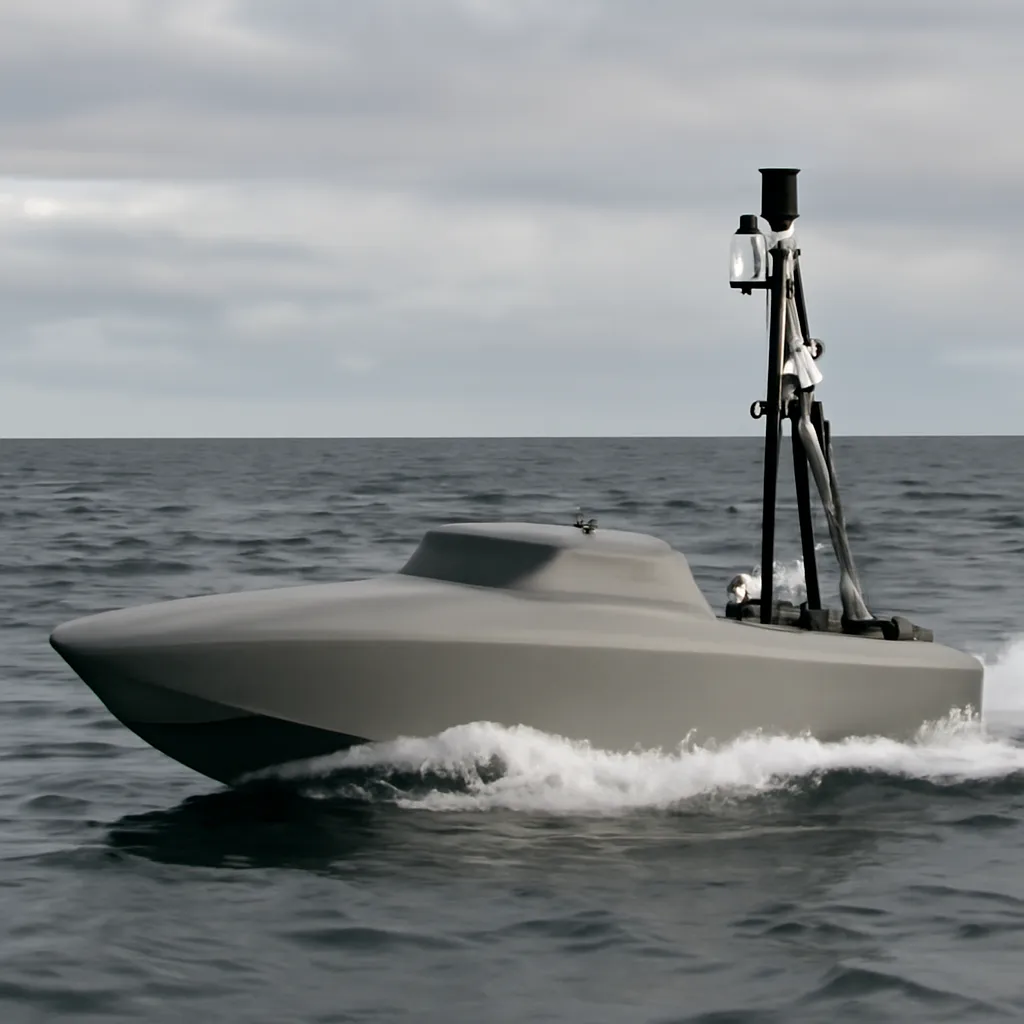
The USV measures 4.6 meters in length, 1.67 meters in beam, and has a shallow draught of 0.3 meters. Its hull, constructed from high-density polyethylene through large format additive manufacturing, takes approximately 40 hours to produce, significantly quicker than traditional boatbuilding methods that typically require four to six weeks. The design accommodates either an internal waterjet or an outboard engine, enhancing its versatility for various missions.
Design Purpose
This vessel is intended for multi-mission capabilities, including the covert movement of small teams and operations across diverse sea states. The concept of the USV was publicly unveiled in May of this year.