
ESA 3D-Prints Tiny Thrusters in Space
Written with artificial intelligence.
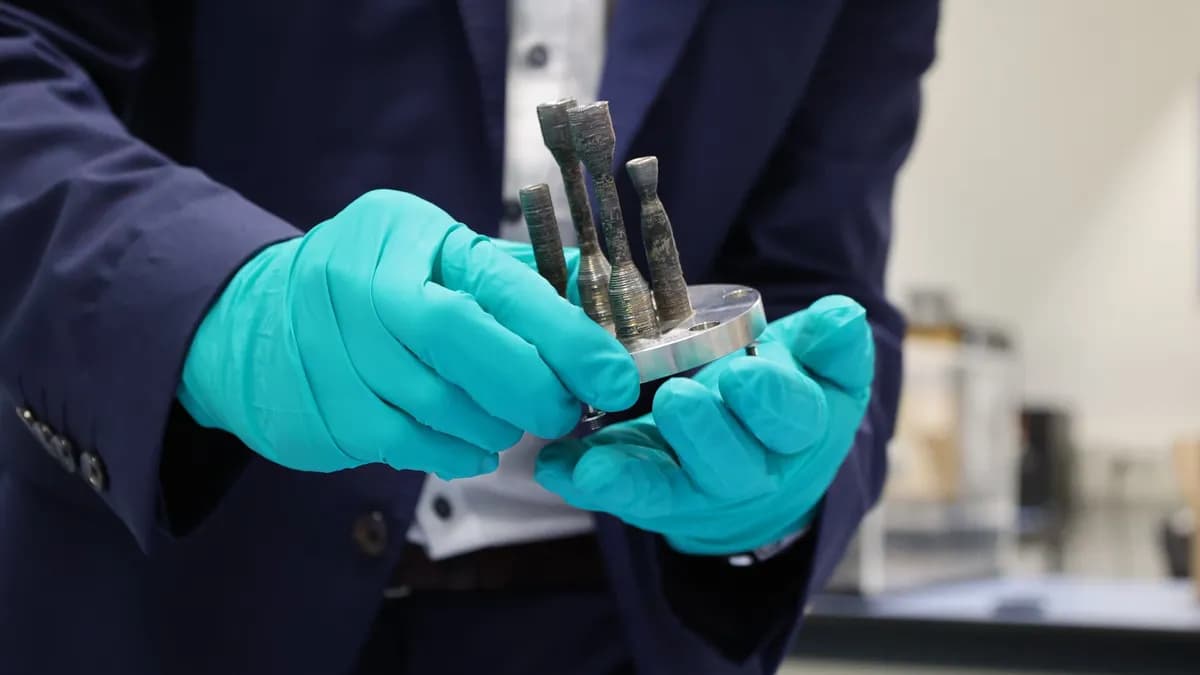
The European Space Agency (ESA) has successfully 3D-printed tiny thrusters aboard the International Space Station (ISS). This milestone marks the first time such components have been created in microgravity, paving the way for advancements in space manufacturing.
ESA's Space Manufacturing Milestone
The European Space Agency (ESA) has achieved a significant milestone in space technology by 3D-printing tiny thrusters on the International Space Station (ISS). This event marks the first instance of thrusters being manufactured in space, with the fifth metal sample created using ESA's Metal 3D Printer located in the Columbus module.
Details of the 3D Printing Process
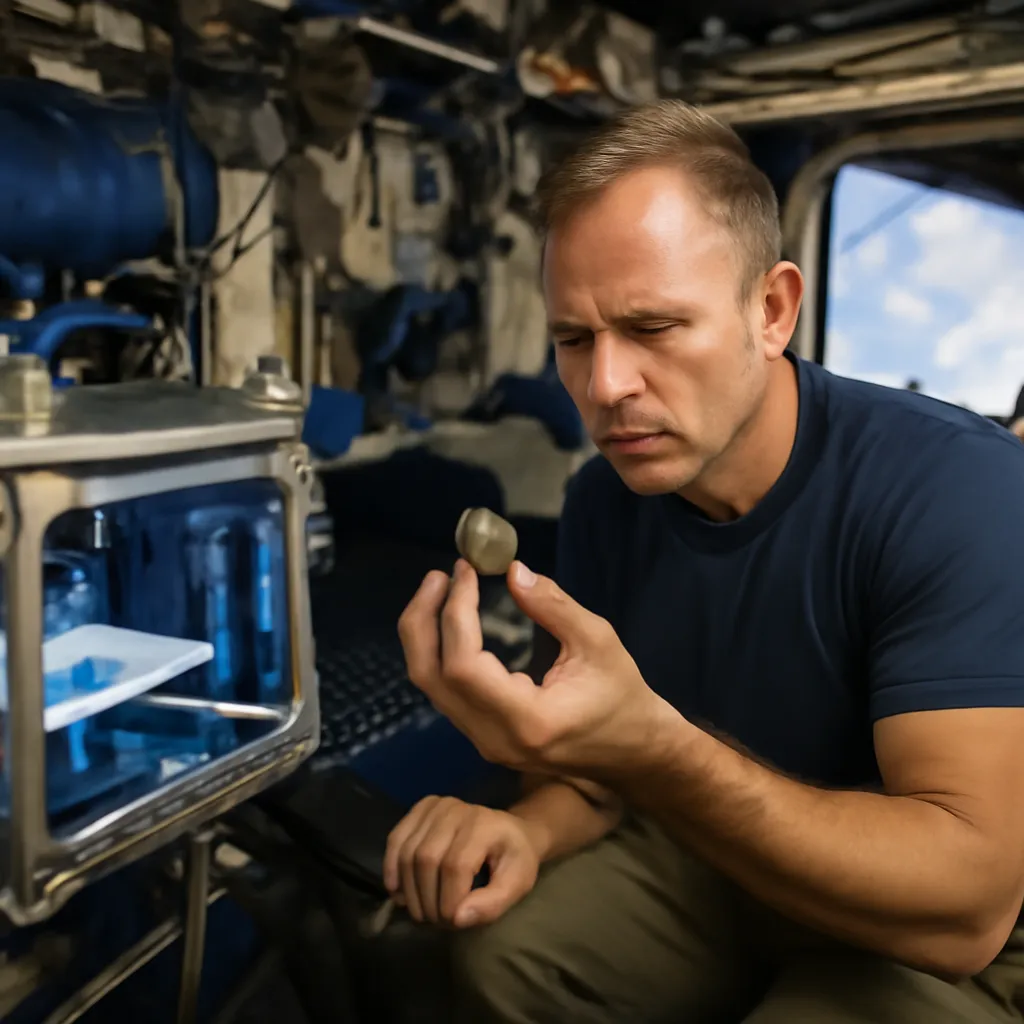
ESA astronaut Sophie Adenot retrieved the thrusters in July 2024, shortly after the printer was launched to the ISS in January. The first complete metal part produced in space was analyzed by ESA’s material scientists at ESTEC in the Netherlands to study the effects of microgravity on the printing process. This analysis led to improvements in the printing procedure for the thrusters.
Testing and Future Implications
The thruster designs, developed by the German Aerospace Center (DLR), include two versions: one closely resembling the desired shape and another with thicker walls for post-processing. These components will undergo hot-fire tests at DLR's vacuum test facility in Lampoldshausen, Germany. The aim is to evaluate their functionality and performance under conditions similar to those in space.
Sonja Steinbach, DLR’s project manager, emphasizes the importance of comparing these space-manufactured thrusters with Earth-made counterparts to understand how microgravity impacts manufacturing and component performance. The findings are expected to enhance metal 3D printing techniques for future in-space manufacturing initiatives.