
BMW Group's Additive Manufacturing Strategy Under New Leadership
Written with artificial intelligence.
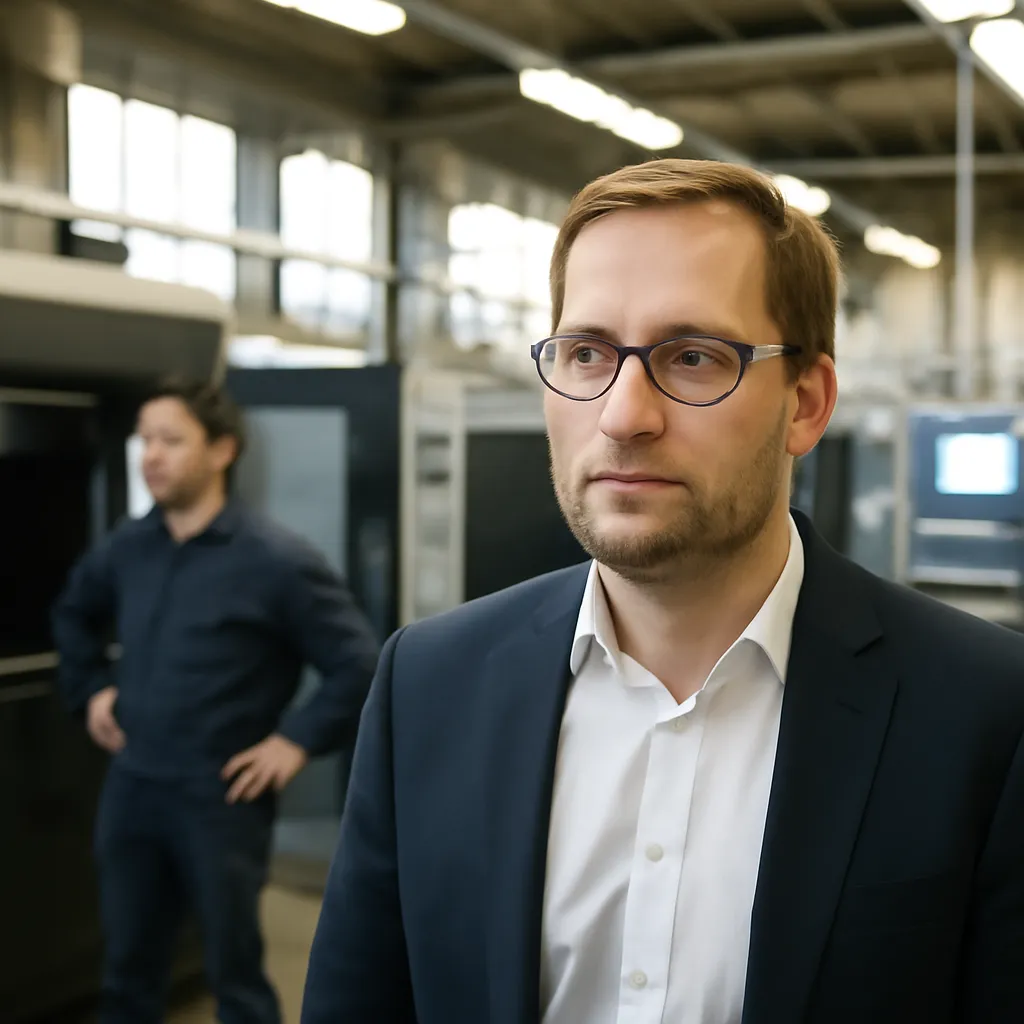
Timo Goebel has taken over as Head of BMW Additive Manufacturing, succeeding Jens Ertel. In a recent discussion, Goebel highlighted the importance of accountability and scalability in additive manufacturing, emphasizing its integration into BMW's production system.
Leadership Transition
In January 2025, Timo Goebel succeeded Jens Ertel as the Head of BMW Additive Manufacturing. This leadership change marks a significant moment for the company as Goebel plans to assess and innovate within the department.
Shifting Perspectives on Additive Manufacturing
Goebel brings a fresh perspective to the role, challenging the notion that additive manufacturing (AM) is merely a prototyping technology. He emphasizes a value-driven mindset, where applications must demonstrate speed, flexibility, and cost-effectiveness. Goebel defines "industrial maturity" in AM as its full integration into production systems, requiring a shift from experimentation to measurable accountability.
Current Operations and Production Capacity
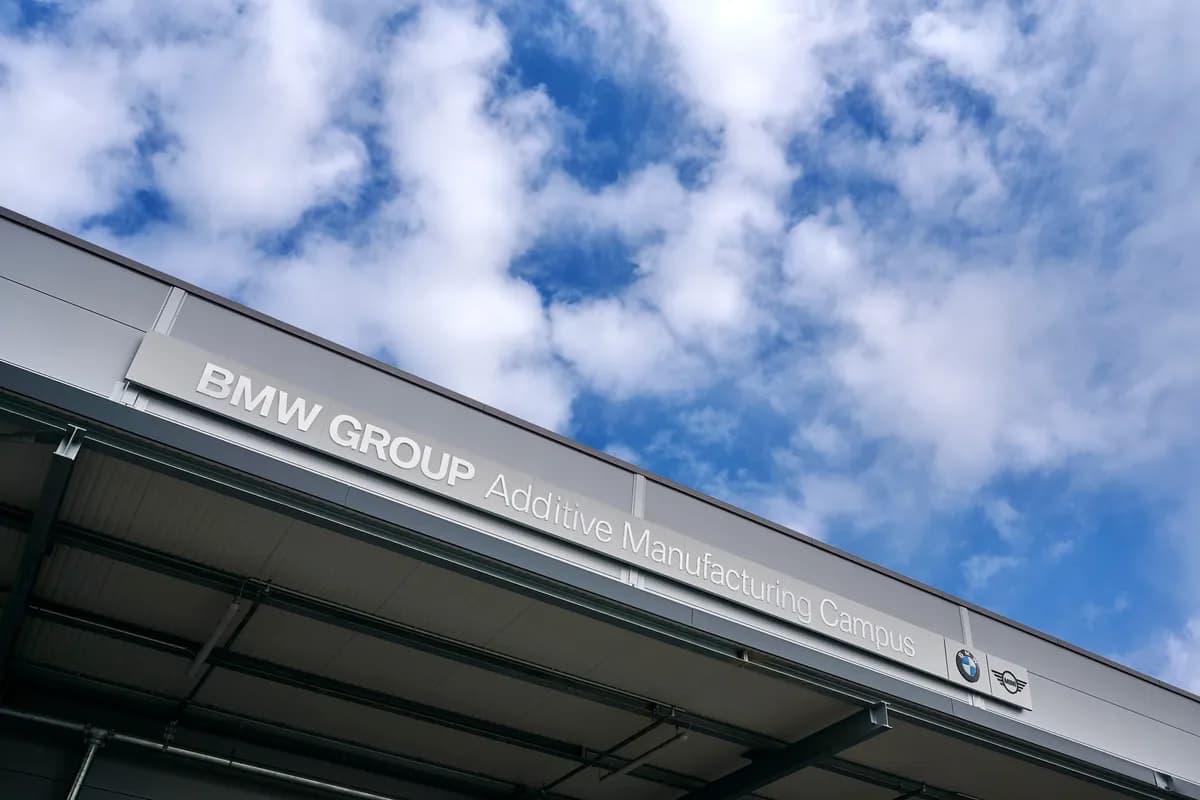
BMW Group's AM operations have produced 300 tons of components annually at its AM Campus. The strategy varies across vehicle segments, focusing on scalability and cost efficiency in high-volume models like MINI, while emphasizing individualization in luxury brands like Rolls-Royce. Goebel notes that AM plays a role in maintaining the availability of long-tail spare parts, though it is not the primary focus for BMW.
Openness and Vendor Collaboration
Goebel advocates for an open-systems approach in AM technologies. He acknowledges that most available systems are closed and proprietary, which can create challenges in partnerships. BMW aims to foster an ecosystem that evolves towards openness, with clear specifications for new machines requiring open-system capabilities. The evaluation of AM technologies is based on four dimensions: relevance, industrial validation, economic qualification, and system integration.
Future Directions
Despite concerns about a slowing business case for automotive AM, Goebel remains optimistic about its growth. He highlights ongoing investments in automation and efficiency improvements, which are expected to enhance the competitiveness of AM relative to traditional manufacturing methods. Additionally, BMW is exploring non-automotive applications, leveraging insights gained from these projects to strengthen its automotive AM capabilities.