
Advancements in 3D-Printed Tungsten Tiles for Fusion Reactors
Written with artificial intelligence.
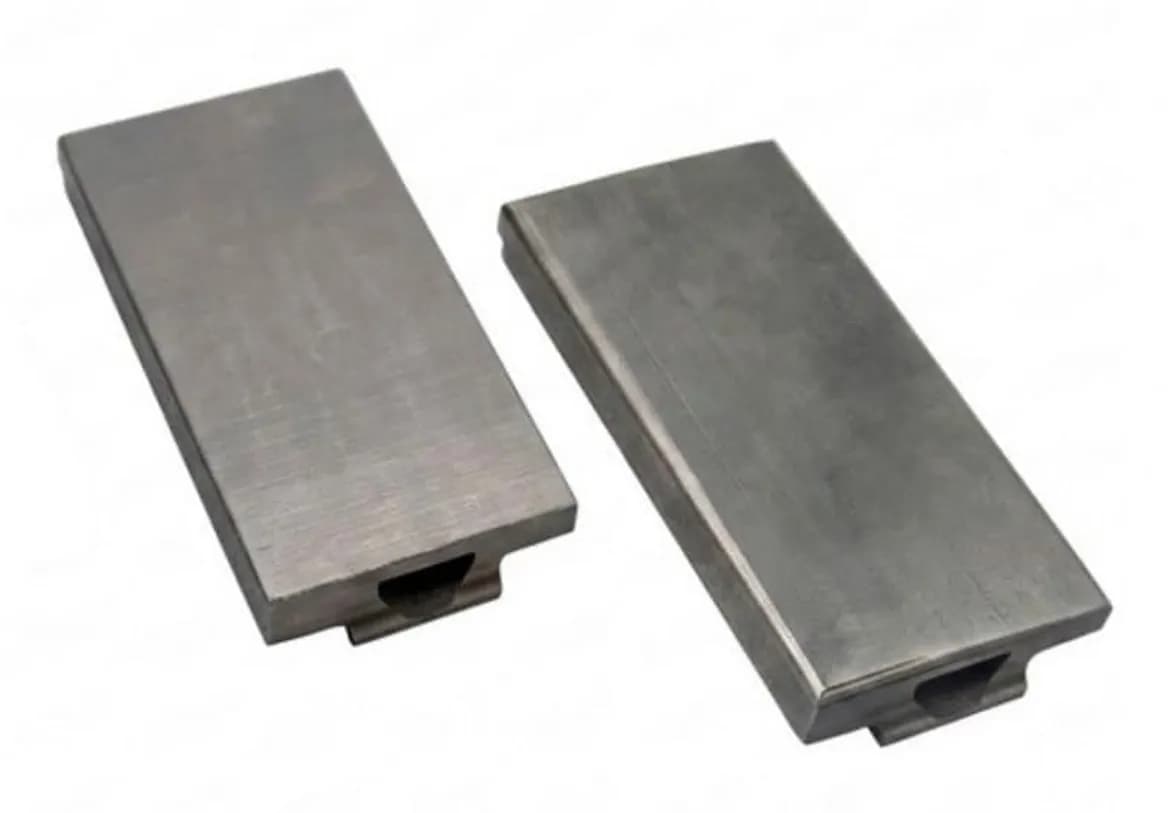
A research team has successfully tested 3D-printed tungsten tiles in plasma conditions at the DIII-D tokamak in the United States. This innovation aims to enhance the manufacturing of fusion reactor components, addressing the challenges of using tungsten due to its complex shaping requirements.
Innovative Testing of Tungsten Components
Additive manufacturing is making significant strides in the production of tungsten components for fusion reactors. A collaborative research effort involving North Carolina State University (NC State), Oak Ridge National Laboratory (ORNL), and JEOL has led to the successful installation and testing of 3D-printed tungsten tiles within the DIII-D tokamak, a prominent research facility in the United States.
The Role of Tungsten in Fusion Reactors
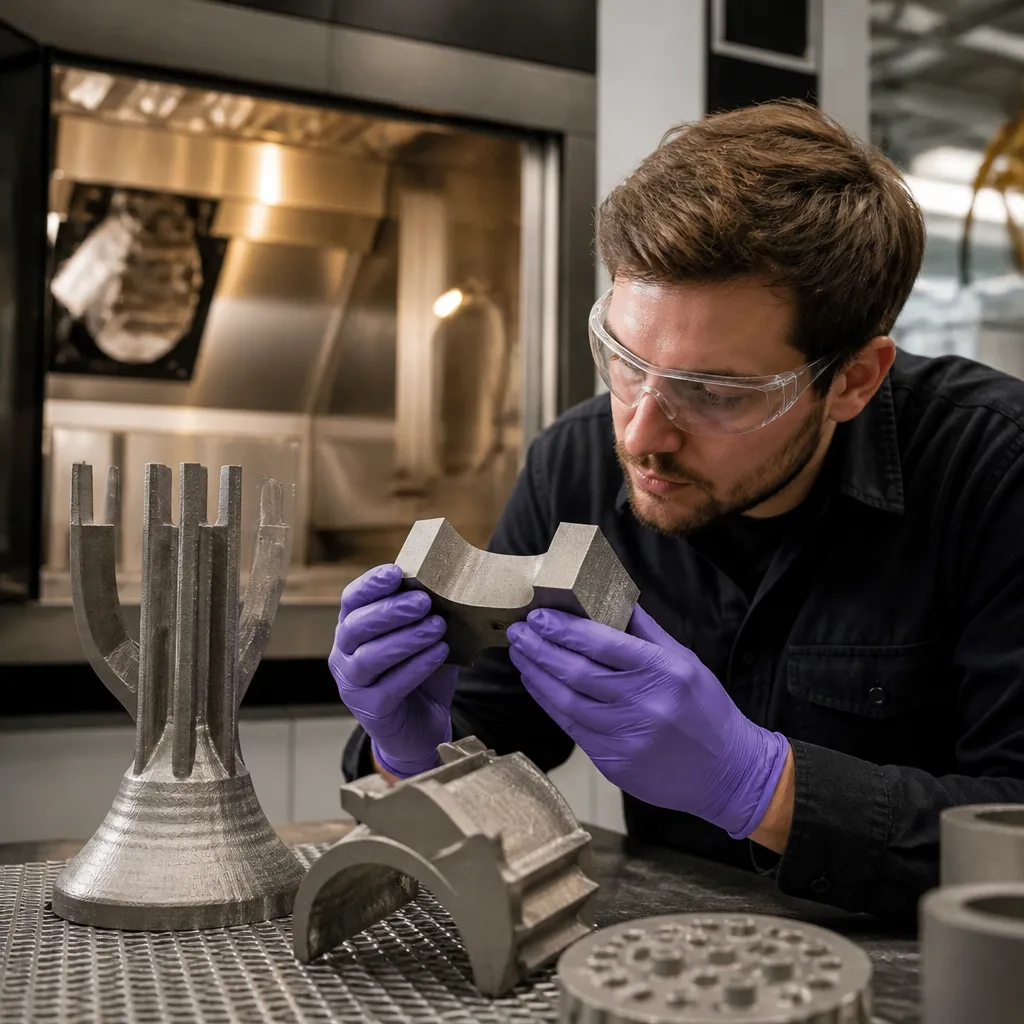
Tungsten is a preferred material for plasma-facing components in fusion reactors, primarily due to its high melting point and ability to handle extreme heat. Despite its advantages, manufacturing tungsten into intricate shapes remains challenging with traditional methods. To overcome these hurdles, researchers developed an electron-beam powder bed fusion (EB-PBF) technique, allowing them to melt tungsten powder layer by layer in a controlled vacuum environment.
Scaling Up Production
The project expanded upon earlier successful tests of smaller tungsten samples, which had withstood high heat fluxes. The new full-sized tiles measured approximately 140 × 130 millimeters, a significant increase from previous samples. The collaboration with JEOL, which provided the large-format JAM-5200EBM system, enabled the production of various tile designs that met stringent specifications. Final shaping and finishing were performed by NC State researchers to ensure high-quality surfaces.
Future Prospects
In July 2026, the tungsten tiles were installed in the DIII-D’s lower divertor as part of the Tile Testing Campaign. They underwent extensive testing through multiple plasma discharges, and the next steps involve detailed imaging and analysis of the tiles to evaluate their condition post-exposure. This breakthrough in additive manufacturing of tungsten could pave the way for more efficient production of components in fusion reactors, as noted by researchers like Michael Kirka and Tim Horn.