
3D-Printed Tungsten Tiles Survive Intense Testing in Fusion Machine
Written with artificial intelligence.
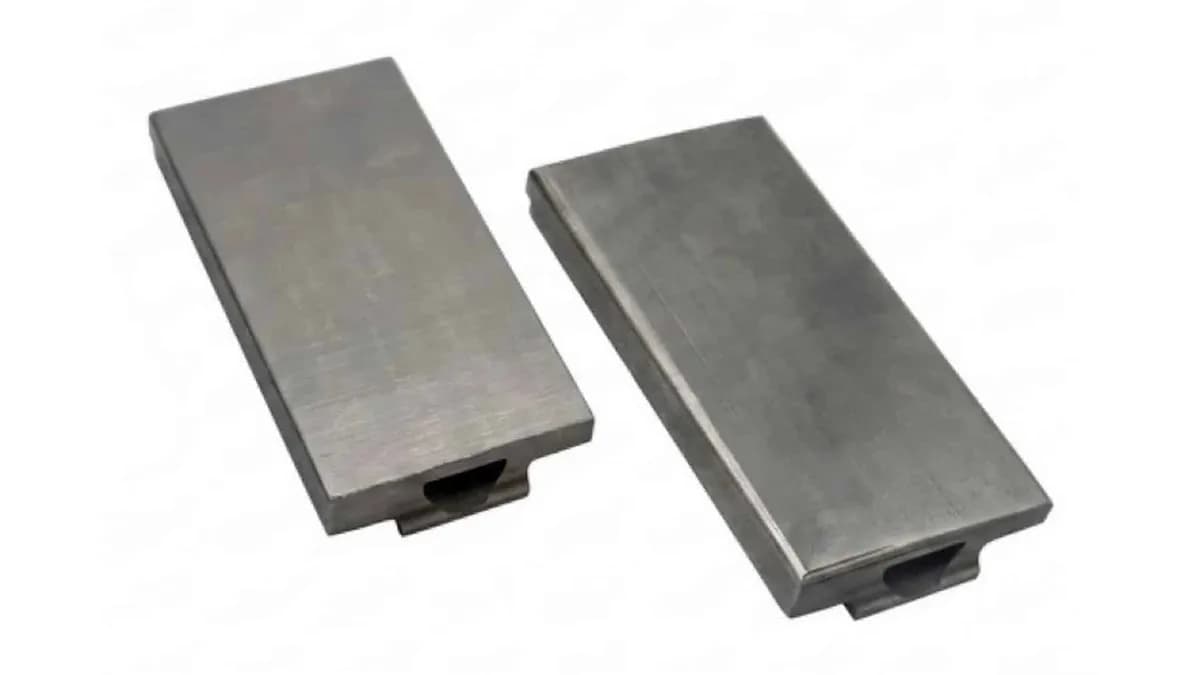
Two 5½-inch tungsten tiles, 3D-printed using an electron beam method, endured 74 plasma shots in the DIII-D fusion machine in San Diego. The tiles remained intact despite a neighboring tile melting and splattering molten metal onto one of them.
Overview of the 3D-Printed Tungsten Tiles
A collaboration between North Carolina State University and Oak Ridge National Laboratory has successfully tested 3D-printed tungsten tiles in a fusion machine located in San Diego. These tiles underwent 74 plasma shots, equivalent to about four minutes of exposure, and emerged undamaged, even after being splattered by molten metal from a misaligned neighboring tile.
The Printing Process
Tungsten is favored in fusion technology due to its high melting point of approximately 6,192°F but is notoriously difficult to shape. Conventional laser printing methods often leave tungsten parts porous and prone to cracking due to temperature fluctuations. The researchers utilized an electron beam powder bed fusion technique, maintaining temperatures above 2,552°F throughout the printing process to prevent brittleness, which is crucial for achieving a more durable final product.
Testing and Results
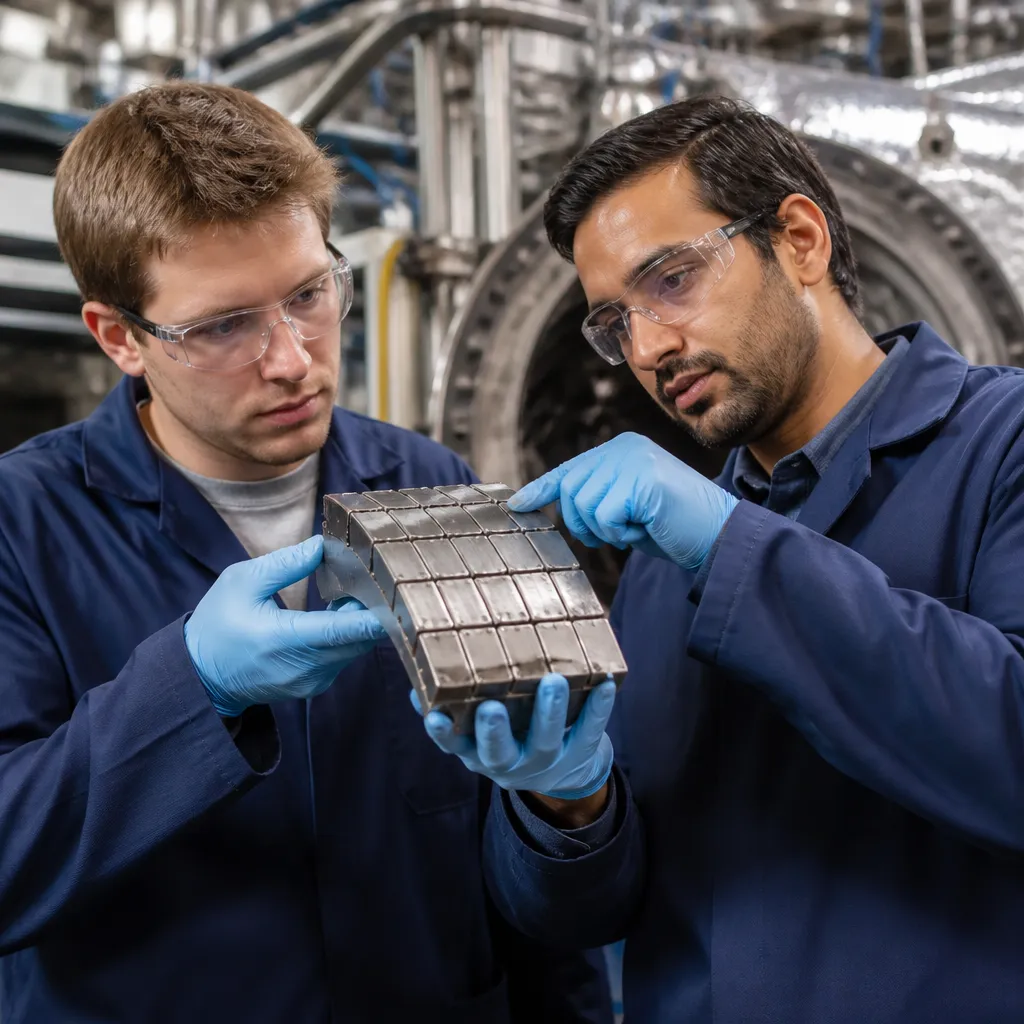
The printed tiles, measuring about 5.35 by 5.63 inches and weighing slightly less than a solid block of tungsten due to material cutaways, were installed in the lower divertor of the DIII-D tokamak. The testing involved exposure to high-confinement mode (H-mode) plasma, a setting expected to be utilized in future power plants. Remarkably, the tiles withstood the intense thermal environment, demonstrating their potential for future applications in fusion technology.
Future Considerations
While the initial results are promising, there are still unanswered questions regarding the heat load the tiles experienced during testing and their wear over time. The research team plans to conduct detailed imaging and surface scans of the tiles to further assess their performance. The success of these tiles could pave the way for advancements in fusion reactor designs, particularly for future energy production efforts.