3D Printing Revolutionizes Prosthetics for Amputees in Northwest Syria
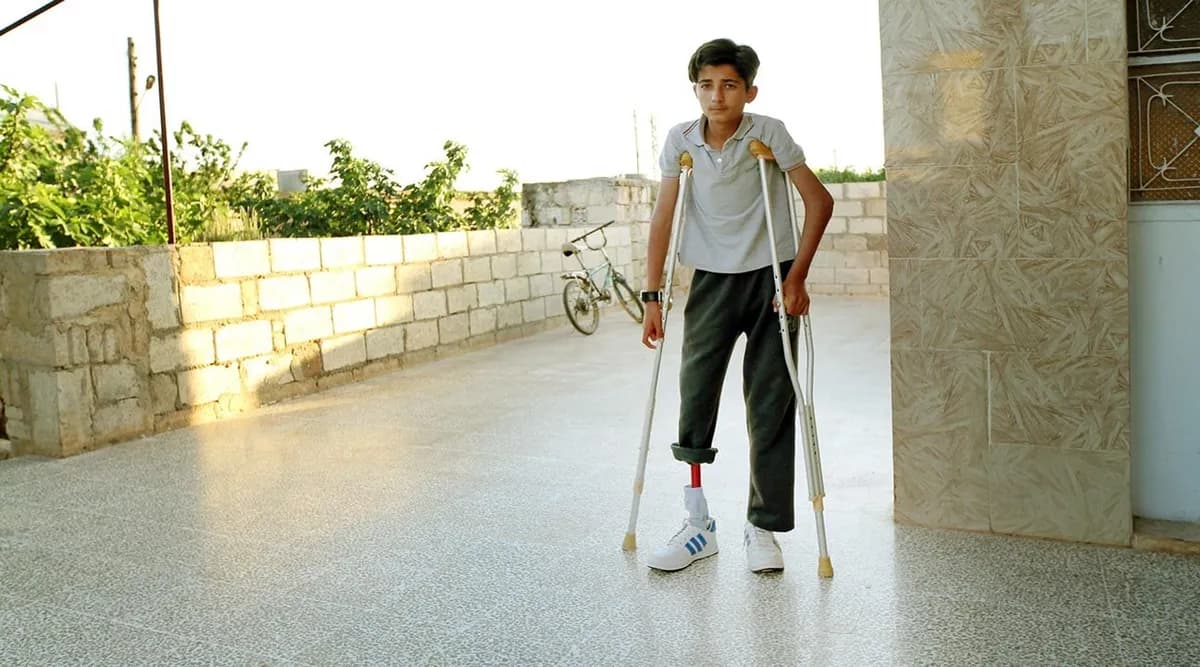
In northwest Syria, prosthetics centers are leveraging 3D printing technology to create custom limbs for amputees, addressing a significant shortage in prosthetic capacity amid ongoing conflict. Two centers in Idlib province are fully operational, serving 100 to 150 patients monthly, while additional centers are transitioning to this innovative approach.
Addressing a Growing Need
As the conflict in Syria has left nearly three million people injured since 2011, the need for prosthetic limbs has surged. Currently, there are around 86,000 amputees in the country, but the number of functional prosthetics centers is insufficient to meet this demand. Dr. Waddah Ghazi al Khatib, director of the Directorate of Physical Medicine and Rehabilitation at Syria's Ministry of Health, highlights the disparity between the need for prosthetic services and existing capacity, which is divided among public, private, and humanitarian-run facilities.
Modernizing the Prosthetics Workflow
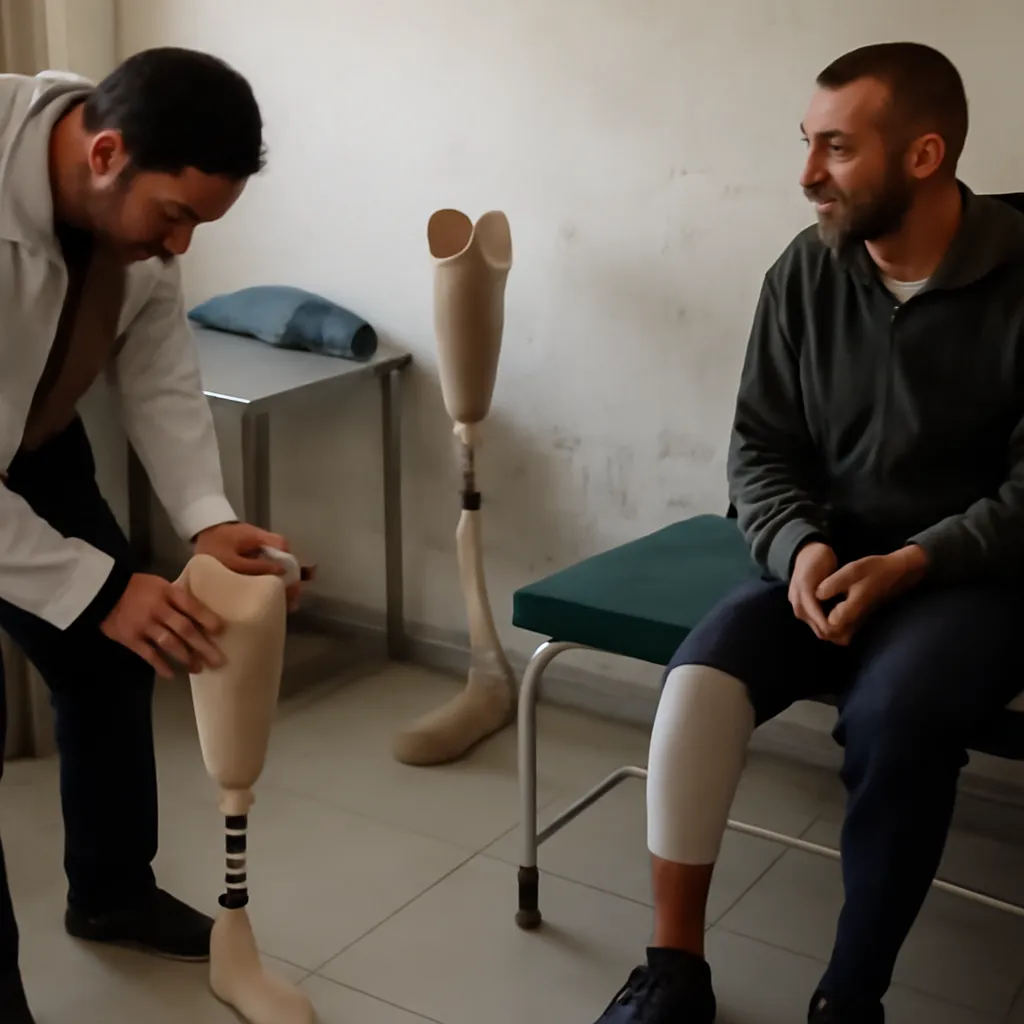
In response to this critical situation, two prosthetics centers in Idlib have transitioned to using 3D printing technology, allowing them to produce customized prostheses more efficiently. Alaa Sabri, an orthopedics technician, emphasizes that traditional methods cannot keep pace with the current demands. The new process begins with a digital scan of the amputee’s limb, enabling precise customization that significantly improves comfort and fit.
Significant Time and Cost Savings
3D printing has drastically reduced the production time for prosthetics from weeks to about a day. This advancement is particularly beneficial for children, who require frequent replacements as they grow. The cost of prosthetics has also decreased; for instance, the price for a child's prosthesis has dropped to $100, a significant reduction from the $500 typically charged for conventional options.
Challenges and Future Prospects
Despite the progress, the implementation of 3D printing in prosthetics is still in its early stages in Syria, with ongoing challenges regarding equipment shortages and the need for trained specialists. Muhammad al Ismail, a prosthetics technician, reflects on the humanitarian impact of their work, noting the importance of restoring hope for amputees.
The innovative approach taken by these centers mirrors similar efforts in other conflict zones, where local resources and technology are essential in addressing healthcare gaps. With continued support and development, the potential for 3D printing in improving prosthetic care in Syria remains substantial.