
US Army Tests Drone with 3D-Printed Hybrid Engine
Written with artificial intelligence.
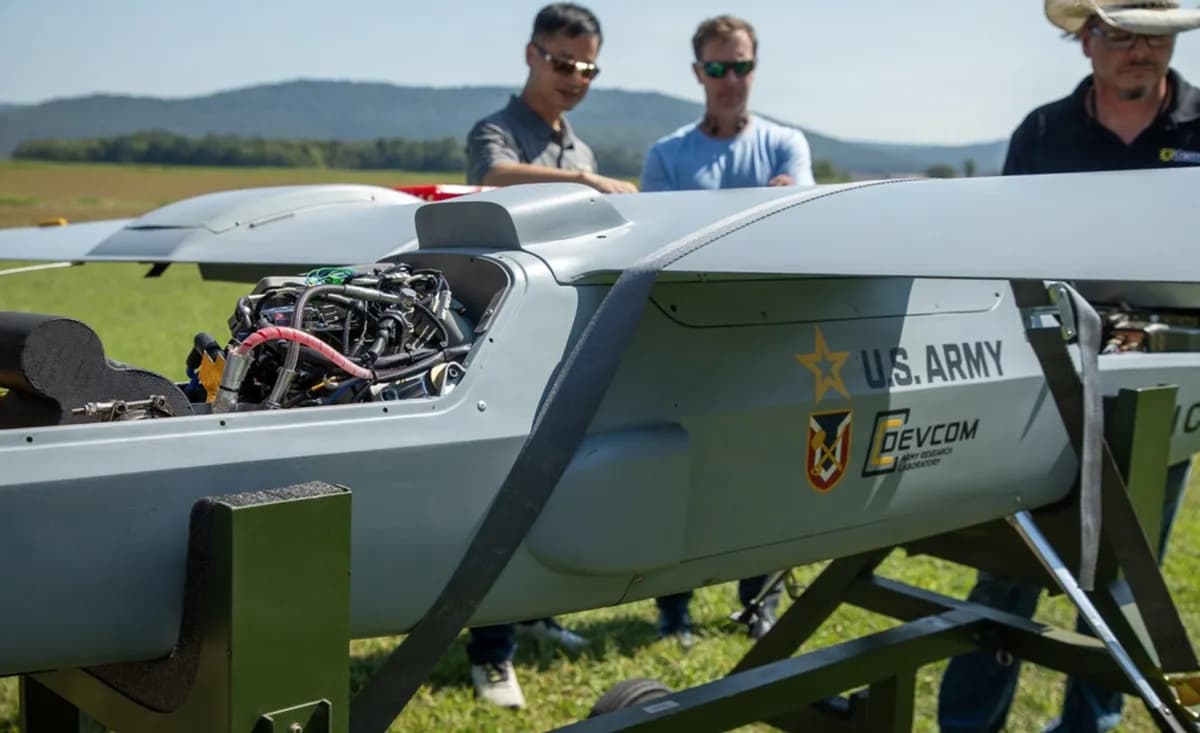
The US Army has successfully tested a drone featuring a hybrid propulsion system created through 3D printing technology. This innovative engine, powered by heavy fuel, aims to enhance flight endurance and operational capabilities for tactical missions.
Overview of the Hybrid Propulsion System
The US Army has conducted tests on a drone that utilizes a hybrid propulsion system manufactured via 3D printing. Developed by the US Army Research Laboratory, the engine operates on heavy fuel, allowing for extended flight times compared to traditional gasoline or battery systems.
Benefits of the New Engine
This advancement is significant for tactical drones, providing several advantages:
- Longer flight endurance
- Higher speeds
- Capability to operate at high altitudes
- Ability to carry heavier payloads
- Performance in extreme conditions
- Reduced logistical demands
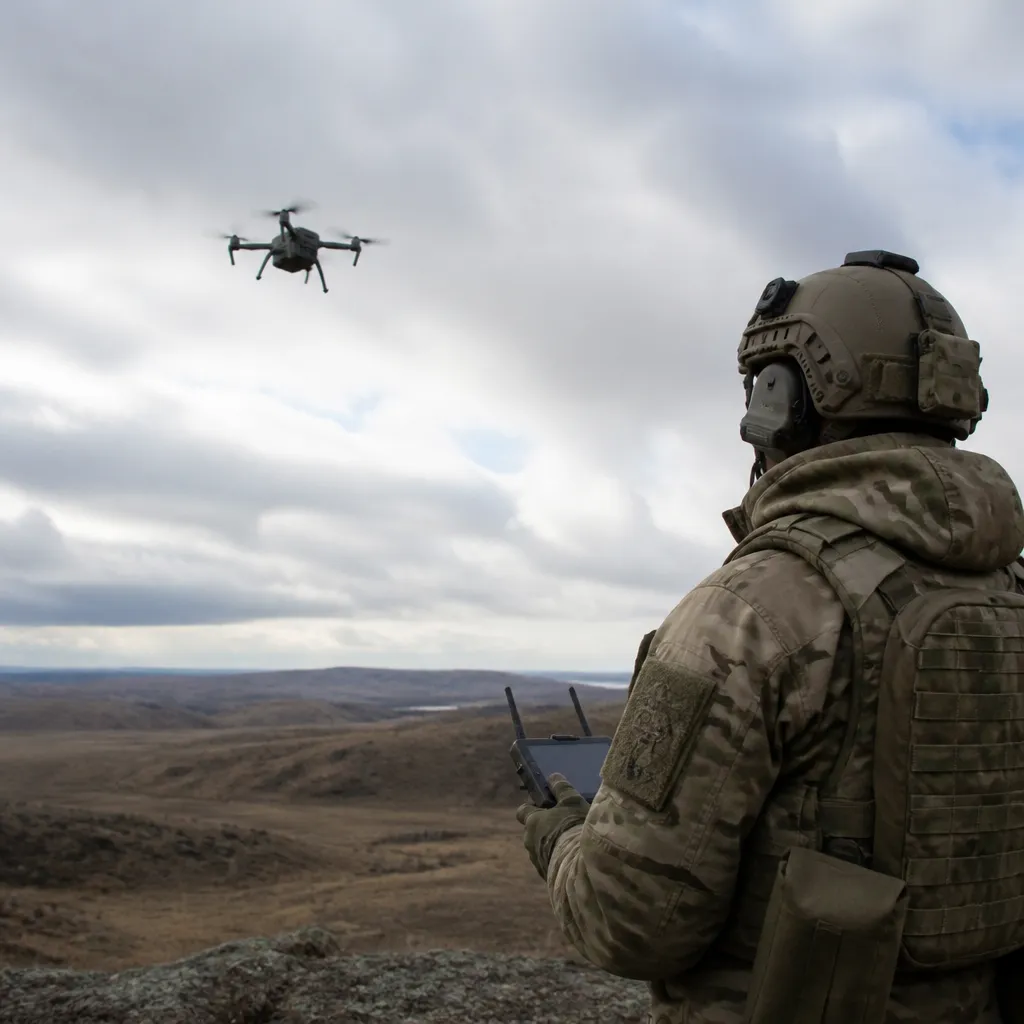
Development Process
Researchers incorporated computational fluid dynamics simulations to design the engine from the ground up. This approach helped address challenges such as efficiently combusting heavy fuel in a rotary engine. Key improvements included enhanced fuel atomization and vaporization processes, as well as minimizing leakage of air and fuel vapors. Additionally, metal 3D printing facilitated rapid modifications to the design based on experimental feedback.
Integration with VICTOR UAV
The new propulsion system has been integrated into the VICTOR unmanned aircraft, developed by Griffon Aerospace. This medium-class UAV is designed for reconnaissance and strike missions, classified under Group 3 unmanned aircraft, which includes systems weighing up to 600 kg and able to operate at altitudes up to 5.5 km.