
WASP Develops Recyclable Dual Extrusion 3D Printing Process
Written with artificial intelligence.
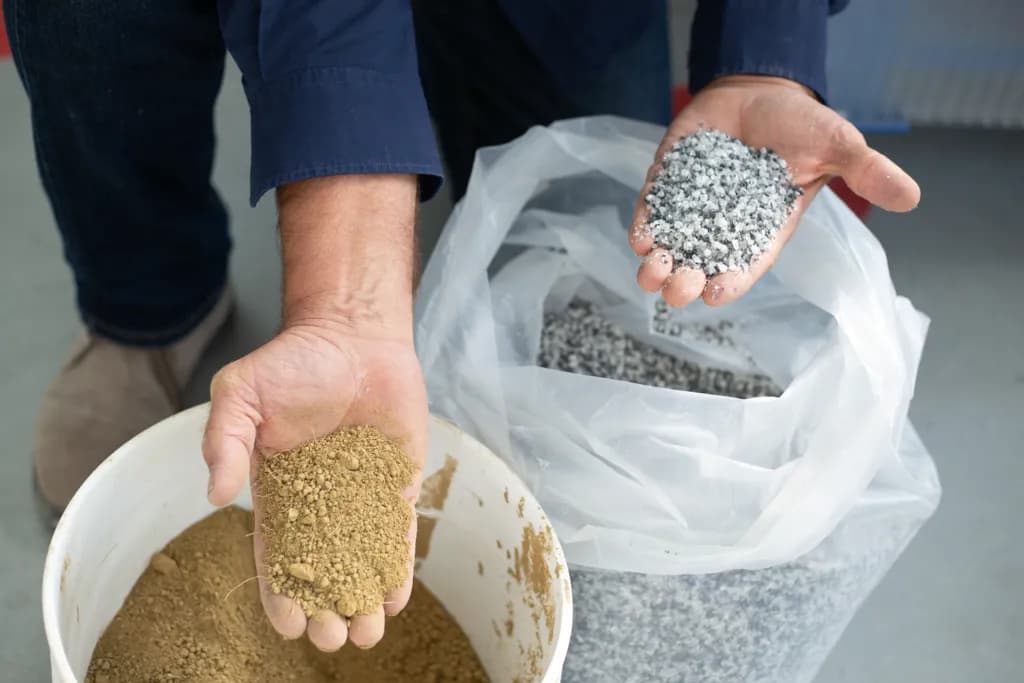
WASP has introduced a patent-pending Dual Extrusion Technology that enables simultaneous 3D printing of earth and plastic, allowing for both materials to be separated and recycled. This innovation aims to enhance the structural capabilities of earth-based constructions while promoting sustainability.
Introduction of Dual Extrusion Technology
WASP has unveiled a new 3D printing method that combines earth and plastic, addressing the recycling challenges associated with composite materials. This patent-pending technology allows for the two materials to be printed together and later separated for recycling.
How the Technology Works
The process utilizes two distinct extrusion techniques: Liquid Deposition Modeling (LDM) for clay and earth, and Fused Granulate Fabrication (FGF) for thermoplastic granules. The resulting layers from this dual extrusion can be easily separated, making recycling feasible. The integration of plastic reinforcement is designed to enhance the structural integrity of earth-based structures, which typically struggle with overhangs and cantilevers due to the softness of freshly extruded earth.
Benefits and Applications
By using plastic as a reinforcement, WASP aims to facilitate the construction of more complex geometries without compromising the benefits of sustainable earth construction. This approach redefines composites not as permanent combinations, but as reversible systems that can be disassembled at the end of their lifecycle.
Future Developments
WASP is currently in the testing phase of this technology, with several questions yet to be answered, including the types of polymers used, their recyclability, and the practicalities of the separation process. The company plans to share further results as the project progresses, determining whether this method can become a viable option for circular construction.
Conclusion
As WASP continues to refine this innovative printing technique, it holds the potential to transform how we think about material use in 3D printing, combining sustainability with advanced architectural possibilities.