
US Navy Awards $137M to Ursa Major for Advanced 3D-Printed Rocket Motors
Written with artificial intelligence.
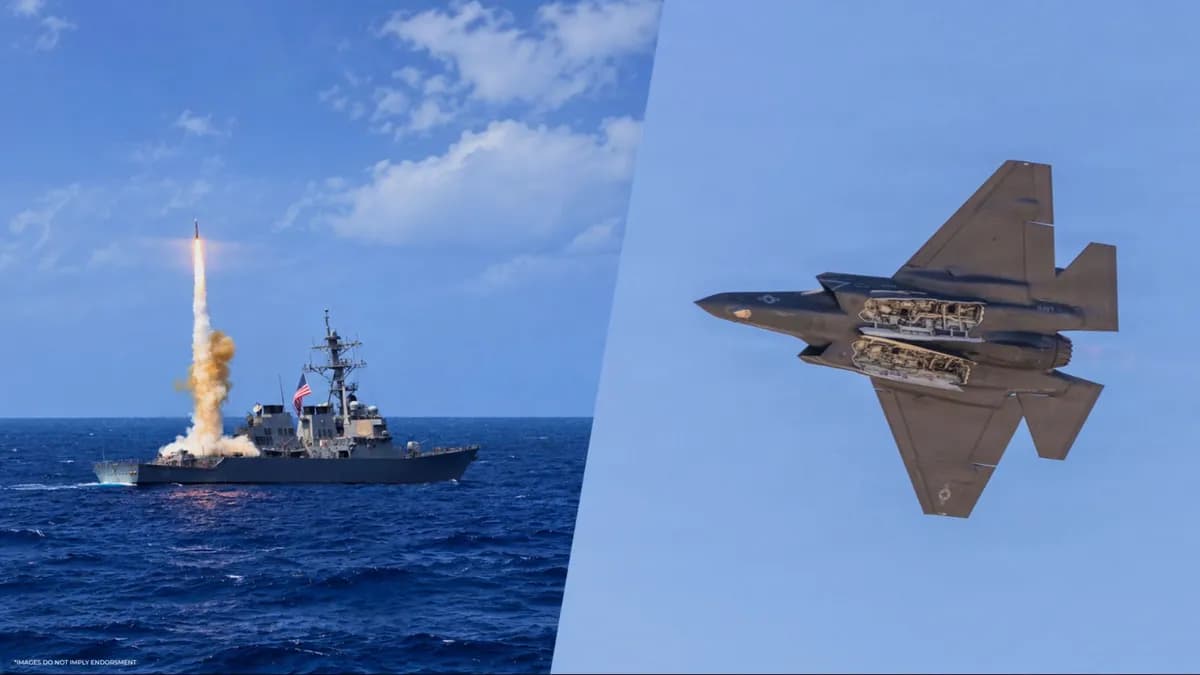
The US Navy has secured two contracts totaling $137 million with Ursa Major to develop solid rocket motors for new missile systems, including the Compact Air-to-Air Missile and the Naval Modular Missile. These contracts aim to enhance the Navy's domestic production capabilities and tactical weaponry.
Overview of Contracts
The US Navy has awarded Colorado-based Ursa Major two contracts worth a total of $137 million aimed at developing solid rocket motors for its upcoming missile systems. This initiative is part of the Navy's strategy to boost its domestic production capacity for advanced weaponry.
Details of the Missile Programs
- Compact Air-to-Air Missile (CAAM):
- Funding: $91 million
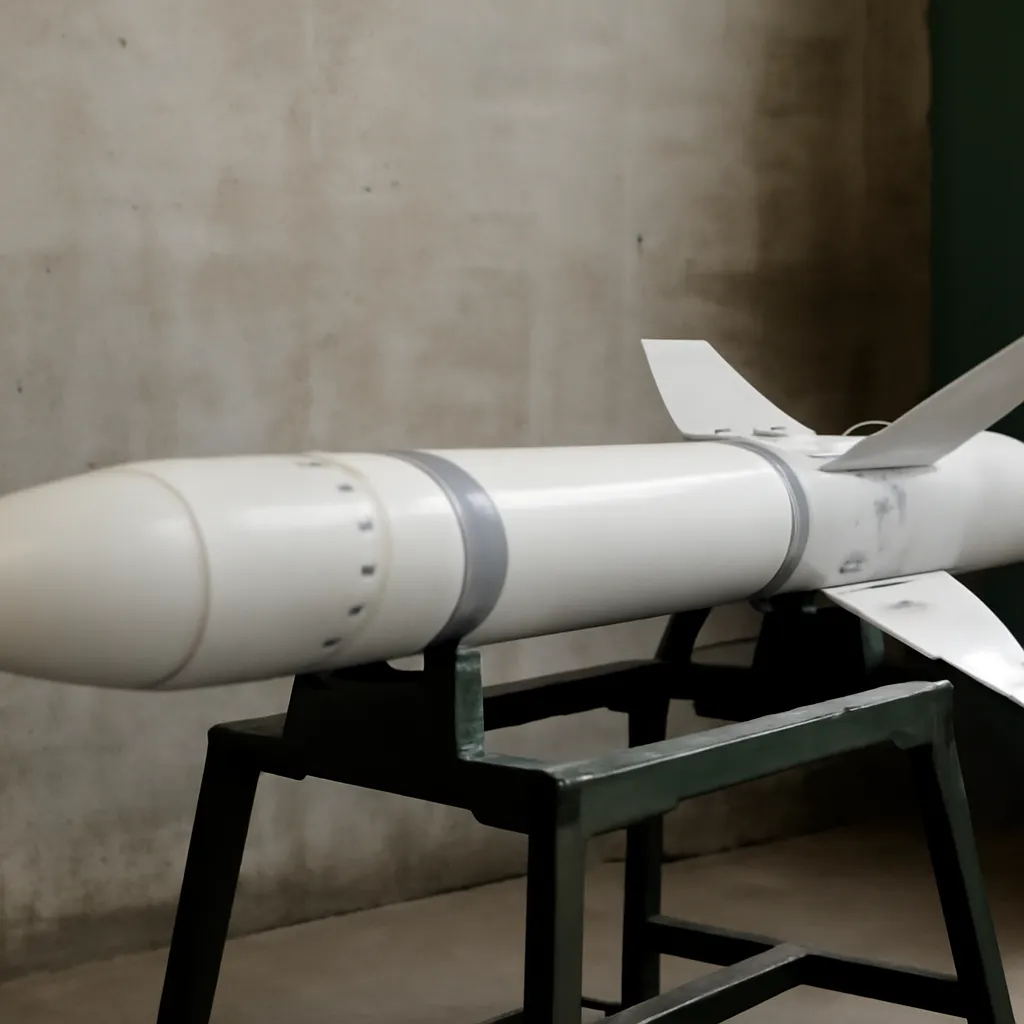
- Features a 7-inch (178 mm) solid rocket motor designed for air-launched missiles that can be integrated into stealth aircraft's weapons bays.
- Utilizes Highly Loaded Grain technology to maximize propellant efficiency.
- Naval Modular Missile (NMM):
- Funding: $46 million
- Incorporates a 10-inch (254 mm) solid rocket motor intended for ship-launched interceptors, compatible with existing Navy launch systems.
- Designed to allow a quad-pack configuration to optimize missile storage on ships.
Importance of Additive Manufacturing
Ursa Major is leveraging its Lynx 3D printing technology for the production of these rocket motors. This innovative approach not only enhances scalability but also aims to facilitate a smoother transition to high-rate manufacturing once the designs are qualified. This strategy addresses the increasing demand for missile interceptors and supports the Pentagon's goal of expanding production capabilities in the sector.
Previous Collaborations
These new contracts build on Ursa Major's previous engagements with the Navy, which included a $10 million contract for advancing the MK 104 solid rocket motor and a $25 million cost-share program focusing on the development of a proprietary solid propellant.
By investing in these projects, the Navy aims to strengthen its tactical air and naval capabilities while enhancing domestic production of critical defense technologies.