
Wabtec Utilizes Additive Manufacturing to Tackle Europe's Spare Parts Shortage
Written with artificial intelligence.

Wabtec is addressing the challenge of aging railway fleets in Europe by leveraging additive manufacturing, now operating over 150,000 3D printed parts on trains globally. This strategy aims to overcome supply chain disruptions and ensure the availability of critical spare parts.
Revolutionizing Spare Parts Supply
Wabtec is stepping up to meet the challenges posed by Europe’s aging railway fleets by implementing additive manufacturing techniques. The company has successfully integrated over 150,000 3D printed components into trains worldwide, providing a faster and more efficient alternative to traditional manufacturing methods. This innovation is particularly vital as the railway sector often struggles with slow maintenance and replacement processes.
Addressing Supply Chain Gaps
According to Henri de Chassey, the Spares & Trading / Additive Manufacturing ENG Manager at Wabtec, additive manufacturing addresses the growing disconnect between the longevity of rail fleets and the fragility of the traditional spare parts supply chain. Many rail operators face delays and shortages as the demand for spare components often exceeds the supply capabilities of original manufacturers, especially as these companies may go out of business or struggle to adapt to new manufacturing norms.
Key Benefits of Additive Manufacturing
Wabtec's strategy includes:
- Rapid Production: Parts can be produced in as little as four weeks from initial data.
- Cost Efficiency: Parts are optimized to reduce weight and assembly complexity, as seen in components like brake panels, which have been re-engineered to consolidate multiple parts into a single print.
- Customization: The approach allows for flexible production schedules, enabling customers to order exact quantities without the need for surplus inventory.
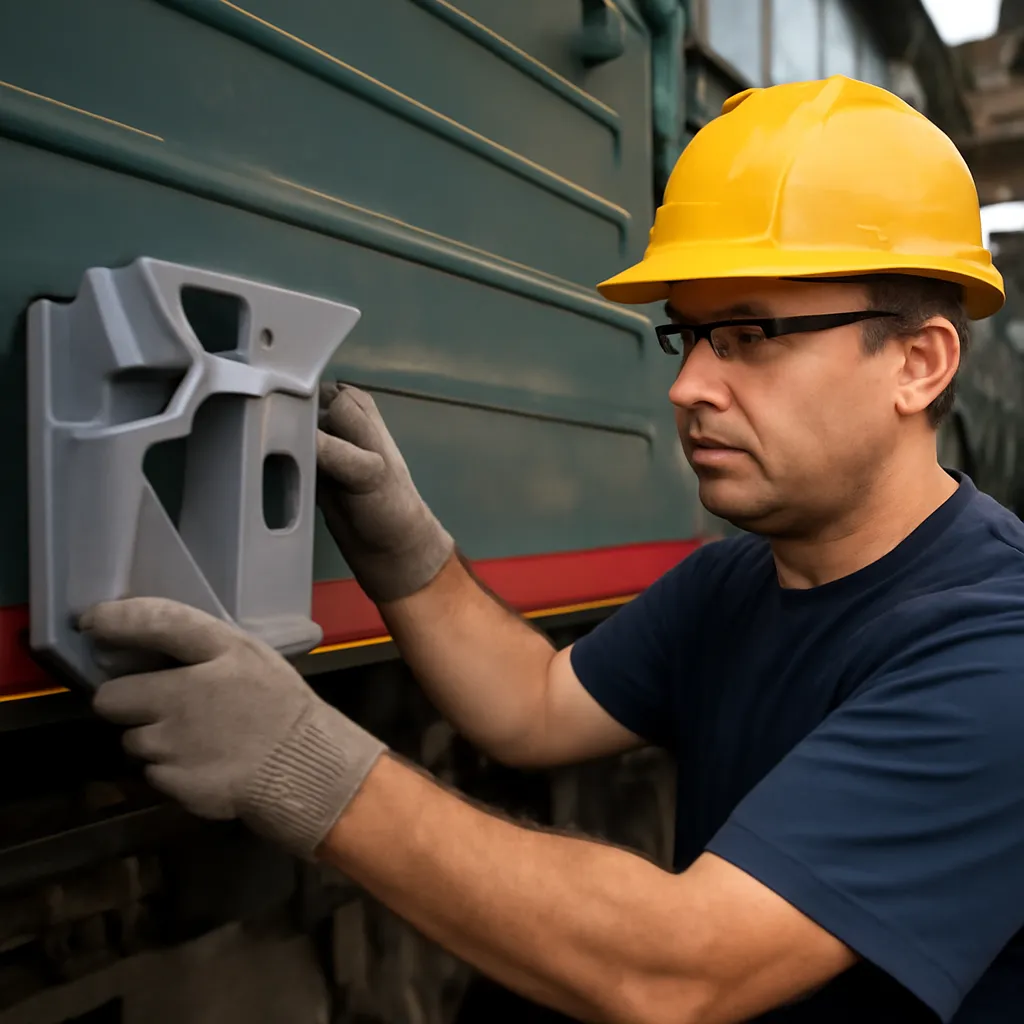
In addition, Wabtec offers warranties of up to 24 months on their printed parts, ensuring reliability and safety in critical applications.
Industry-Wide Implications
Wabtec's approach is not unique; similar initiatives are underway in the rail industry, such as Deutsche Bahn's Mobility Goes Additive network, which aims to collaboratively tackle the issue of obsolete parts. This focus on additive manufacturing is expected to transform the industry, emphasizing the importance of not just production capabilities but also rigorous testing and certification to ensure safety in operational environments.
Ultimately, Wabtec's commitment to additive manufacturing signifies a significant shift in how the rail industry can maintain aging fleets while adapting to modern supply chain challenges.