
RMIT University Develops Biodegradable 3D Printing Filament from Coffee Waste
Written with artificial intelligence.
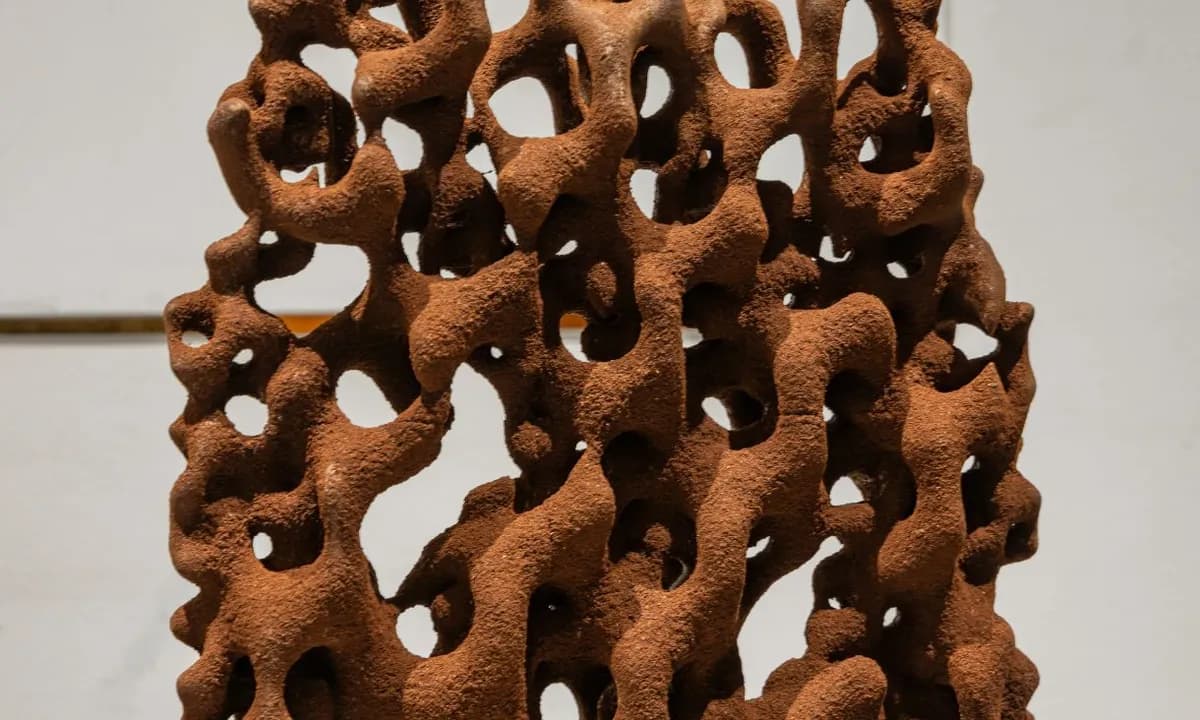
Researchers at RMIT University have created a biodegradable 3D printing filament using spent coffee grounds, showcasing its potential in architectural design. The project, named 'Waste to Form,' aims to explore sustainable construction materials and has produced a demonstrator structure displayed at Melbourne Design Week.
Introduction to the Project
Researchers at RMIT University have embarked on an innovative project called "Waste to Form," focusing on the development of a biodegradable 3D printing filament derived from spent coffee grounds. Led by Distinguished Professor Baohua Jia from the School of Science and Dr. Nic Bao from the School of Architecture and Urban Design, this initiative is currently in the research phase but has already produced a full-scale architectural demonstrator showcased at Melbourne Design Week.
Coffee Waste as a Resource
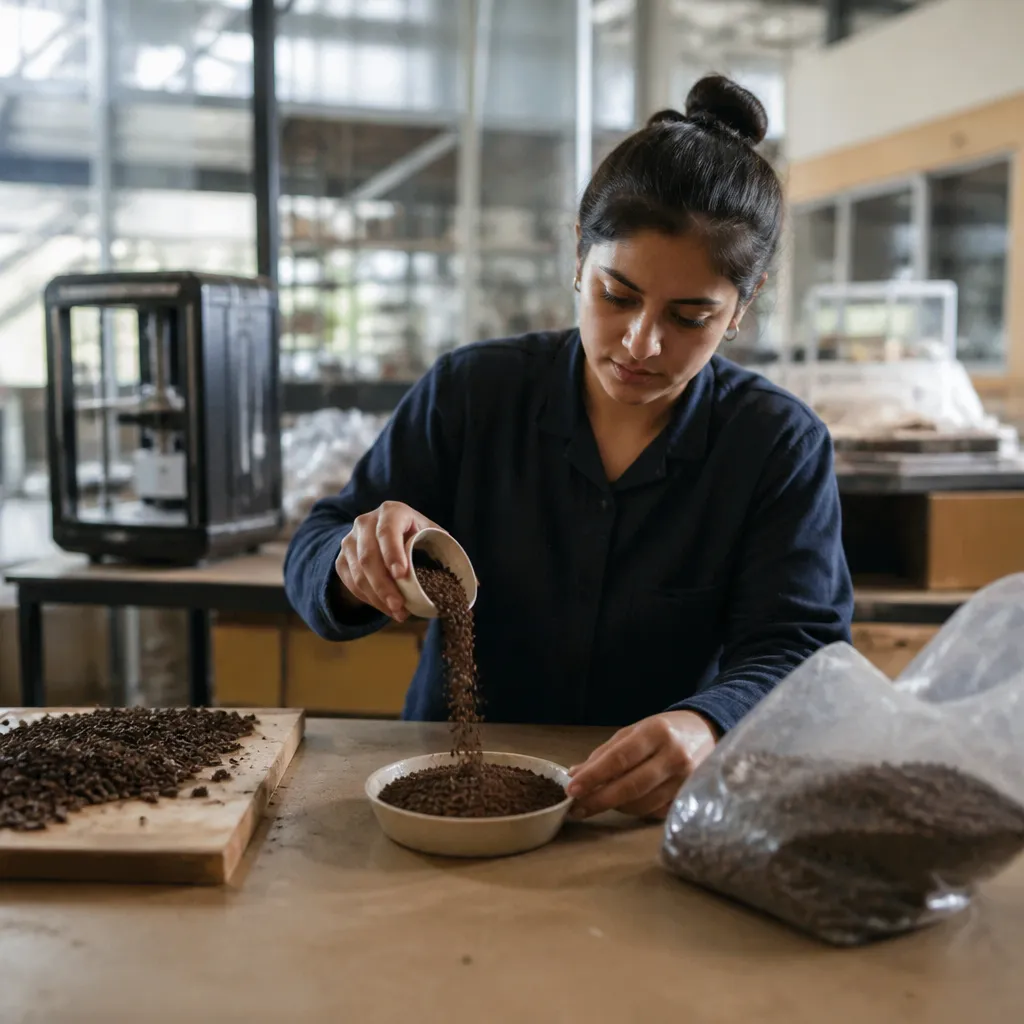
The project arises from RMIT’s exploration of how everyday waste materials can be repurposed, particularly in 3D printing, which often relies on plastics. With Melbourne's vibrant coffee culture, the researchers identified coffee grounds as a promising material that is typically discarded. Professor Jia noted that coffee is not only a rich biomaterial but also serves as a good fertilizer, making it an excellent candidate for creating biodegradable materials.
Collaboration and Material Properties
The project is a collaborative effort between material scientists and architects, with Jia’s team focusing on the properties and characterization of the filament. Dr. Bao's FormX Research Lab is exploring the filament's architectural applications. Preliminary findings suggest that the coffee grounds enhance the material's strength and provide unique attributes such as a natural brown color and a pleasant coffee scent. However, the team has yet to publish performance metrics related to sound absorption or insulation.
Educational Outreach and Future Collaborations
In addition to its research goals, the team is integrating the coffee waste 3D printing concept into educational initiatives through the Australian Nano Manufacturing Future Challenges program, offering high school students practical experience in sustainability and materials science. Looking ahead, RMIT aims to collaborate with various sectors, including cafes, material suppliers, and construction partners, to further develop this sustainable material for wider applications.
Context in the Industry
RMIT's initiative is part of a growing trend to explore the use of food waste in 3D printing. Similar projects, such as the EU's BARBARA initiative and Mexico's Eggshell Project, have sought to create construction materials from agricultural by-products and food waste, highlighting the potential for sustainability in the field. However, scaling these innovations for industrial use remains a significant challenge, often requiring extensive funding and time.