
New 3D-Printing Method Set to Accelerate Nuclear Reactor Construction
Written with artificial intelligence.
A new 3D-printing technique developed by Oak Ridge National Laboratory (ORNL) and partners aims to expedite the construction of advanced nuclear reactors. This method significantly reduces the time required to produce specialized concrete molds from six months to just two weeks.
Innovative 3D-Printing for Nuclear Construction
A recent advancement in 3D-printing technology by Oak Ridge National Laboratory (ORNL) and its collaborators is designed to improve the efficiency of constructing advanced nuclear facilities. This technique enables the production of high-precision composite forms that are essential for shaping concrete in nuclear construction projects.
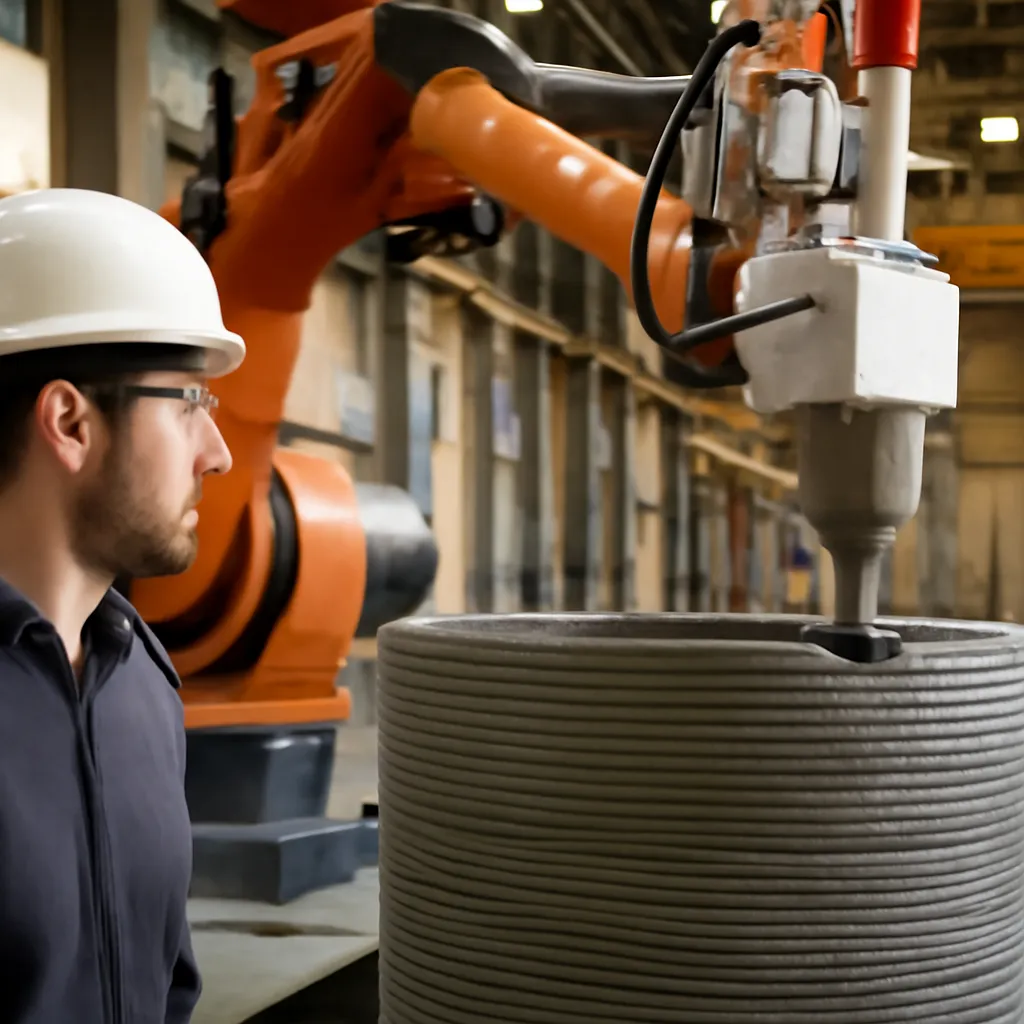
The initiative, named "Advanced Composite Formwork for Accelerated High-Precision Nuclear Infrastructure," has earned the 2026 CAMX Combined Strength Award. The innovative process combines large-scale 3D printing with precision machining, allowing for the rapid creation of reusable molds. These molds can be delivered in about two weeks, a significant improvement compared to the traditional six-month timeline needed for steel molds.
Demonstration at Kairos Power’s Facility
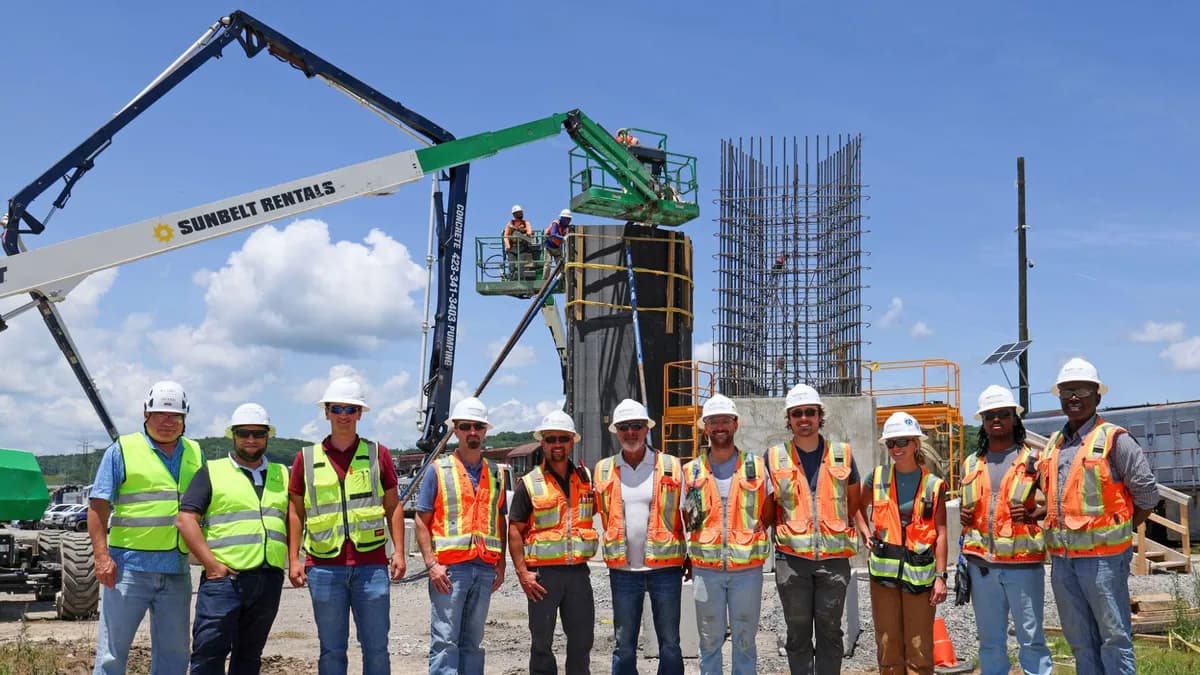
The technology has been demonstrated at Kairos Power’s Oak Ridge campus, where the Hermes Low-Power Demonstration Reactor is currently under construction. The 3D-printed composite forms are engineered to withstand the substantial pressure exerted by wet concrete and achieve a precision of one-sixteenth of an inch on critical surfaces.
The forms also incorporate complex geometries, such as interlocking joints for grout-free assembly of radiation-shielding panels, which are challenging to produce with conventional materials. This advancement not only enhances production speed but also allows for design flexibility without the lengthy wait times associated with new steel tooling.
Collaborative Efforts and Future Prospects
The project involves a variety of partners, including the US Department of Energy, the University of Maine’s Advanced Structures and Composites Center, and Barnard Construction. While the immediate benefit is the quicker production of specialized concrete forms, it does not guarantee a reduction in the overall construction timeline due to other engineering and regulatory requirements that nuclear projects must meet.
As ORNL continues to refine this technology, it aims to establish a more agile additive manufacturing supply chain that can support future advanced reactor projects, ultimately enhancing the deployment of advanced nuclear technology.