
ESA's DIQAM Project Aims to Streamline Qualification of 3D Printed Space Parts
Written with artificial intelligence.
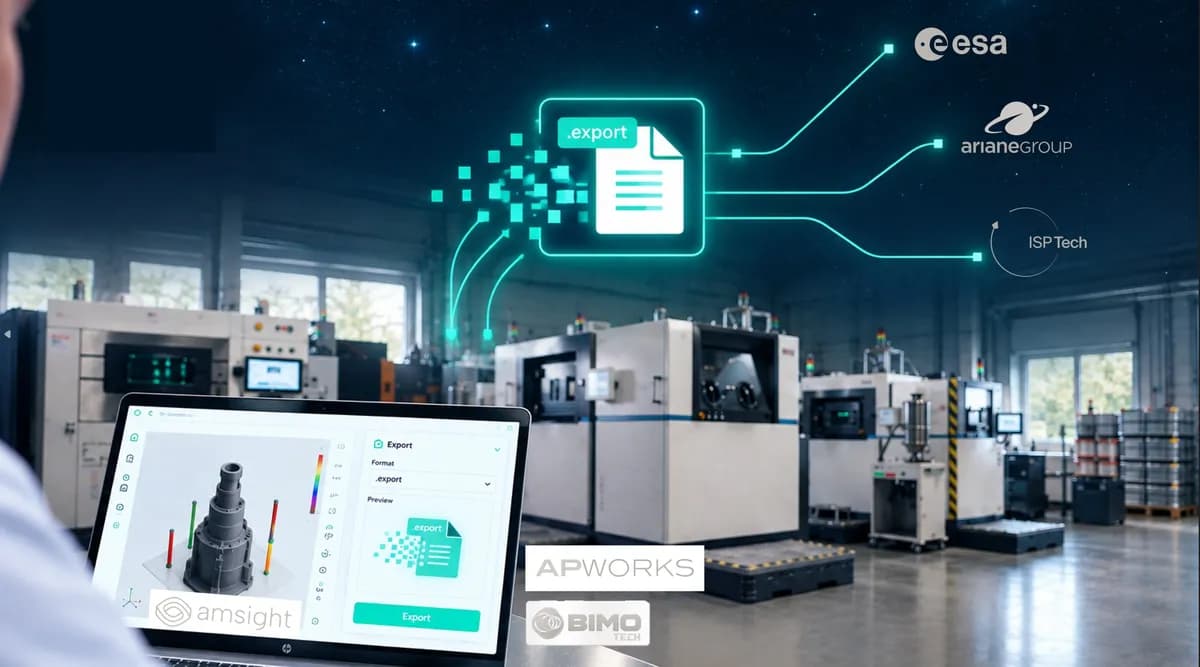
The European Space Agency's new DIQAM initiative, led by amsight, seeks to simplify the qualification process for 3D printed components used in space missions. This project will create a Digital Qualification Evidence Framework to connect various data points, significantly reducing time spent on inspections and certifications.
Overview of DIQAM
The European Space Agency (ESA) has launched the DIQAM (Digital Qualification Framework for Additively Manufactured Space Components) project, spearheaded by German software developer amsight. Announced on October 14 during the ESA Future Space Transportation Autumn Session in Paris, the initiative aims to expedite the qualification of 3D printed parts for launch vehicles and spacecraft. Funded under the ESA FIRST! program, DIQAM will run for 12 months starting September 2026.
Objectives and Methodology
DIQAM's primary goal is to develop a Digital Qualification Evidence Framework that integrates the entire lifecycle of an additively manufactured component into a single, reusable digital chain. The framework will consolidate various data such as process parameters, material records, and inspection results into a unified format. Key deliverables include a space-specific reference specification and a software prototype designed to automate data aggregation and statistical evaluation across the additive manufacturing supply chain.
Practical Applications
The framework will be validated using two specific parts: a Phase Change Material container from ArianeGroup for the upcoming Ariane 6 rocket and a 4U propellant tank from ISPTech, critical for CubeSat propulsion systems. This approach aims to eliminate the current burdens of manual quality checks and extensive documentation, which often hinder efficiency in the sector.

Broader Implications
While focused on space applications, the DIQAM model is also relevant to other regulated additive manufacturing sectors. By treating quality evidence as structured, machine-readable data, the project strives to enhance reliability and speed in production processes. As highlighted by industry leaders, the initiative could transform how manufacturers approach quality assurance in the additive manufacturing landscape.
For those interested in the latest trends in software and additive manufacturing, registration is open for the AMA: Software 2026 event on October 22.