
CSEM and Almatech Unveil Reusable 3D Printed Shock Absorber for Space Landers
Written with artificial intelligence.
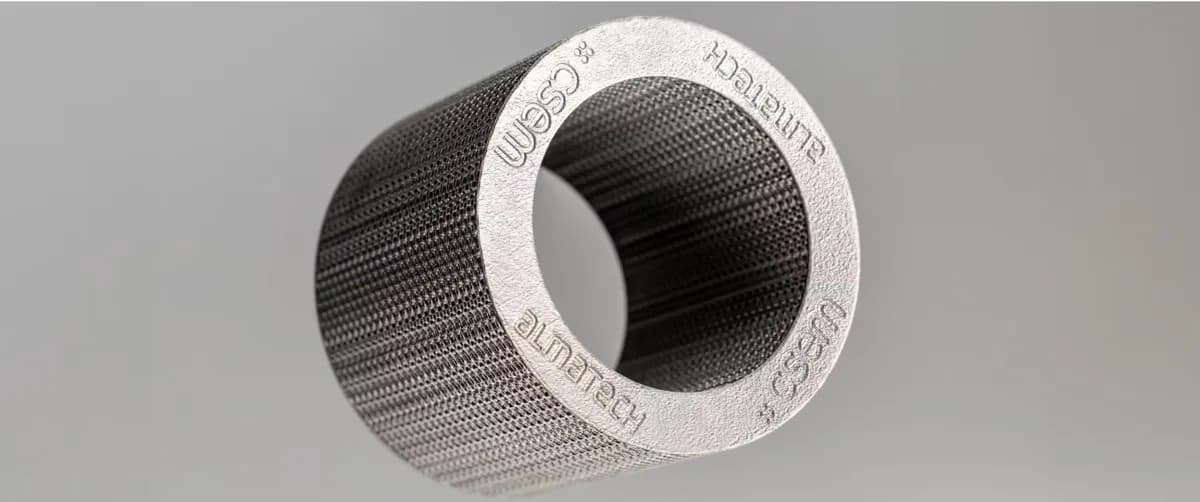
CSEM and Almatech have developed a reusable shock absorber made from nickel-titanium (NiTi) shape memory alloy for lunar and planetary landers, as part of the ESA-supported RESHAPE project. This innovation offers predictable impact absorption over multiple landings, enhancing spacecraft reliability.
Introduction
Swiss research facility CSEM and engineering firm Almatech have made significant strides in space technology by showcasing a reusable shock absorber tailored for lunar and planetary landers. Crafted from nickel-titanium (NiTi) shape memory alloy, this shock absorber was developed under the European Space Agency's (ESA) RESHAPE project.
Key Features
The shock absorber's design allows it to absorb impacts predictably across multiple landing cycles, a crucial improvement over traditional systems that could only withstand single-use impacts. Previous spacecraft, like the Apollo Lunar Module, utilized crushable materials that became unusable after one landing.
Development Process
CSEM spearheaded the development, utilizing laser powder bed fusion (LPBF) to create a lattice architecture in the NiTi alloy. This architecture enables engineers to customize the structure's deformation and energy dissipation properties. Testing included high-speed impact and reusability assessments to ensure reliability in landing scenarios. Vaclav Pejchal from CSEM highlighted the potential for these materials to change long-standing designs in aerospace components.
Collaboration and Future Steps
Almatech then translated the test data into a full-scale shock absorber design suitable for its landing leg systems. Dr. Fabrice Rottmeier from Almatech emphasized the partnership’s synergy, combining technological expertise with practical engineering applications. However, specific details regarding landing cycles, impact energies, and technology readiness levels have not been disclosed, raising questions about the shock absorber's readiness for actual space missions.
Conclusion
This innovative shock absorber represents a promising advancement in the reliability of space landers, and its development process underscores the importance of precise manufacturing techniques. Continued emphasis on material composition and process control will be vital to ensure consistent performance in future applications.