
Carbon Achieves Milestone with One Million 3D Printed Saddles
Written with artificial intelligence.
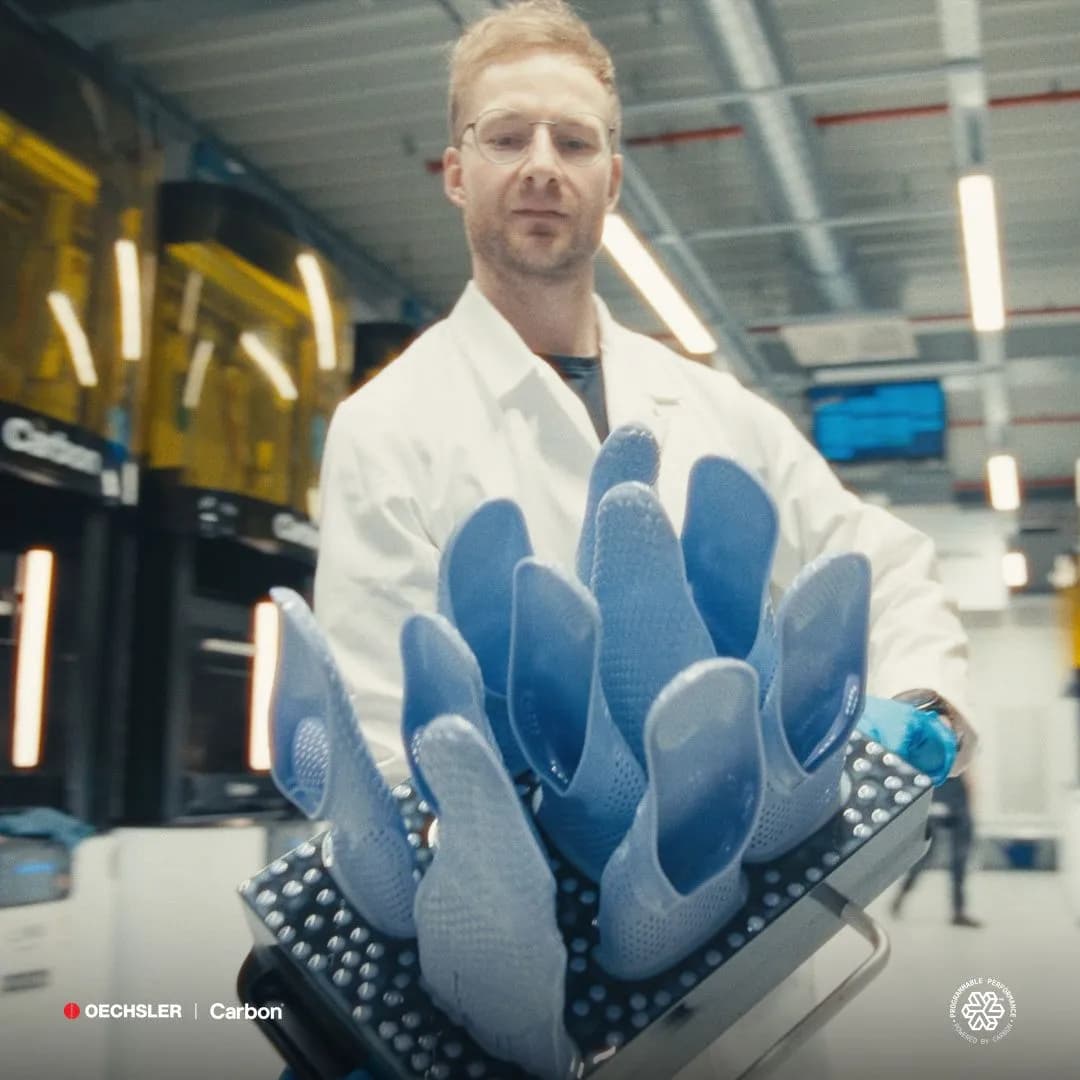
Carbon has marked a significant achievement by producing over one million cycling saddles using its additive manufacturing technology. The company collaborates with 11 brands, offering customized designs that enhance performance through innovative lattice structures.
Carbon's Production Milestone
Carbon, a leading product development and manufacturing technology company, has successfully produced more than one million cycling saddles utilizing its additive manufacturing platform. This milestone was announced on October 21, 2026, ahead of the upcoming Formnext 2026 event in Frankfurt, where Carbon will showcase its ongoing production applications.
Innovative Design through Digital Light Synthesis
The saddles are crafted using Carbon’s Digital Light Synthesis (DLS) technology, which allows brands to create digitally programmed lattice structures instead of traditional foam cushioning. This innovation enables specific tuning of cushioning, support, and performance based on different areas of the saddle. Phil DeSimone, CEO of Carbon, emphasized the importance of this achievement, stating that it reflects the potential of digital manufacturing moving from prototyping to large-scale production.
Customization Beyond Cycling
Carbon’s technology has been effectively applied in professional cycling, including at the 2026 Tour de France, where cyclist Tadej Pogačar used a custom saddle designed through fizik’s One-to-One program. The company is also expanding its applications, with brands like Selle Italia launching fully customizable saddles like the Unica, crafted using individual rider pressure data. Beyond cycling, Carbon’s DLS technology is transforming footwear with products like Vivobarefoot’s VivoBiome Tabi Gen 02, which utilizes personalized foot scans for custom fit.
Looking Ahead: Formnext 2026
At the upcoming Formnext 2026, from November 17 to 20, Carbon will demonstrate its production capabilities across various sectors, including custom footwear and medical technology. With a network of over 40 production partners globally, Carbon aims to solidify additive manufacturing as a viable production technology, not just a prototyping method. This strategy is evident in the increasing prevalence of lattice structures replacing conventional foam in consumer products, marking a shift into mass-market production.