
Advancements in Fatigue Testing of 3D-Printed Metals
Written with artificial intelligence.
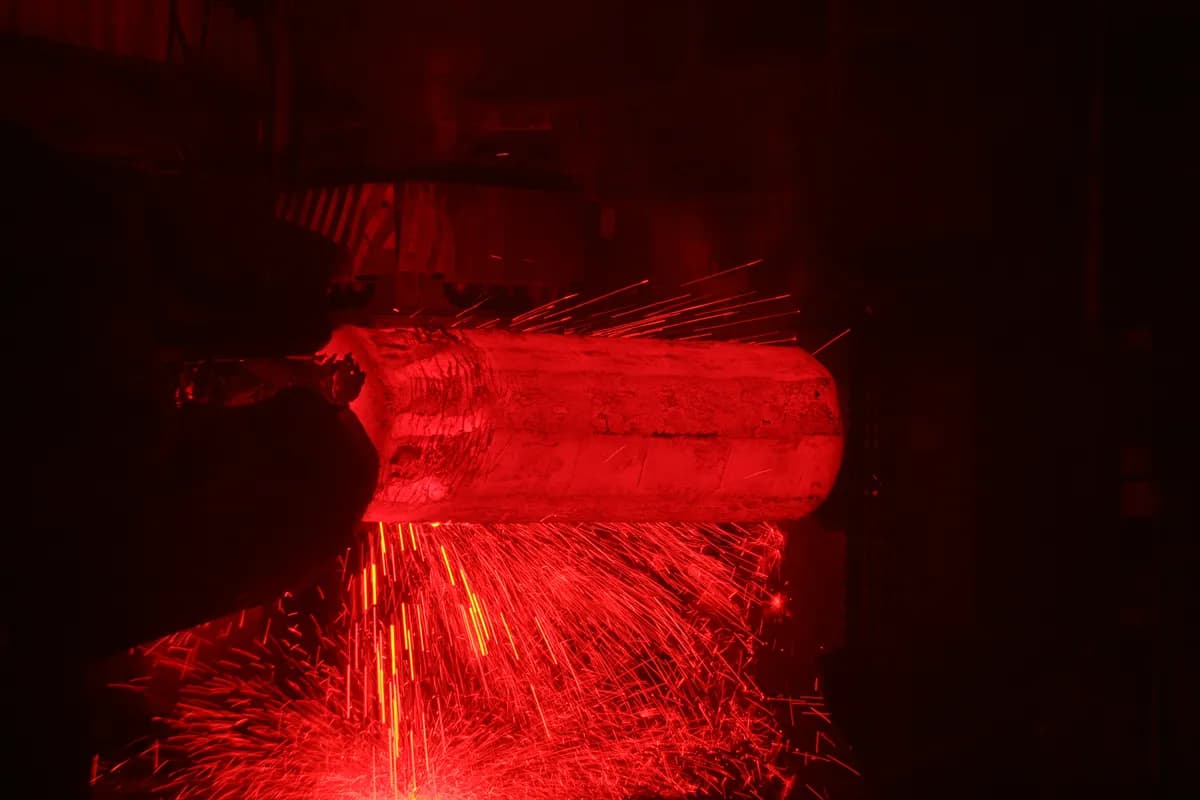
Research at the University of Waikato is exploring the use of thermal cameras to expedite fatigue testing of 3D-printed metals, potentially reducing testing time from weeks to about an hour. PhD candidate Muhammad Omer aims to improve manufacturers' understanding of material performance through innovative thermal analysis techniques.
Enhancing Testing Methods
Muhammad Omer, a PhD candidate at the University of Waikato, is investigating how thermal cameras can accelerate the fatigue testing process for 3D-printed metals. Traditional methods for assessing metal fatigue can take four to five weeks, an extensive time frame for manufacturers looking to optimize their materials.
The Role of Thermal Imaging
Using thermal cameras, Omer's research focuses on detecting subtle temperature changes in metals under stress. When a metal is loaded, its temperature can decrease, and when unloaded, it can increase. By capturing these thermal responses, Omer aims to identify crucial points in the material's fatigue behavior much more quickly than conventional methods allow.

Innovative Testing Approach
The research combines two analytical methods—harmonic analysis and heat-source reconstruction—to enhance the understanding of thermal data. Initial results indicate that these techniques offer complementary insights. Notably, the new approach allows for continuous stress application, potentially reducing test durations to around one hour, significantly benefiting industries involved in metal 3D printing.
Personal Journey and Future Goals
Omer's background includes experience in thermography from his work with Siemens Energy and the national space agency in Pakistan. Currently, he is on track to complete his PhD in June 2027, driven by a desire to explore new questions in the realm of material science. His research highlights the importance of persistence and experimentation in creating new knowledge, especially in an era increasingly influenced by artificial intelligence.