
Zetamix to Deploy Metal 3D Printing on Charles de Gaulle Aircraft Carrier
Written with artificial intelligence.
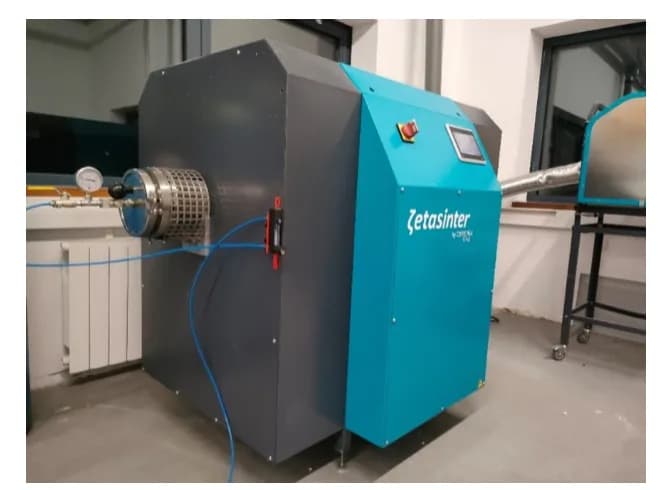
Zetamix's metal 3D printing technology will be implemented aboard the French aircraft carrier Charles de Gaulle, enabling on-site production of parts. This initiative aims to enhance maintenance and repair capabilities while minimizing risks associated with traditional methods.
Overview of the Initiative
Zetamix is set to utilize its metal 3D printing solution on the French aircraft carrier Charles de Gaulle. This $3 billion vessel, operational since 2002, accommodates a crew of 1,350 as well as 600 additional personnel. With the capability to carry up to 30 aircraft, the carrier represents a significant asset for France's naval capabilities.
Objectives and Implementation
The project is a collaboration between the French Fleet Support Service (Service de Soutien à la Flotte – SSF) and Naval Group, a major player in France's defense sector. Zetamix will install a furnace, bound metal filaments, and a Material Extrusion machine on the carrier. This approach is advantageous as it avoids the use of explosive powders and requires less complex infrastructure, making it suitable for onboard operations.

Benefits and Considerations
The use of Zetamix's technology is expected to facilitate the rapid production of essential parts, thereby improving maintenance and repair operations. The low initial investment and part costs, along with straightforward training requirements, make this method accessible. However, it is important to note that while parts can be produced quickly, they may require additional machining due to shrinkage during the sintering process.
Future Prospects
Guillaume de Calan, CEO of Nanoe, expressed pride in the deployment of this French technology aboard the Charles de Gaulle. Initial trials at Naval's Additive Manufacturing Center in Toulon have been promising, and the upcoming at-sea trial aims to further evaluate the effectiveness of this solution for maintenance, repair, and operations (MRO). As the library of printable parts expands, the utility of this technology for naval applications is expected to grow, potentially revolutionizing onboard maintenance practices across military fleets.