
Western Cape Reduces Spinal Brace Wait Time to 48 Hours with 3D Printing
Written with artificial intelligence.
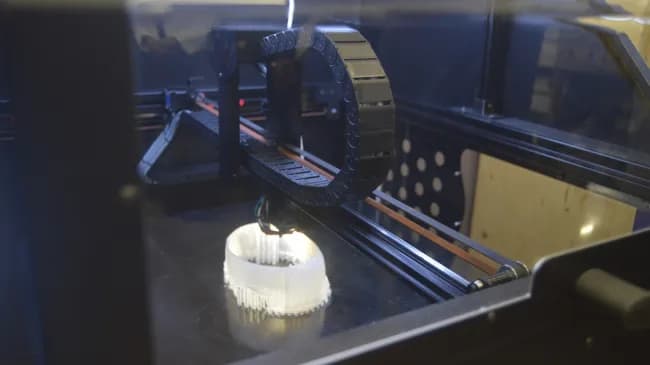
The Western Cape Department of Health and Wellness has implemented a new 3D printing service for spinal braces at its Orthotic and Prosthetic Centre, significantly reducing wait times from two weeks to 48 hours. This initiative not only enhances patient comfort but also lowers costs by more than half compared to traditional plaster braces.
Introduction of 3D Printing for Spinal Braces
In a significant advancement for patient care, the Western Cape Department of Health and Wellness has begun producing spinal braces using 3D scanning and printing technology at its Orthotic and Prosthetic Centre (OPC). This innovation allows patients with conditions such as scoliosis to receive custom-fitted braces in approximately 48 hours, a sharp contrast to the previous two-week wait.
Enhanced Comfort and Cost Efficiency
The new 3D printed braces are not only quicker to produce but also cost-effective, with prices being less than half that of traditional plaster of Paris braces. The department invested around R5.5 million in the necessary equipment, and since the service's launch on November 5, six patients have already benefited from this rapid turnaround.
Improved Patient Outcomes
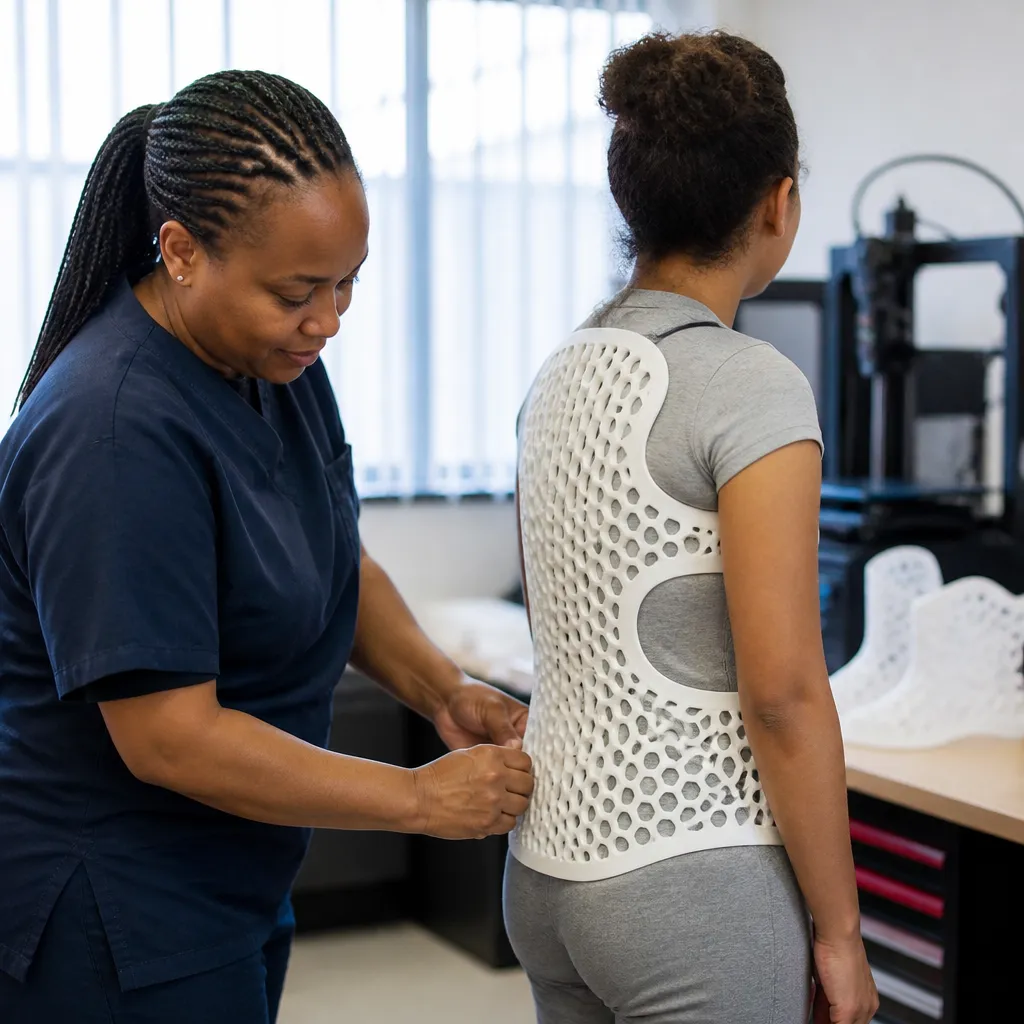
The 3D printing service specifically targets children and adolescents with spinal issues, aiming to improve treatment adherence. A well-fitting brace is essential for effective treatment, and early intervention is crucial for preventing the progression of spinal deformities. Mireille Wenger, the Western Cape Minister of Health and Wellness, emphasized the importance of timely brace provision for young patients.
A Pioneering Approach in Africa
OPC is distinguished as one of the first government healthcare facilities in Africa to implement in-house 3D printing for spinal braces. This initiative is part of a broader move to enhance access to orthotic and prosthetic services within the public health system. With the capacity to design and produce custom devices on-site, OPC is addressing the prevalent issue of long wait times and limited access to rehabilitation devices.
Conclusion
The Western Cape's approach highlights the potential of 3D printing to revolutionize the provision of medical devices, bringing production closer to patients while improving comfort and reducing costs. This initiative could serve as a model for other regions aiming to enhance their healthcare delivery systems.