
Western Cape Launches 3D Printing for Spinal Braces
Written with artificial intelligence.
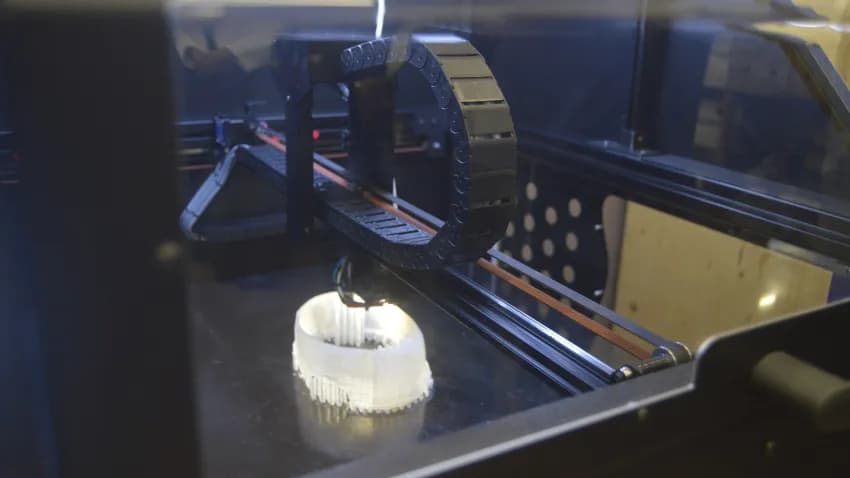
The Western Cape Department of Health and Wellness has introduced a new 3D scanning and printing service for spinal braces, significantly reducing patient waiting times from two weeks to days. This initiative aims to enhance the quality of life for individuals with spinal conditions by providing quicker access to customized braces.
Introduction of 3D Printing in Healthcare
The Western Cape Department of Health and Wellness is pioneering digital innovation in patient care by launching a 3D scanning and printing service for spinal braces at the Orthotic and Prosthetic Centre (OPC). This advancement is expected to greatly improve patient outcomes in the public health sector.
Benefits of the New Service
Minister of Health and Wellness Mireille Wenger highlighted that spinal braces can significantly enhance the quality of life for patients suffering from conditions like scoliosis and spinal injuries. The new 3D printer reduces waiting times for braces from two weeks to as little as 48 hours, making it particularly beneficial for children whose spinal conditions may worsen as they grow. This service was made possible through an investment of approximately R5.5 million in April, which has already benefited six patients.
Advanced Technology in Use
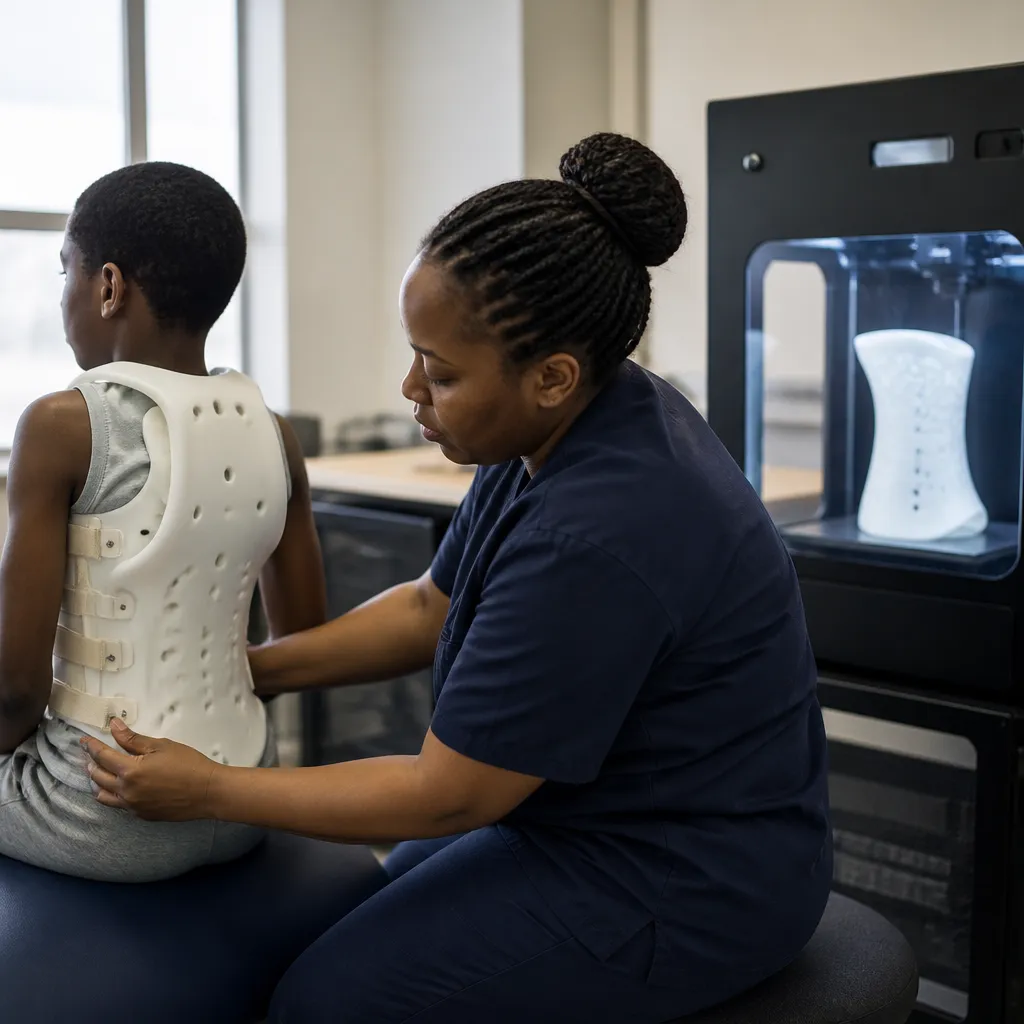
Patients are scanned using advanced 3D technology while standing in light clothing, allowing for quick and accurate modifications by clinicians. The resulting braces are lighter and more comfortable than traditional plaster models, costing less than half. The OPC is the only public center in the Western Cape to offer this service, and it currently operates 112 outreach services throughout the region.
Patient Experiences
Nashita Stellenboom, a 14-year-old patient who received one of the first 3D-printed braces, shared her positive experience, noting the brace's lighter weight and its impact on her confidence and physical activity. Her mother, Nailah, expressed relief over choosing the brace over surgery, citing significant improvements in Nashita's condition.
Commitment to Patient-Centered Care
This initiative underscores the Western Cape Department's commitment to providing accessible, dignified healthcare. By reducing waiting times and enhancing efficiency, the OPC is positioned to better serve the community and improve the rehabilitation landscape in South Africa. The successful implementation of this technology is a collaborative effort that aims to improve the quality of life for patients relying on assistive devices.