
University of Guadalajara Develops Recycled Filament for Touchscreen Prosthetics
Written with artificial intelligence.
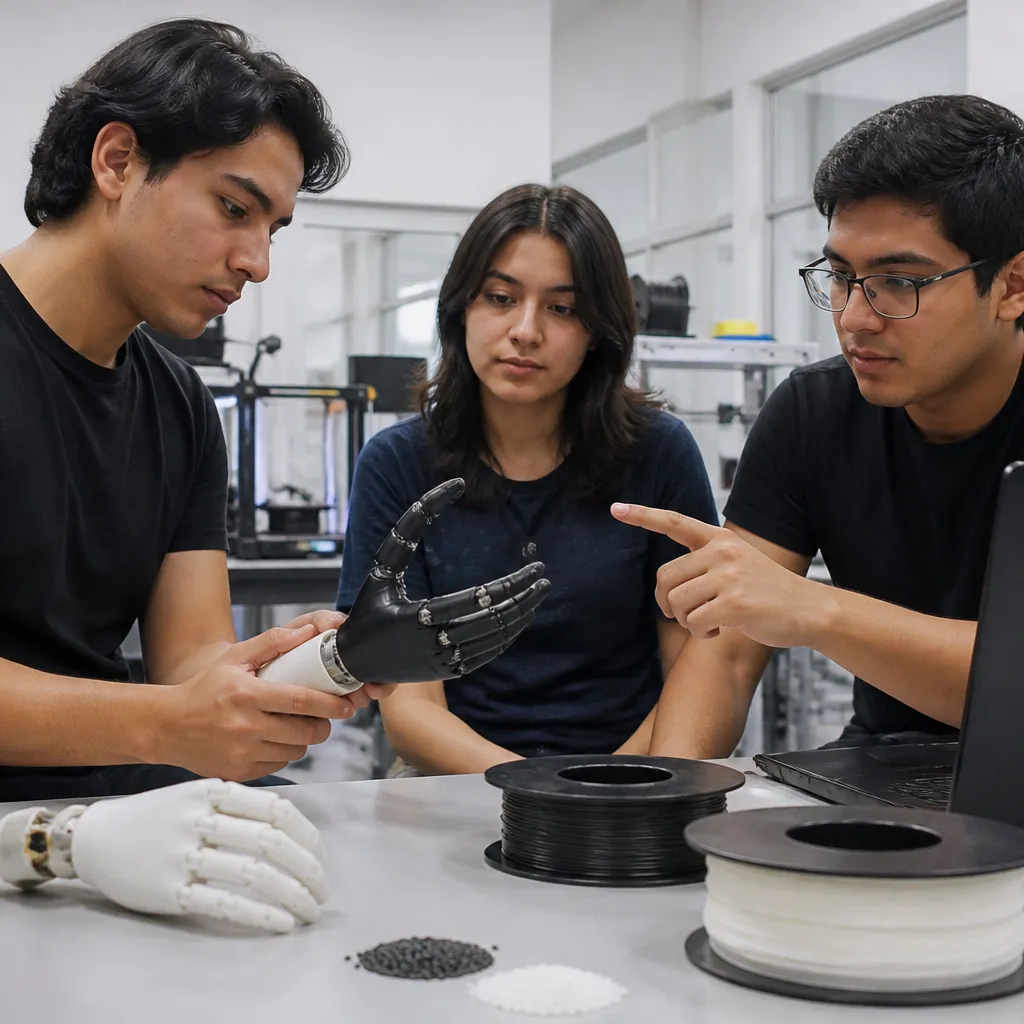
Students at the University of Guadalajara have created a 3D printing filament from recycled plastic that enables prosthetic hands to interact with touchscreens. This project, named Filna, aims to make prosthetic devices more accessible and affordable for users in need.
Innovative Filament from Recycled Materials
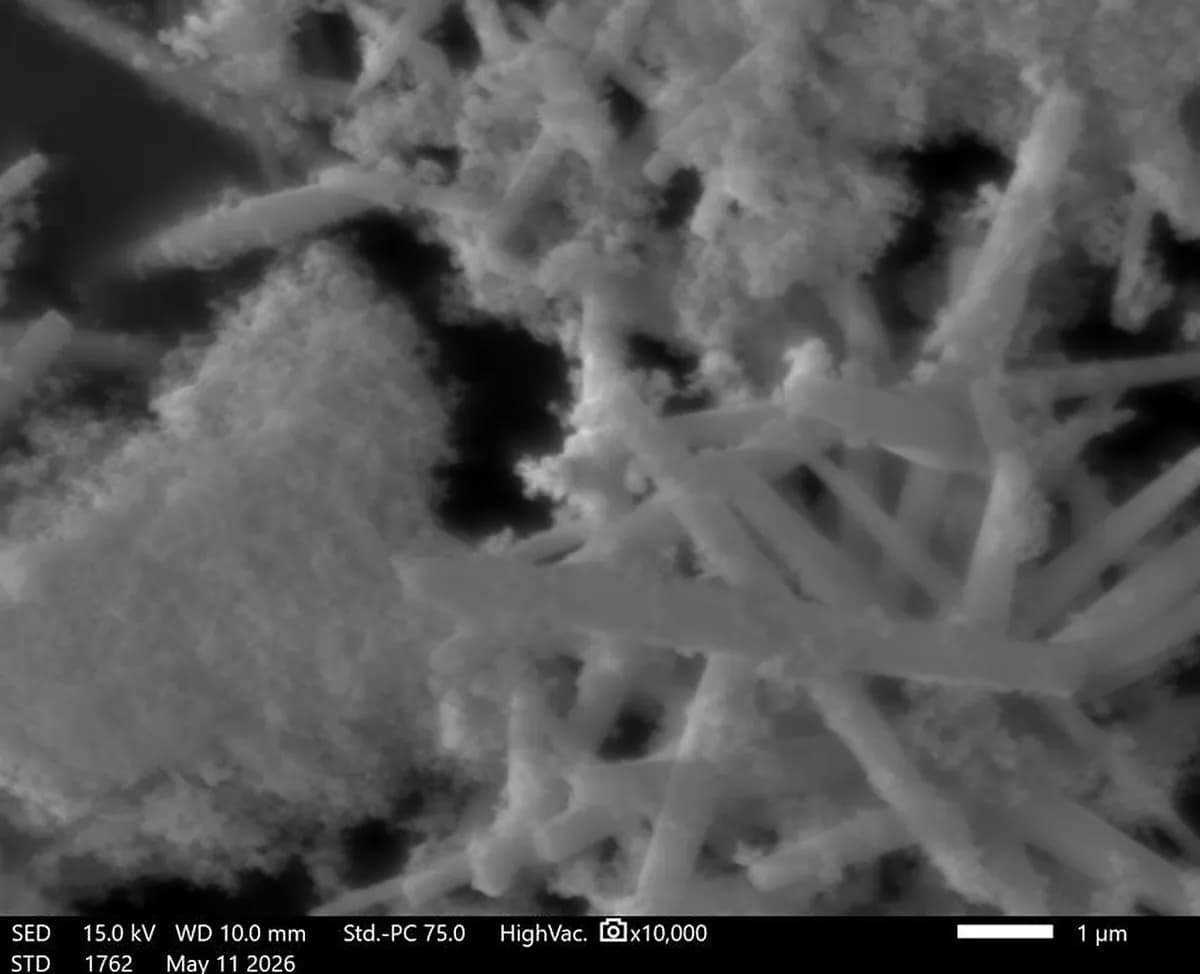
Students from the University of Guadalajara (UdeG) in Mexico have developed a novel 3D printing filament that combines recycled plastic with nanomaterials, allowing prosthetic hands to operate touchscreen devices. This initiative, called Filna, involves collaboration between students from the University Center of Guadalajara (CUGuadalajara) and the University Center of Tonalá (CUTonalá).
Addressing Cost Barriers
The project addresses the high cost of traditional prosthetic devices, which often limits access for those in need. Uriel Aranda Rodríguez, a biomedical technologies student, noted that the team initially focused on creating prostheses but shifted their attention to developing affordable printing materials. They found that enhancing their filament with nanomaterials not only improved its structural integrity but also enabled it to interact with mobile devices.
Production Process
To create the filament, the students collected plastic waste, shredded it, applied heat, and mixed in nanomaterials. The goal is to enhance the filament’s functionality, with future plans to incorporate features such as fluorescence for medical applications and improved biodegradability.
Broader Impact
Filna is part of a growing trend among student-led initiatives that leverage recycled materials to produce essential items. Similar efforts, like the Alium project in Ukraine, focus on creating educational tools from recycled PET filament. Both projects showcase how students are creatively addressing shortages and high costs in medical and educational resources by repurposing plastic waste.
For more updates on advancements in 3D printing, consider subscribing to industry newsletters for the latest news and insights.