
University of Waterloo Develops Innovative 3D Printed Filter to Remove Microplastics from Water
Written with artificial intelligence.
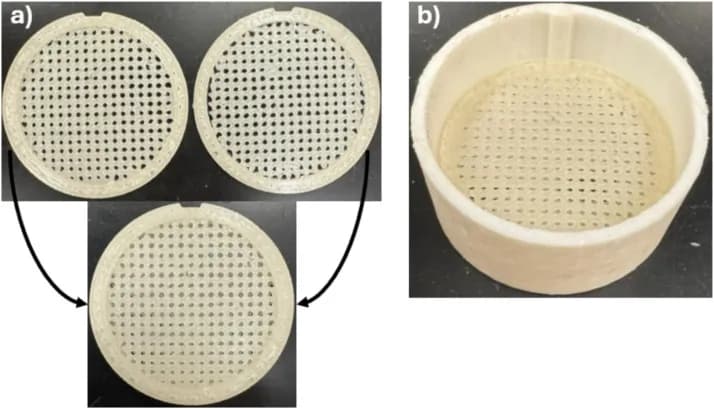
Researchers at the University of Waterloo have created a 3D printed water filter made from biodegradable plastic, capable of removing up to 90% of microplastics using gravity alone. This proof-of-concept combines advanced engineering techniques to enhance filtration efficiency, though further testing is needed in real-world conditions.
Breakthrough in Water Filtration
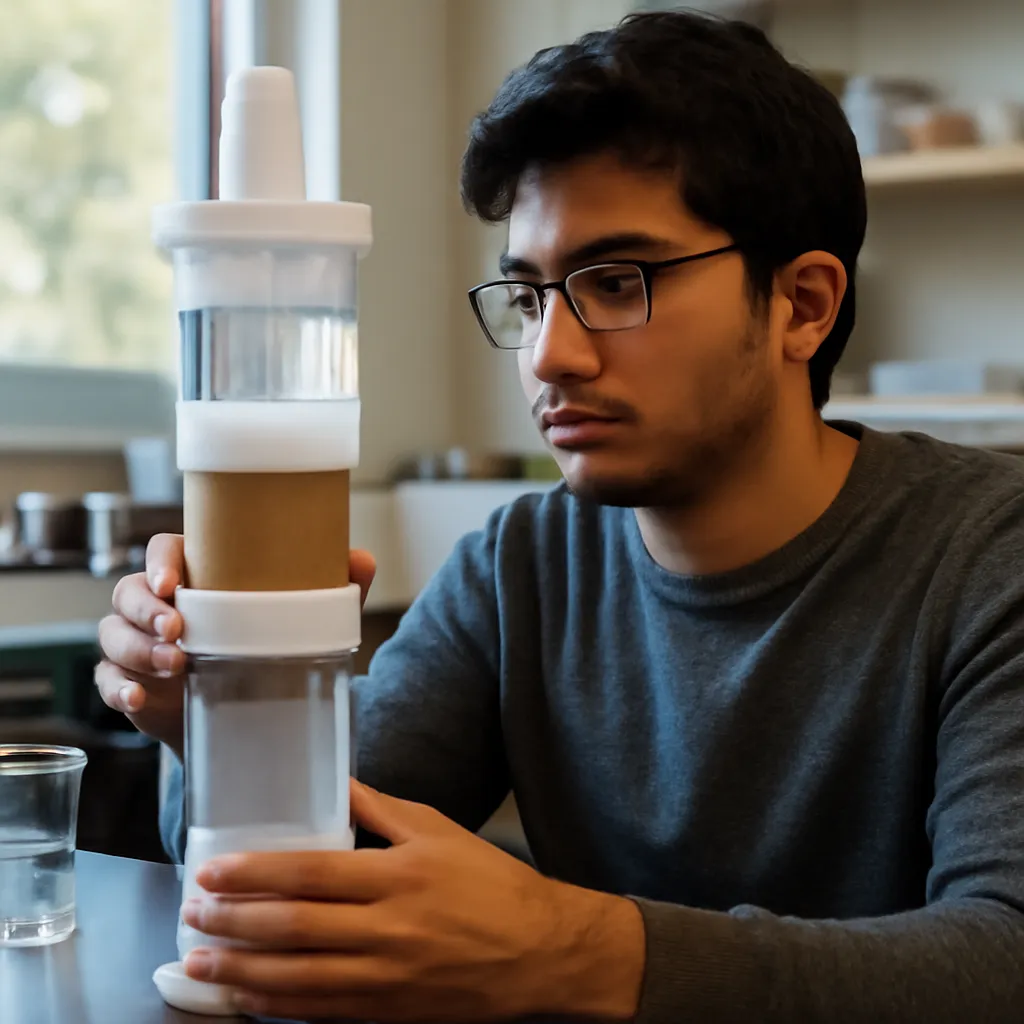
A team from the University of Waterloo has developed a novel water filtration column utilizing 3D printing technology and biodegradable plastic. This innovative system effectively removed 90% of microplastics from contaminated water using gravitational flow, presenting a promising solution to environmental pollution.
Engineering the Filter
The filtration system employs a combination of surface porosity engineering and pressure-sensitive adhesive coatings to capture microplastics. Key features include:
- Material: The filter is made from polylactic acid (PLA), a biodegradable plastic derived from renewable resources like corn and sugarcane.
- Design: Filters are circular discs with a diameter of 39 mm, featuring an offset grid of 1 x 1 mm holes. Stacking these discs creates a complex pathway for water, increasing interaction with the filter surfaces.
Enhanced Removal Efficiency
The research indicates that the initial design struggled with particle retention, achieving only 16% removal of microplastics. Modifications improved performance: 1. Surface Roughness: By incorporating low-molecular-weight polyethylene glycol into the PLA, the researchers created a rougher surface, boosting removal efficiency to 37%. 2. Adhesive Coating: Coating the filters with poly(2-ethylhexyl acrylate) enhanced adhesion, allowing for a 51% removal rate in tests. 3. Column Height: Increasing the number of stacked filters from 8 to 20 raised the removal efficiency to 90%.
Limitations and Future Steps
Despite its success, the system has not been tested with real wastewater and faces challenges regarding filter longevity and reusability. Further studies are needed to assess the filter's performance in practical applications and its effectiveness against various types of microplastics.
The findings were published in a study titled, "3D printed, flow-through water filters for microplastic capture: The effect of surface porosity, column height, and pressure-sensitive adhesives on removal efficiency," by Ethan A. Crawford and Tizazu H. Mekonnen.