
The Impact of 3D Printing on Robotic Component Design and Production
Written with artificial intelligence.
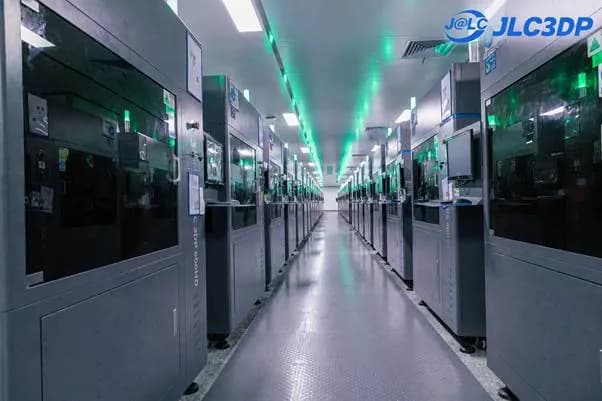
3D printing is revolutionizing the production of robotic parts, allowing for customization and rapid prototyping directly from CAD models. Online platforms like JLC3DP facilitate this process, enabling engineers to select materials and manufacturing methods tailored to their specific needs.
Transforming Robotics with 3D Printing
The evolution of robotics is driving the need for specialized and adaptable components. Traditional manufacturing methods often fall short in delivering the customized parts required for modern robotics, but 3D printing offers a solution. This technology allows engineers to produce parts directly from digital CAD models, making it ideal for prototyping, custom tooling, and low-volume production.
Online 3D Printing Services
For engineering teams lacking in-house additive manufacturing capabilities, services like JLC3DP provide a streamlined process. Engineers can upload CAD files, choose materials, and receive quotes for custom parts. This service supports various industrial printing technologies, including SLA, MJF, SLS, FDM, and SLM, enabling tailored solutions for diverse robotic applications.
Design Flexibility and Efficiency
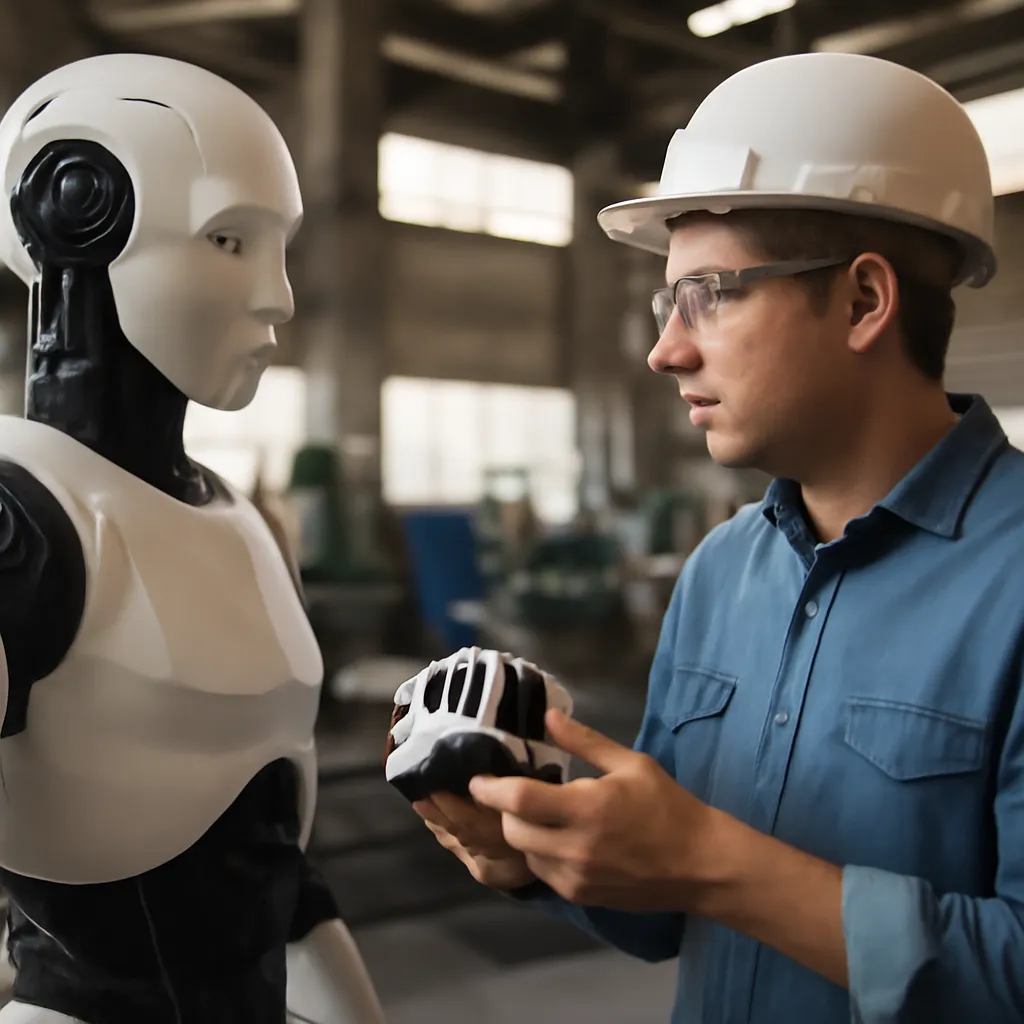
One significant advantage of 3D printing lies in its flexibility during the design process. Engineers can modify designs easily within CAD software and produce revised components without the need for new molds or tooling. This capability is particularly beneficial for applications where robotic systems are still in development.
Considerations for Material and Design
When designing robotic components, factors such as mechanical load, stiffness, and operating environment must guide material selection. For example, grippers may require specific geometries to handle various objects, while sensor housings need precise mounting features. The ability to integrate multiple functions into a single printed component can simplify assembly and enhance performance.
In conclusion, the accessibility and adaptability of 3D printing are reshaping how robotic components are designed and produced. By leveraging platforms like JLC3DP, engineers can focus on innovation while reducing the limitations of traditional manufacturing methods.