SHINING 3D Launches ShiningSpace for Streamlined 3D Scan Data Management
Written with artificial intelligence.
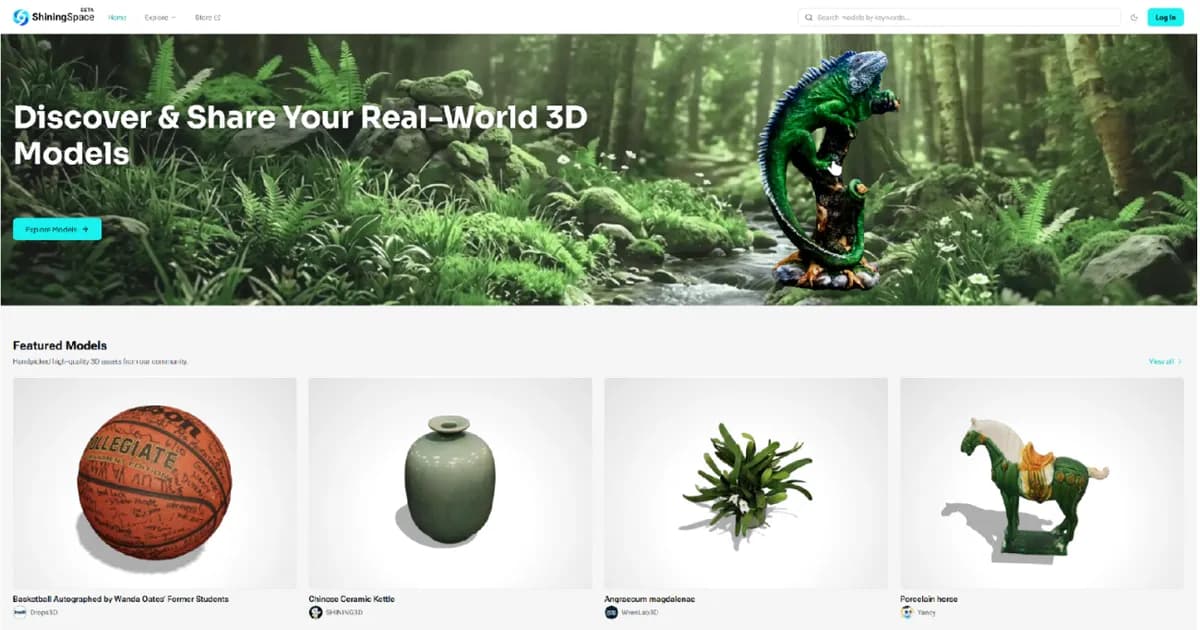
SHINING 3D has introduced ShiningSpace, a browser-based platform designed to help users organize, view, edit, and share 3D scan models efficiently. This solution addresses the common challenge of managing scattered scan data across various storage options.
Introduction to ShiningSpace
Shenzhen-based SHINING 3D has launched ShiningSpace, a new digital platform aimed at enhancing the management of 3D scanning data. This browser-based tool provides users with a centralized location to store, view, edit, and share their scanned models, addressing issues that have arisen as 3D scanning technology has become more accessible.
Features and Functionality
ShiningSpace is designed to minimize the complications often associated with sharing 3D models. It allows users to view their models without needing additional software, supporting various formats including .stl, .obj, .ply, .gltf, .glb, .fbx, and .zip files, with a maximum size of 500 MB per model. Users can switch between ten different viewing modes, including wireframe and X-ray, and perform measurements and model quality checks directly in the browser.
For those using SHINING 3D's EinScan Rigil series scanners, there's the added benefit of syncing directly with their existing Digital Cloud accounts. The platform also includes a browser-based editor for model presentation adjustments and a free library of HDR materials.
Sharing and Privacy Controls
Once a model is prepared, sharing options include generating a public link or QR code, with settings to allow either download access or view-only permissions. This feature is particularly useful for users who wish to maintain control over their intellectual property. Additionally, a copyright infringement reporting policy is implemented to protect users' rights, with compliance to GDPR and other data protection regulations.
Target Audience and Future Developments
SHINING 3D's ShiningSpace is targeted at a wide range of users, including engineering teams, design studios, educators, and digital artists. While the platform has launched, several features are still in development, including a model marketplace and enhanced 3D modeling tools. Early adopters may also benefit from promotional support during the launch phase, which includes exposure and social media promotion.
To keep abreast of advancements in 3D printing, interested individuals can register for upcoming events like the Software 2026 AMA, scheduled for October 22.