
Richmond Habitat for Humanity Demonstrates Mobile 3D Concrete Wall Printing
Written with artificial intelligence.
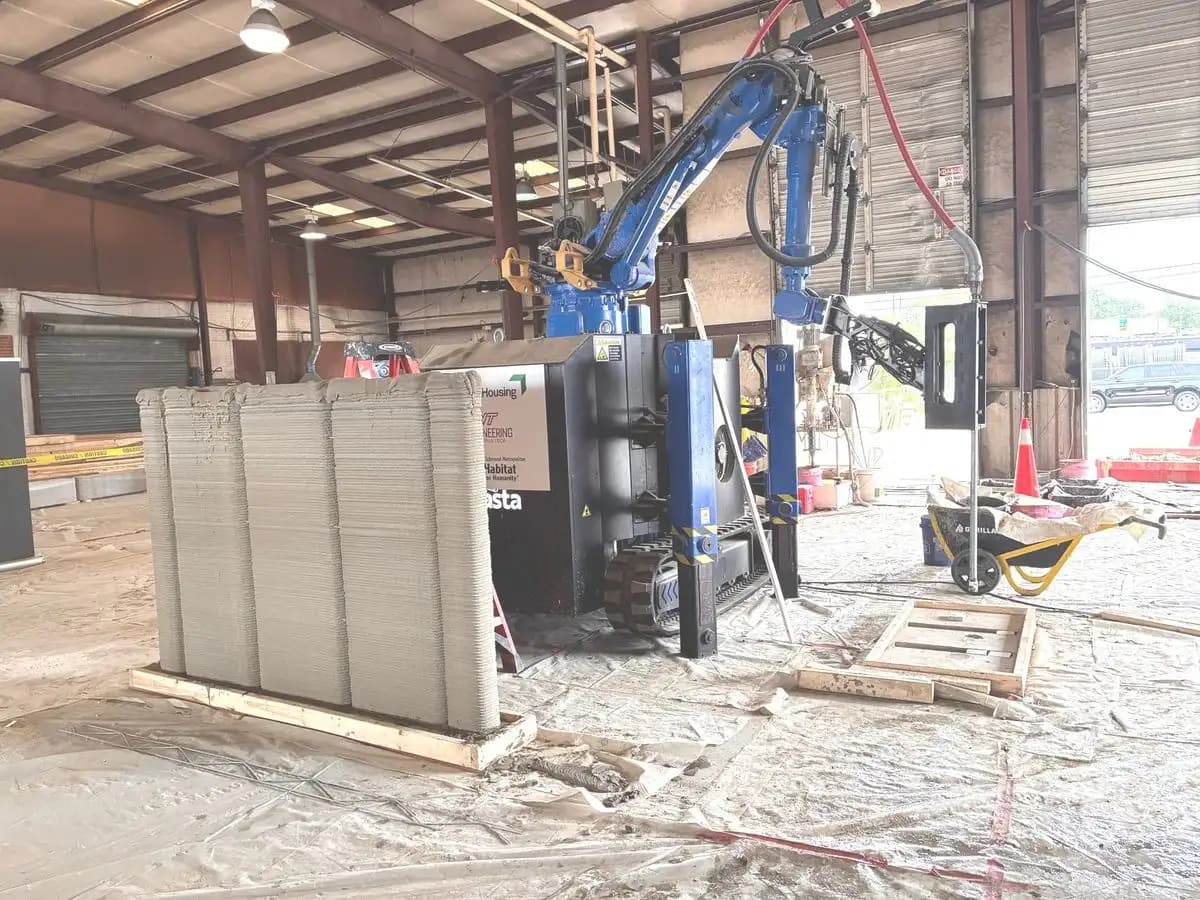
Richmond Metropolitan Habitat for Humanity showcased a mobile 3D concrete wall printer that could transform affordable housing construction. This innovation, supported by a $1.1 million grant, aims to streamline building processes and reduce costs in a new development project.
Innovative Construction Technology
Richmond Metropolitan Habitat for Humanity recently highlighted a game-changing mobile 3D concrete wall printer during a demonstration at their warehouse. This technology is designed to potentially enhance the efficiency and affordability of homebuilding for the nonprofit, which has constructed 400 homes in its 40 years of operation.
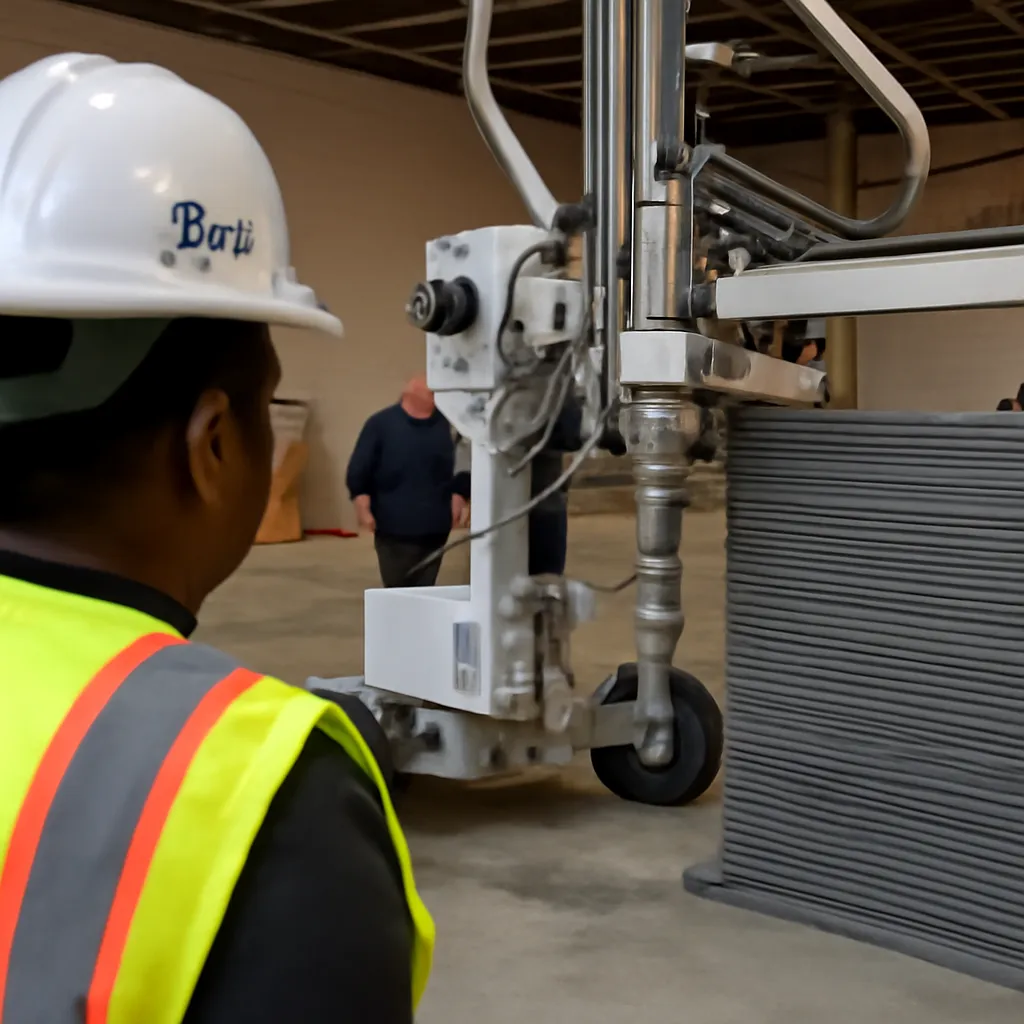
The 3D printer utilizes a geopolymer mixture that hardens in about 20 minutes, allowing for a rapid construction process. This initiative is part of the Carter Place I project in Eastern Henrico County, supported by a $1.1 million grant from Virginia Housing and the Henrico County Affordable Housing Trust Fund. The printer can create walls ranging from six to eight feet tall, promising to streamline the construction process significantly.
Collaboration for Future Housing
Richmond Habitat is partnering with Tvasta, a 3D printer manufacturer from Chennai, India, along with researchers from Virginia Tech, to explore cost-effective construction methods. The goal is to reduce reliance on skilled labor, with the new technology allowing fewer workers to produce walls efficiently. COO Matt Waring emphasized that, unlike traditional cinder block construction, this method requires only two to three people, thereby addressing labor shortages.
The printed walls are made from a mixture that includes 90% recycled materials, providing benefits such as improved thermal insulation and disaster resilience. These features are essential for creating affordable housing that is durable and low-maintenance.
Community Engagement and Future Plans
Virginia Tech researchers are working to establish building code standards for this technology, ensuring its accessibility to builders. Habitat for Humanity plans to relocate the 3D printer to the Carter Place I site within three weeks, where volunteer opportunities are available for individuals aged 16 and older.
As of now, three homes in the development remain available, with future homeowners required to contribute 100 hours of sweat equity during construction. Richmond Habitat aims to address rising housing costs and increase inventory through innovative building methods, including modular housing solutions.