
Purdue University Introduces Affordable 3D Printed Groundwater Sensors
Written with artificial intelligence.
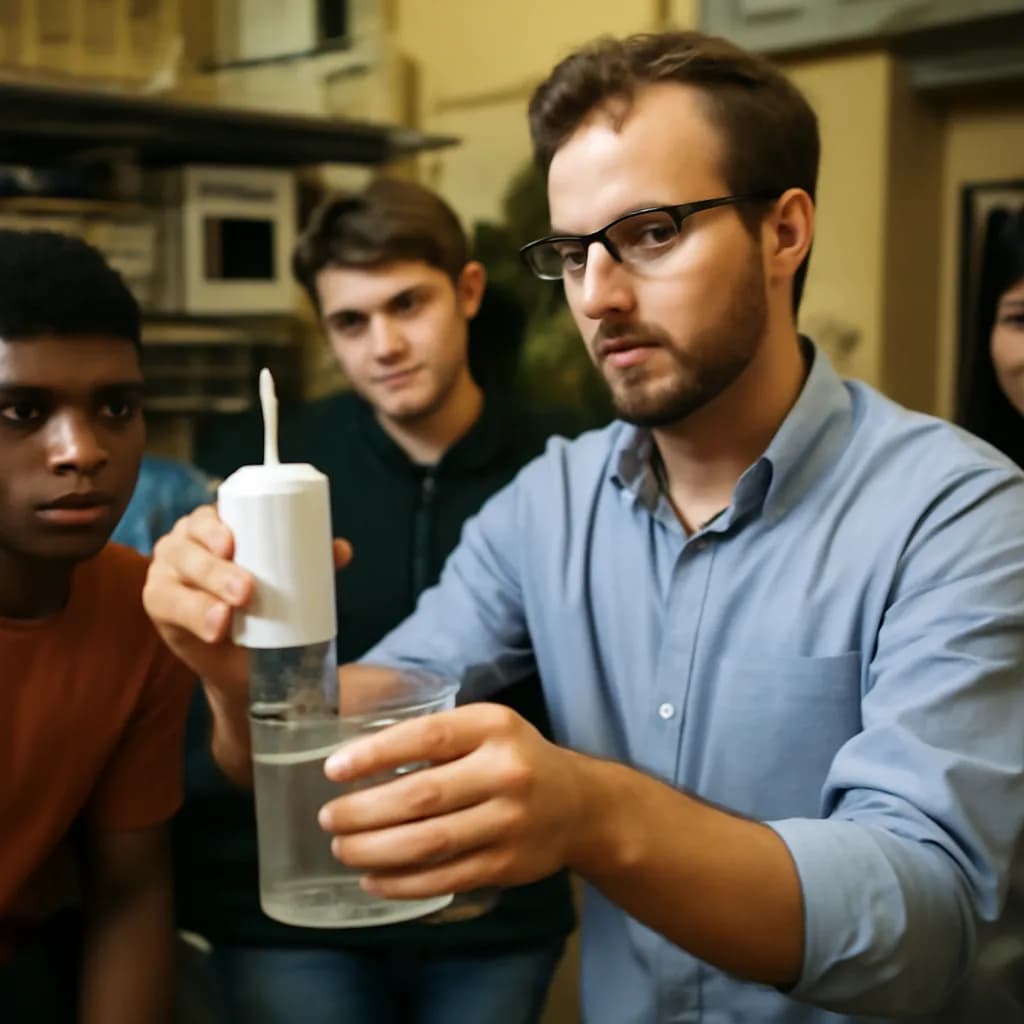
Researchers at Purdue University have created low-cost groundwater sensors using 3D printing technology. This innovation aims to enhance the study of subsurface water flow while providing practical experience for students.
Affordable Groundwater Monitoring
Researchers at Purdue University have developed an economical alternative to traditional groundwater sensors, facilitating improved studies of water movement underground. This initiative leverages 3D printing technology and open-source designs to broaden access to essential environmental monitoring tools.
Led by Jacob Hosen, an assistant professor in the Department of Forestry and Natural Resources, the project involves a team that has designed sensors capable of measuring both the speed and direction of groundwater flow. The sensors are equipped with circuit boards and temperature sensor arrays, all housed in 3D-printed cases that mimic natural soil conditions, ensuring accurate data collection without disturbing the water flow.
Key Features and Benefits
One notable advantage of this new technology is its affordability. The team sources components from a limited number of U.S.-based vendors and handles most assembly in-house using a 3D printer and a modified toaster oven, costing only a few hundred dollars per unit. Hosen emphasizes that this method is not commonly feasible in most ecological labs.
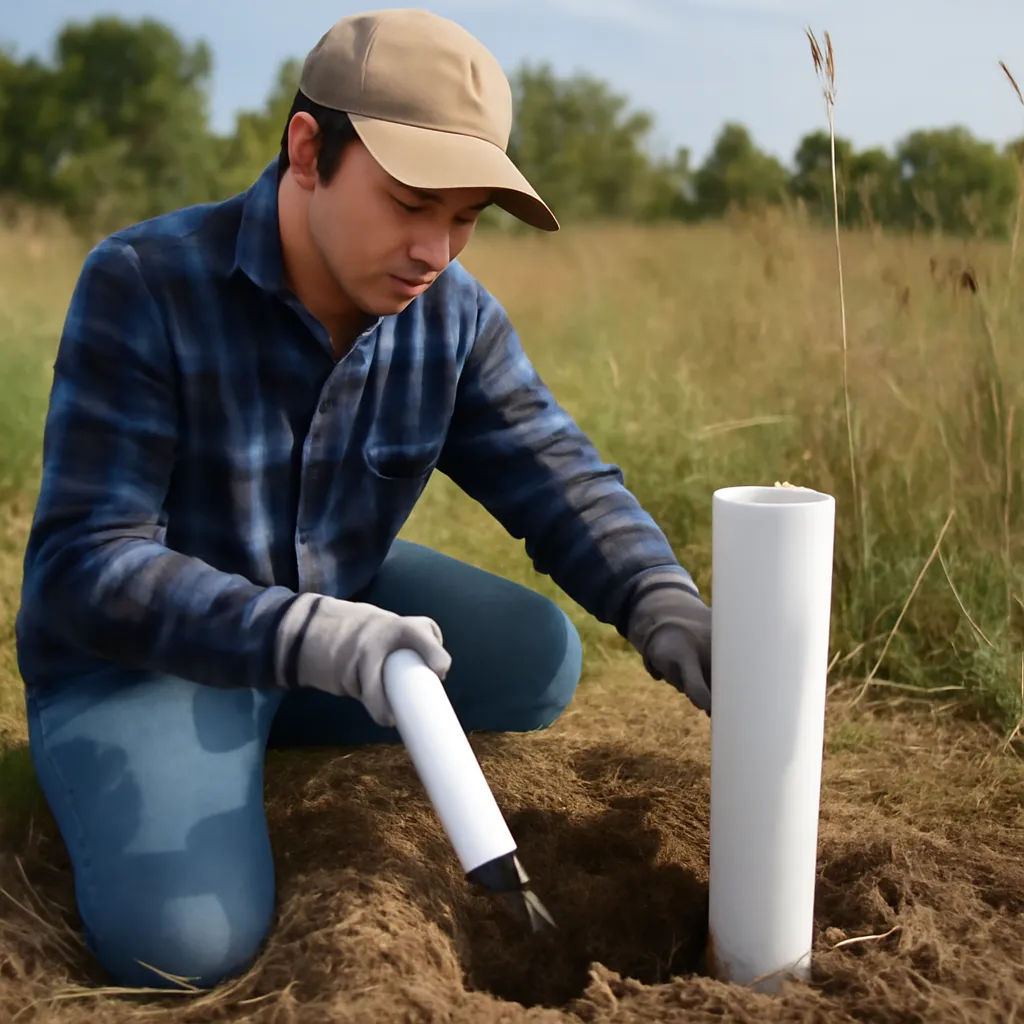
The project also serves as a valuable educational opportunity for students, offering hands-on experience in circuit board assembly, 3D printing, and prototype development. Durability tests have shown that the sensors can function underwater for seven to eight months without failure and can transmit data wirelessly via LoRa networks while also storing it locally.
Field Testing and Applications
These sensors are set to undergo field testing at various monitoring sites and can be utilized for groundwater tracking, wetland research, contamination studies, infrastructure assessments, and water management projects. Hosen concludes that this innovation represents a significant step forward in aligning research needs with practical infrastructure solutions in university settings.