Primo3D Develops Machine to Convert Plastic Waste into 3D Printing Filament
Written with artificial intelligence.
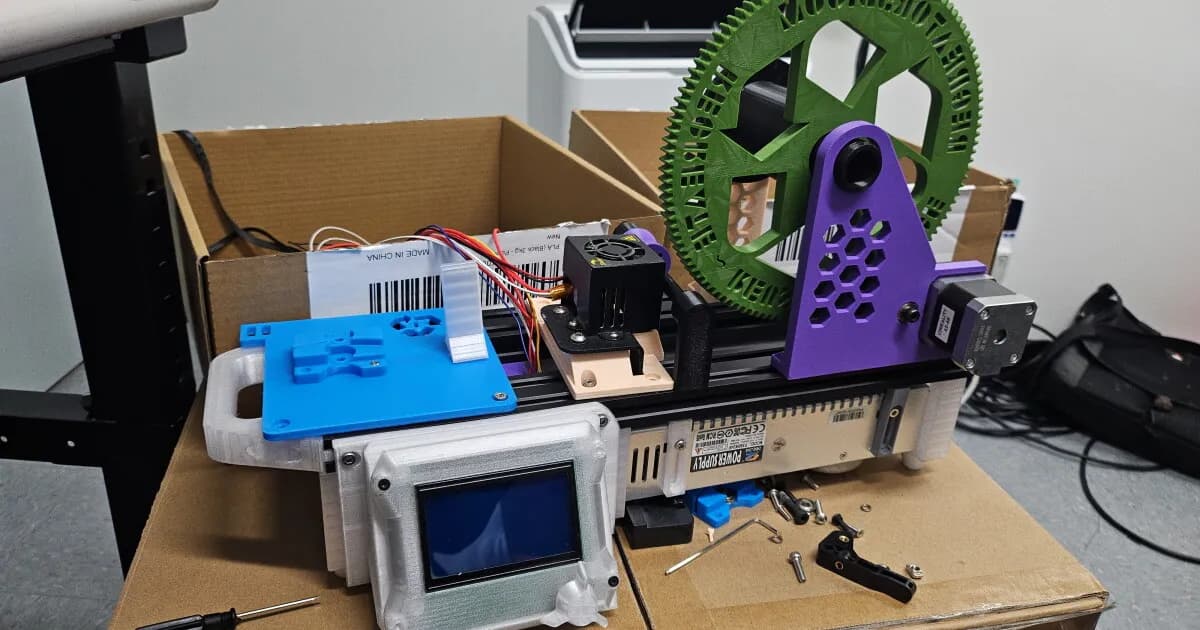
Primo3D, a business in Frederick County, is testing a machine designed to transform waste plastic into filament suitable for 3D printing. With a $5,000 grant from Amazon, founder Drew Primo aims to establish a recycling program in collaboration with local businesses and engage the community in waste reduction efforts.
Innovative Recycling Solution
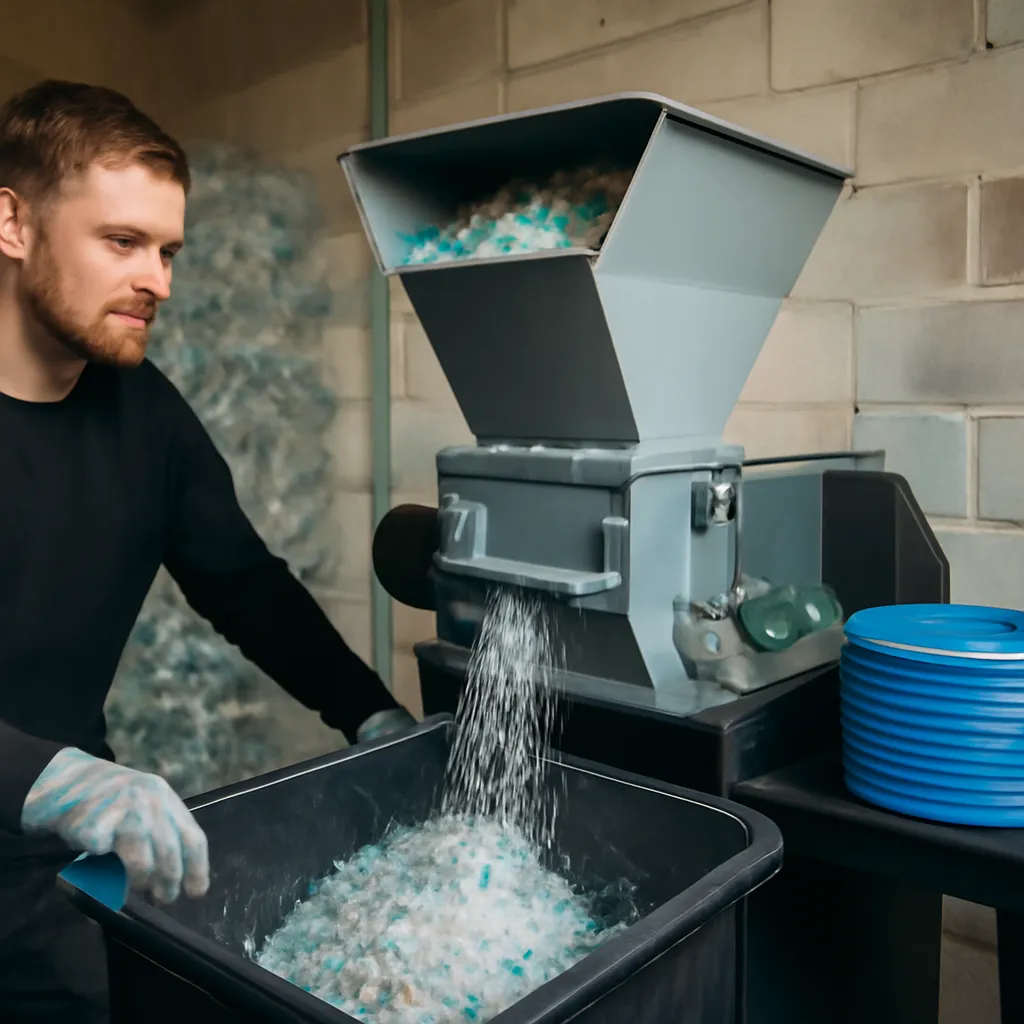
Primo3D is pioneering a machine that converts waste plastic into recycled filament for 3D printers, aiming to address environmental concerns through upcycling. The process involves shredding plastic into ribbons, heating it to soften, and then using a method called "pulltrusion" to create thin cords of filament, which are typically around 1.75 mm in diameter.
Focus on PETG
The company is concentrating on polyethylene terephthalate glycol (PETG), a common material in 3D printing. Drew Primo, who founded the company during the Covid-19 pandemic, has learned about the significant waste generated by 3D printing, particularly when extra support materials are required for printing objects that cannot sustain their own weight. Research indicates that PETG can be recycled multiple times, though its strength may decline with each cycle unless mixed with virgin plastic.
Community Engagement
With assistance from a $5,000 grant from Amazon, Primo3D is collaborating with Meredith's Good Luck Tavern in Buckeystown to launch a recycling pilot program. The initial phase involves testing the machine with 50 pounds of waste plastic sourced from the tavern. Primo emphasizes the challenge of acquiring used plastic, as it is a commodity that is often contracted out to specific companies, which is why he aims to work directly with local businesses and the community.
Future Aspirations
Primo envisions expanding this program to serve the entire Frederick area, creating a system where residents and businesses can drop off plastic waste and receive credits in return, similar to historical glass bottle buy-back programs. He hopes to scale operations significantly, with industrial equipment capable of processing 50 bottles per hour. Ultimately, the results of the testing will be shared with the public, alongside community workshops designed to educate residents on this innovative recycling initiative.