
OpenCAL: A DIY Volumetric 3D Printer from UC Berkeley
Written with artificial intelligence.
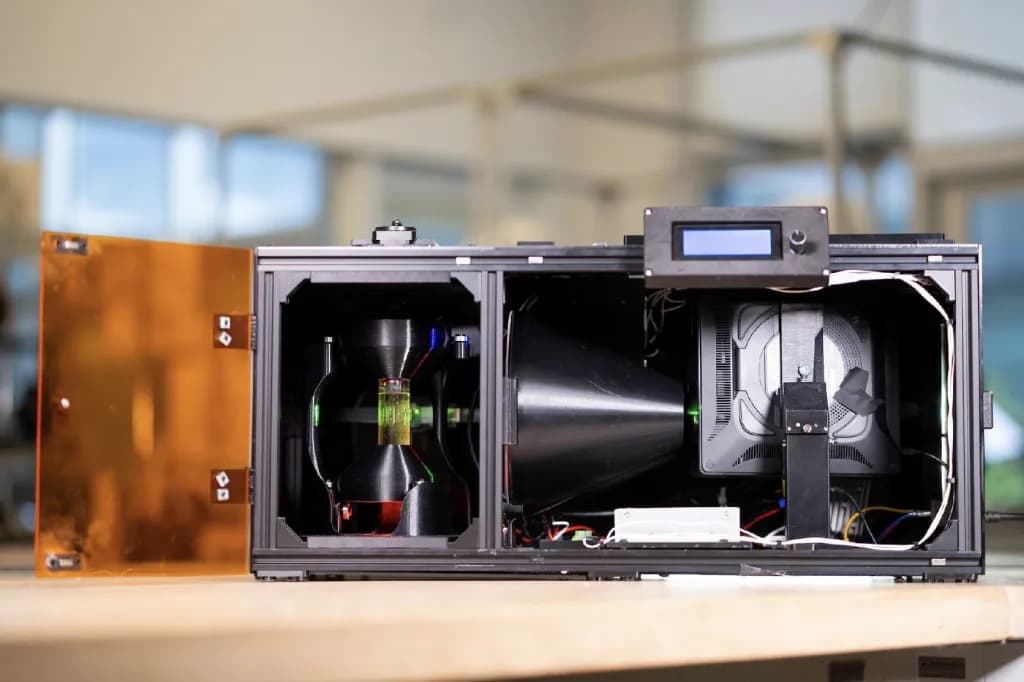
Researchers at UC Berkeley have unveiled OpenCAL, a DIY volumetric additive manufacturing printer that can create whole parts in around 90 seconds for approximately $1,600. This open-source printer utilizes a novel process called Computed Axial Lithography, making it accessible for a wider audience and encouraging community contributions.
Introduction to OpenCAL
Researchers at the University of California, Berkeley have officially launched OpenCAL, a build-it-yourself volumetric additive manufacturing (VAM) printer. This innovative machine is capable of solidifying complete parts in a rotating vial of resin in just about one minute and can be assembled for roughly $1,600. The project aims to democratize the technology, making it available to hobbyists, educators, and researchers alike.
Technology Behind OpenCAL
OpenCAL operates on a technique called Computed Axial Lithography (CAL), which was developed in 2017 by Professor Hayden Taylor's lab in collaboration with scientists from Lawrence Livermore National Laboratory. The printer utilizes a projector to send calculated light patterns into a spinning vial of photosensitive resin, allowing for the simultaneous formation of an object without layers or support structures. This method has recently seen applications in fields like bioprinting and space manufacturing.
Key Features and Accessibility
The OpenCAL V2 features a consumer LED projector, a Raspberry Pi 5, and is constructed with an aluminum frame and acrylic panels. Assembly is straightforward, taking about five to six hours, with comprehensive documentation available online. The printer uses commercially available OpenCAL Resin, produced by Formlabs and sold by Prusa Research. Notably, all components of the printer are shared under an open-source license, allowing for further development and community engagement.
Community and Educational Impact
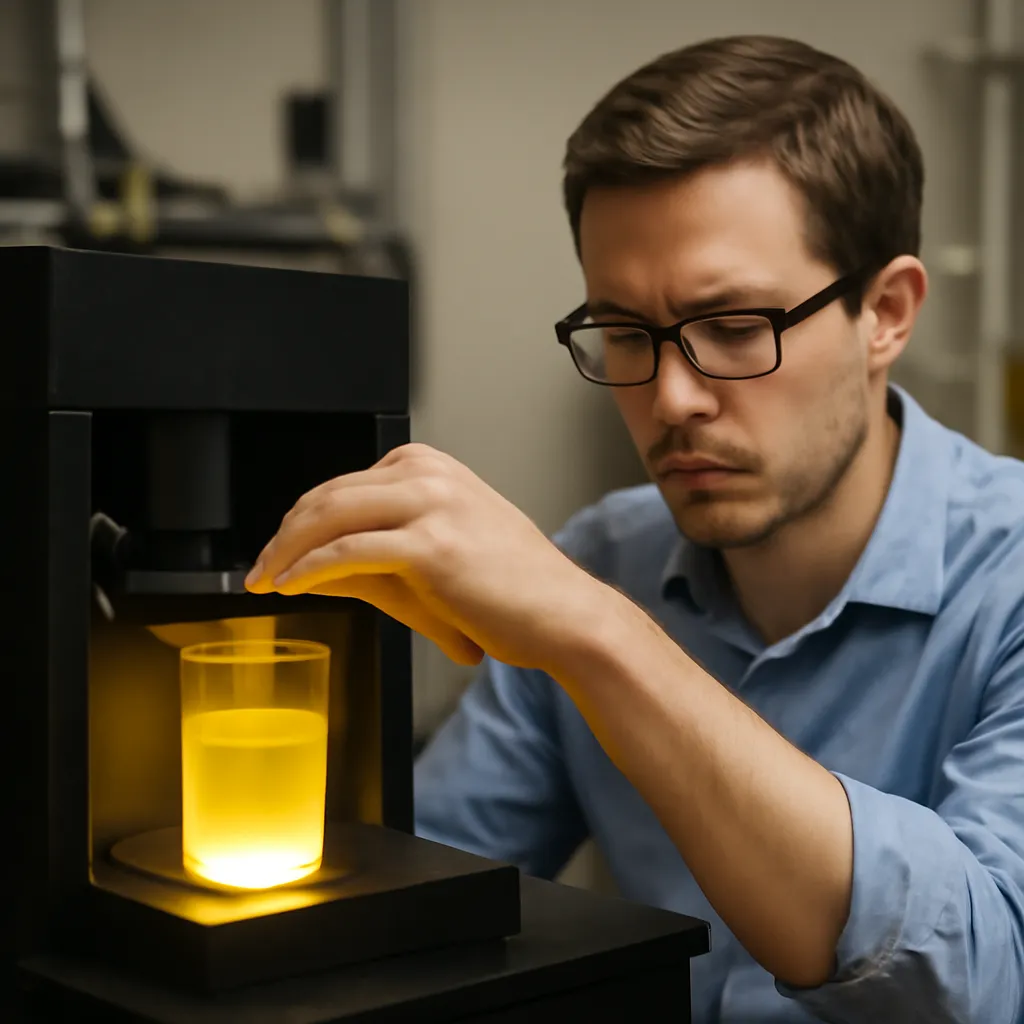
The Berkeley team has engaged various universities and makerspaces in pilot testing, with machines already operational at institutions such as MIT and Purdue University. In February 2027, Berkeley will host a workshop aimed at building OpenCAL printers, further fostering a community around this open-source technology.
Conclusion
With OpenCAL, researchers and enthusiasts can now explore volumetric printing beyond traditional constraints, contributing to an evolving landscape of additive manufacturing. The collaborative effort reflects a growing trend towards open-source hardware, encouraging innovation and accessibility in 3D printing technologies.