OpenAI's GPT-6 Astra Revolutionizes CAD Reconstruction for Additive Manufacturing
OpenAI has introduced GPT-6 Astra, a model capable of reconstructing CAD geometry from photos, marking a significant advancement for additive manufacturing. This technology could streamline the design process, allowing for more efficient workflows in creating editable CAD files from 3D scans and images.
OpenAI Unveils GPT-6 Astra
OpenAI has launched GPT-6 Astra, which includes a benchmark called BenchCAD that evaluates the model's ability to reconstruct 3D objects into editable CAD code from just a few photographs. This capability is crucial since CAD files are essential for 3D printing and other manufacturing processes.
BenchCAD Performance
Astra achieved a remarkable score of 95.9% on the BenchCAD benchmark, significantly improving from the previous model, GPT-5.6 Sol, which scored 83.3%. This performance indicates a leap in the ability to generate CAD code that can be edited and parametrized, rather than just producing static meshes. OpenAI plans to roll out Astra to a select group of organizations and expand access to various user tiers and developers in the coming days.
Impact on Additive Manufacturing
The ability to generate parametric CAD directly from images addresses a longstanding challenge in additive manufacturing (AM). The transition from a static mesh to editable geometry is essential for efficient design and production workflows. While Astra's results come from rendered images, future tests will measure how it performs with real-world scanned data, which is essential for practical applications.
Addressing the Scan-to-CAD Bottleneck
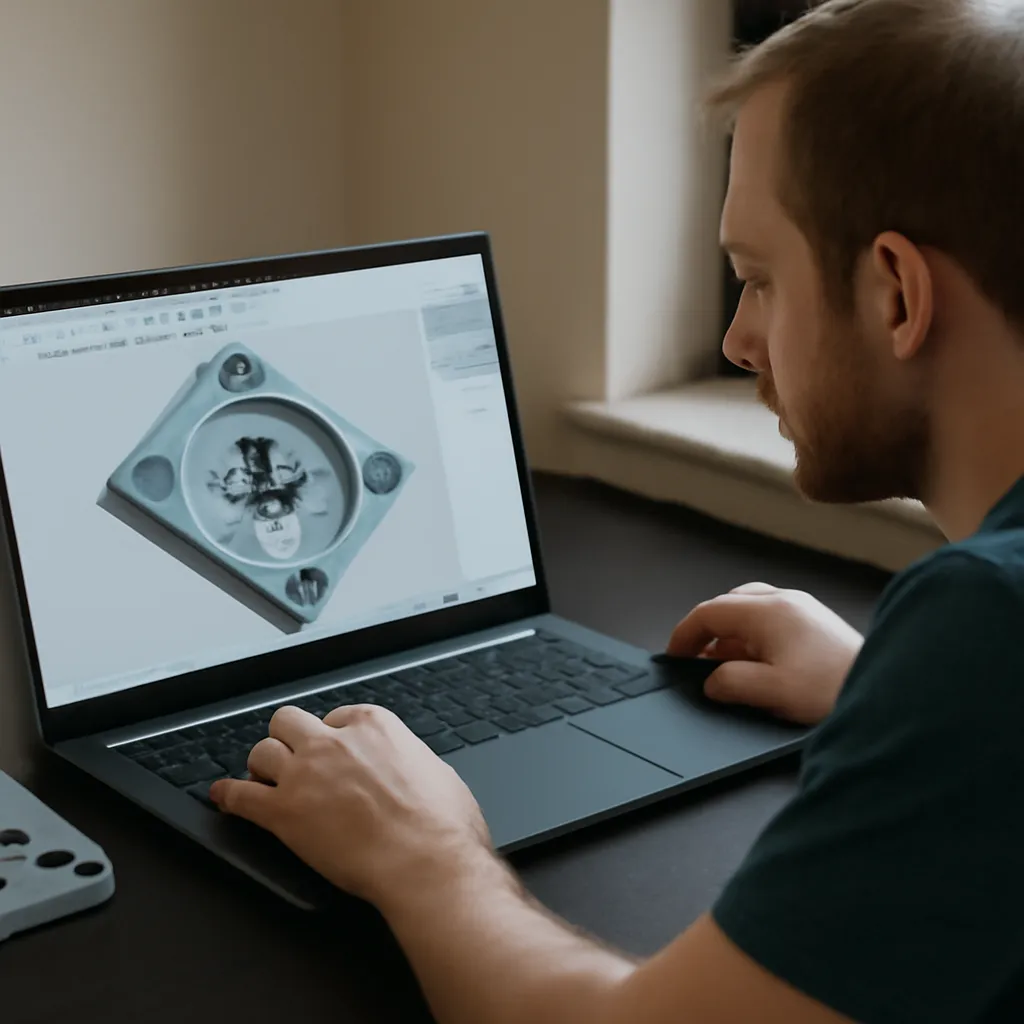
The introduction of Astra aligns with ongoing efforts in the AM industry to streamline the scan-to-CAD process. Companies like Backflip and Creality are already focused on this issue, developing solutions that significantly reduce costs and time involved in converting scanned data into usable CAD files. Astra's advancements suggest that the gap between scanning and CAD software is closing, which is critical for the future of additive manufacturing.
Conclusion
OpenAI's GPT-6 Astra represents a significant step forward in the integration of AI with CAD workflows, potentially transforming how designers and manufacturers approach additive manufacturing. As the technology evolves, it will be important to monitor its application in real-world scenarios and its impact on the industry.