
Miami University Secures NSF Grant for Sustainable Machining of 3D Printed Carbon Fiber Parts
Written with artificial intelligence.

Miami University has received a $200,000 grant from the NSF to explore environmentally friendly machining methods for finishing 3D printed carbon fiber reinforced polymer (CFRP) parts. The research aims to enhance the sustainability of manufacturing processes without compromising the strength of CFRP components used in demanding applications.
Grant Overview
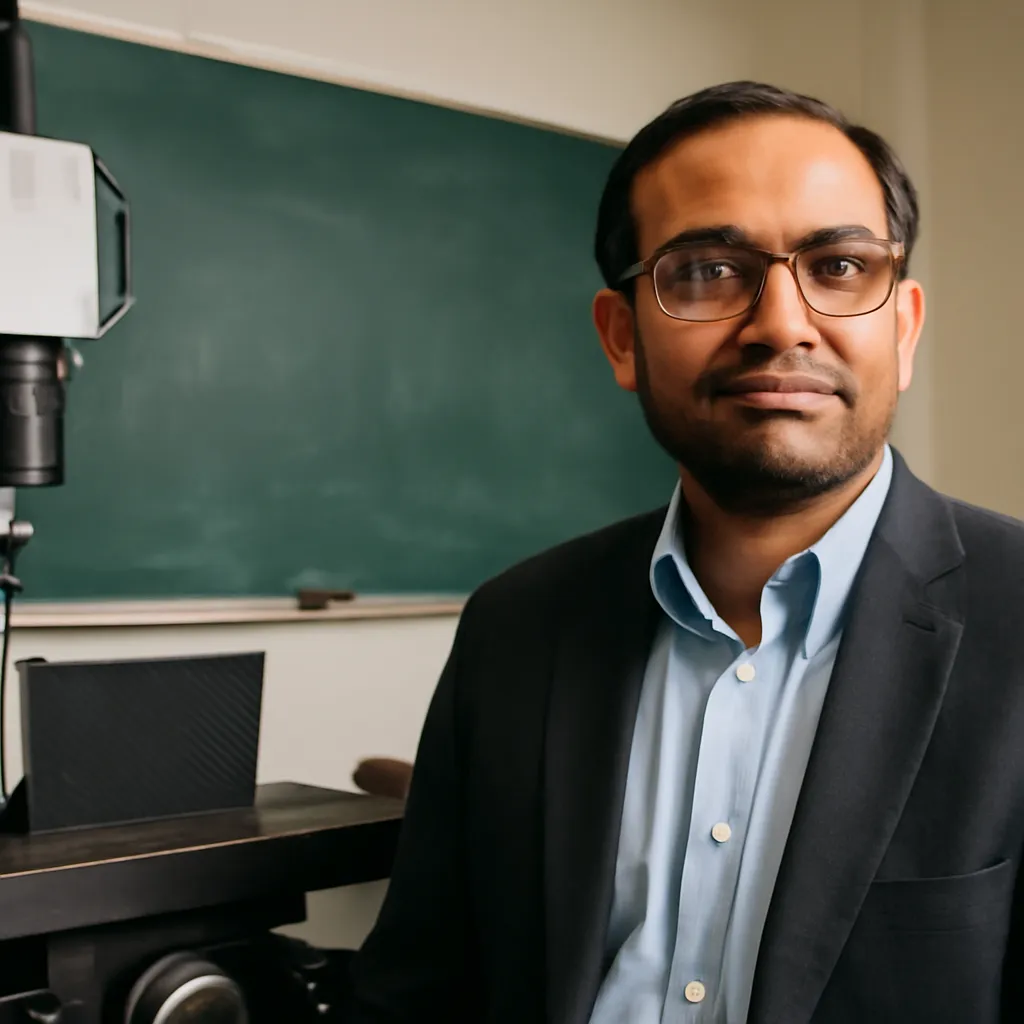
Miami University, led by engineer Muhammad Jahan, has been awarded a $200,000 grant from the National Science Foundation (NSF) to investigate greener machining techniques for finishing carbon fiber reinforced polymer (CFRP) parts. This project focuses on improving the manufacturing process for components used in aircraft, automotive, and construction industries.
Research Goals
While additive manufacturing can produce CFRP parts close to their final dimensions, these components often require additional machining to achieve the necessary surface finish and dimensional accuracy. The goal of Jahan's research is to develop sustainable machining methods that utilize less energy and fewer resources while maintaining the integrity and performance of CFRP materials. The team will evaluate three techniques:
- Dry machining
- Minimum quantity lubrication
- Cryogenic coolant machining
Importance of CFRP
CFRP is a lightweight yet strong material, making it highly valuable in high-performance industries. Successful implementation of sustainable machining practices could significantly impact the way these components are produced, thereby promoting environmentally friendly manufacturing processes.
Educational Benefits
The NSF grant, awarded in June 2026, will also support research positions for undergraduate and graduate students in engineering. This initiative provides students with hands-on experience in advanced manufacturing and research, allowing them to tackle real-world manufacturing challenges. Jahan emphasizes the collaborative aspect of the project, where undergraduate students can benefit from the mentorship of graduate students, fostering a productive learning environment.