
Mears Machine Corp Expands 3D Printing Capabilities with New Velo3D Sapphire XC
Written with artificial intelligence.
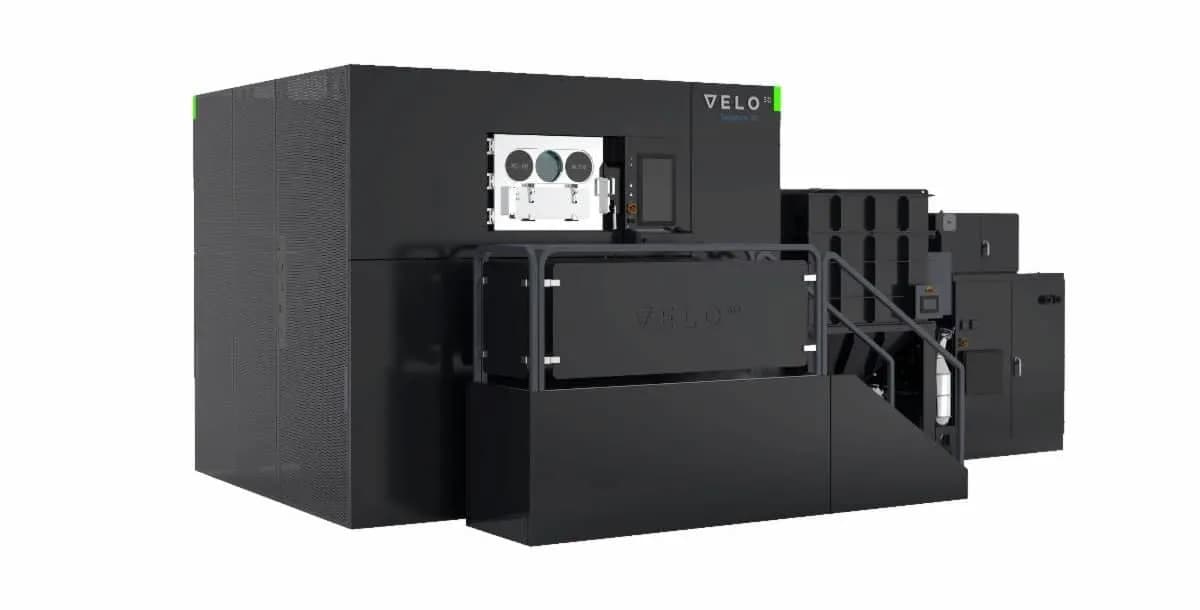
Mears Machine Corporation has ordered its sixth Velo3D Sapphire XC metal 3D printer, which will focus on producing components using copper-nickel alloy. This addition aims to enhance their offerings in industries like shipbuilding and offshore operations.
Mears Machine Corporation's New Additive Manufacturing Initiative
Mears Machine Corporation, known for its precision machining and metal additive manufacturing, is set to expand its capabilities with the installation of a sixth Velo3D Sapphire XC metal 3D printing system. This new printer will be dedicated to working with copper-nickel (CuNi) alloy, specifically a 70-30 composition that is recognized for its robust mechanical and thermal properties across a wide temperature range, as well as its corrosion resistance in seawater.
CuNi's versatility makes it an ideal choice for applications in shipbuilding, seawater cooling, condensers, and heat exchangers. By adding this Sapphire XC, Mears aims to complement its existing fleet, which already supports customer programs utilizing materials like Inconel 718, Haynes 282, and CP1 aluminium.
Each Sapphire XC will utilize Velo3D's Flow print preparation and Assure quality reporting software, ensuring standardized process controls and consistent output across machines. This integration helps maintain high standards of quality and efficiency in production.
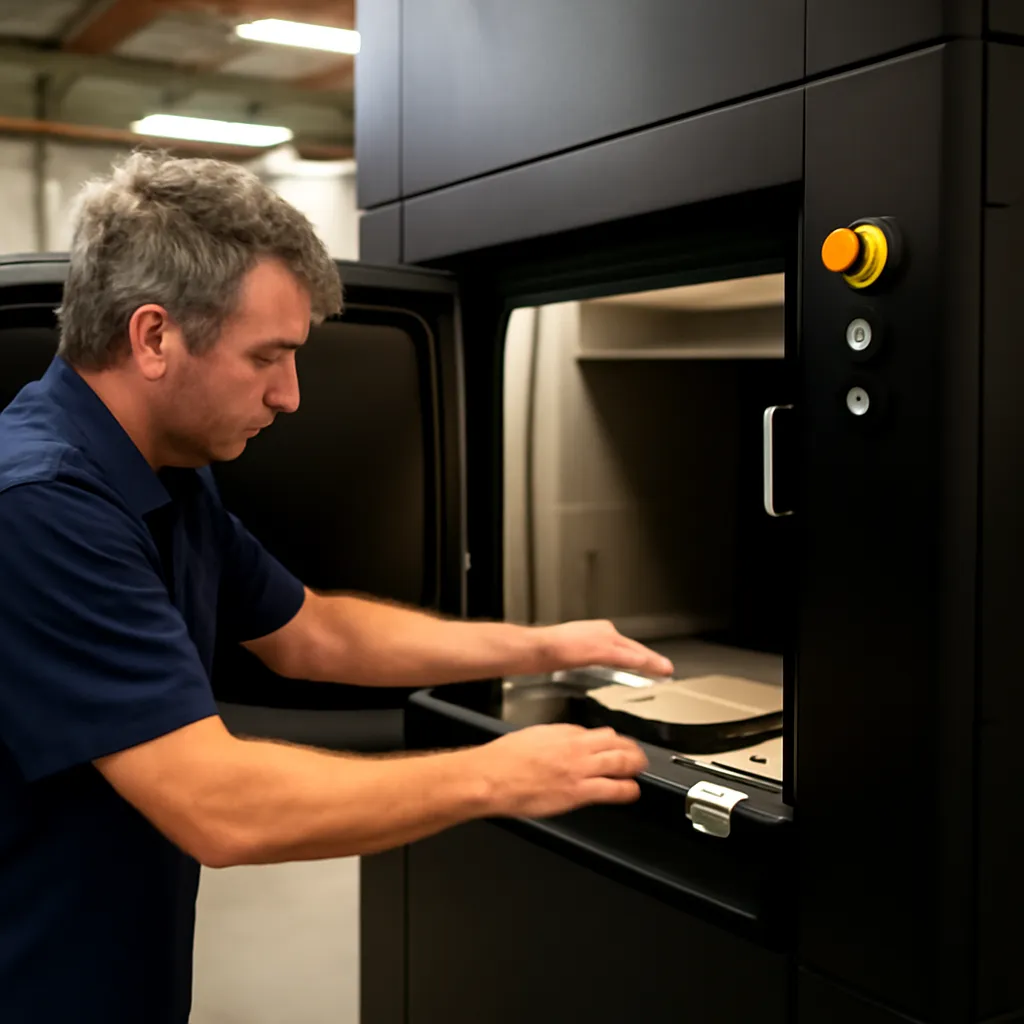
According to James Lloyd, CEO of Mears Machine Corporation, the strategic decision to enter the copper-nickel additive manufacturing market is part of a larger vision to create a vertically integrated supply chain solution. This approach allows customers to receive comprehensive support from additive design through to final inspection within a single facility, streamlining the manufacturing process.
Arun Jeldi, CEO of Velo3D, emphasized the significance of Mears' addition of a sixth Sapphire XC, demonstrating their confidence in expanding production capabilities while meeting the growing demand for copper-nickel components, particularly in shipyards and offshore industries in the United States.