
Introduction of DIAL 3D Printing Technology
Written with artificial intelligence.
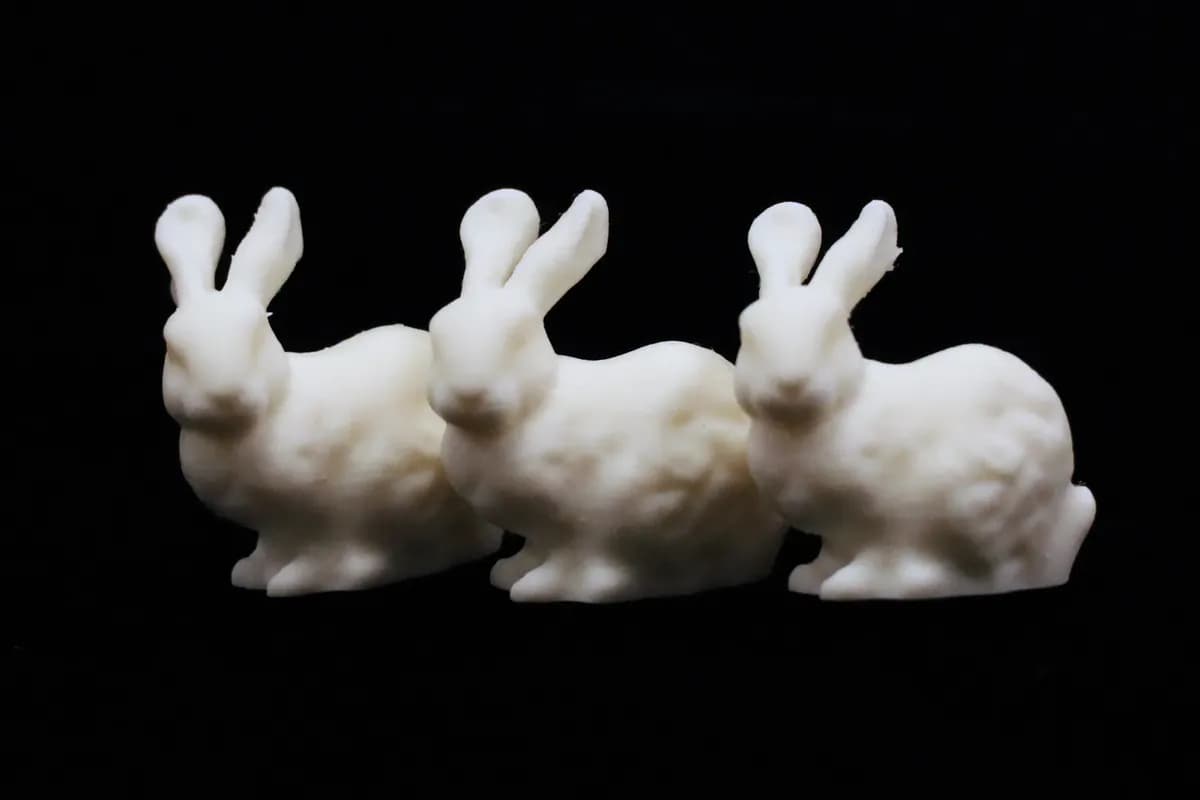
Researchers at Northwestern University have developed a new 3D printing technique called direct ink additive lithography (DIAL), which allows for the creation of complex parts using paste-like inks hardened by light. This innovative method has potential applications across various fields, including aerospace, robotics, and medicine.
Overview of DIAL Technology
Direct ink additive lithography (DIAL) is a novel 3D printing process that applies paste-like inks in layers and solidifies them using light. Researchers from Northwestern University detailed their findings in the journal Science Advances, highlighting the potential of DIAL to create parts that traditional 3D printing methods struggle to produce.
Advantages and Applications
According to Ryan Truby, an assistant professor at Northwestern's McCormick School of Engineering, DIAL could surpass the capabilities of existing 3D printing techniques like material extrusion and Direct Ink Write, producing more intricate details akin to vat polymerization. The versatility of DIAL allows it to utilize a range of materials, including structural electrolytes for batteries and hydrogels for tissue engineering, making it applicable in various sectors such as:
- Aerospace
- Robotics
- Energy storage
- Custom medical devices
Printing Process
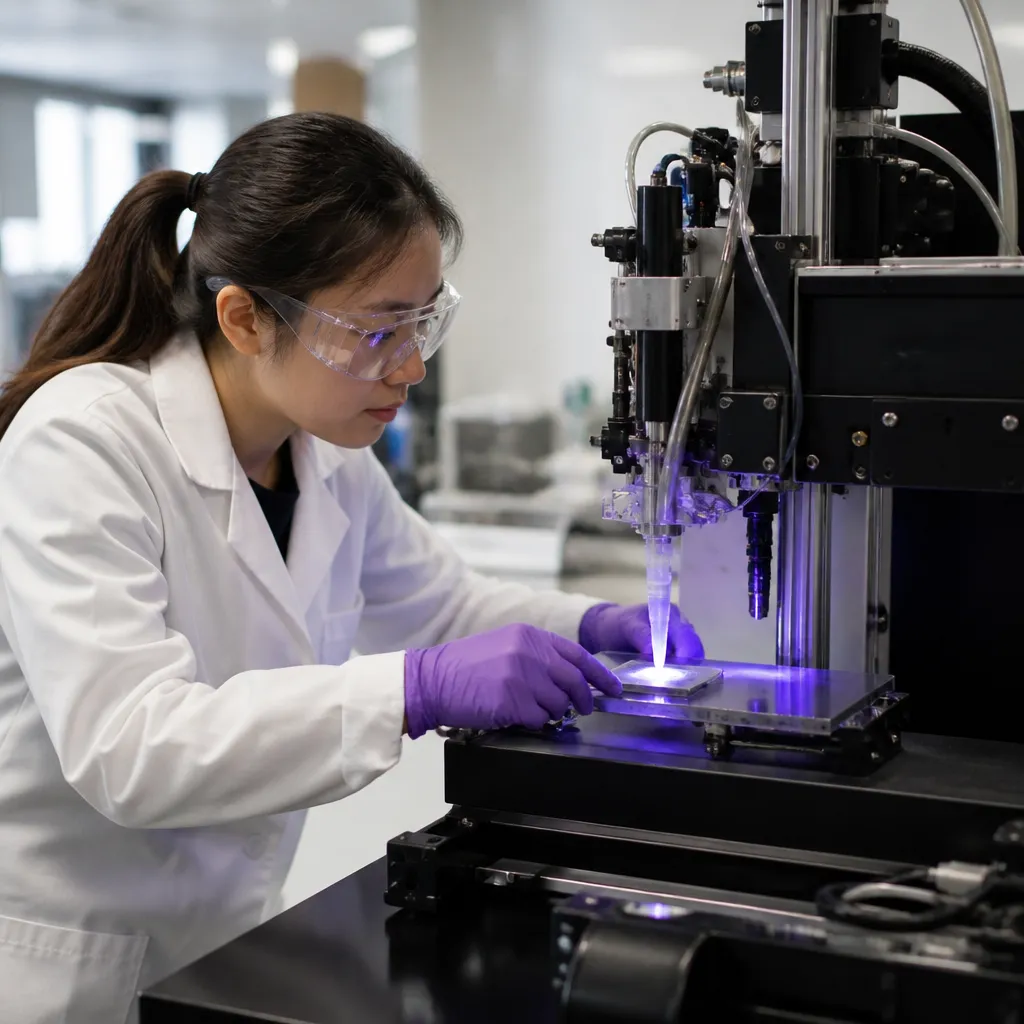
The DIAL process involves extruding inks through a slot-die nozzle onto a print bed, smoothing them into layers of 50 microns, and using a light source to selectively harden the material. Notably, the inks can serve as structural supports, eliminating the need for separate scaffolding, thus preserving the integrity of delicate features during printing and post-processing.
Future Prospects
Initial tests have demonstrated the ability to create parts with wall thicknesses of 150 microns and even larger structures by adjusting the projection head. Truby emphasizes the need for advancements in software, hardware, and inks to fully realize the potential of DIAL. The team aims to develop materials and structures suitable for extreme environments, such as those found in space travel, and to innovate in medical applications and biomanufacturing.
The implications of DIAL could reshape the landscape of 3D printing, opening doors to new possibilities in design and functionality. As the technology progresses, its viability for everyday production remains to be seen.