
GADC Acquires Robotic 3D Printer for Greenland Manufacturing
Written with artificial intelligence.
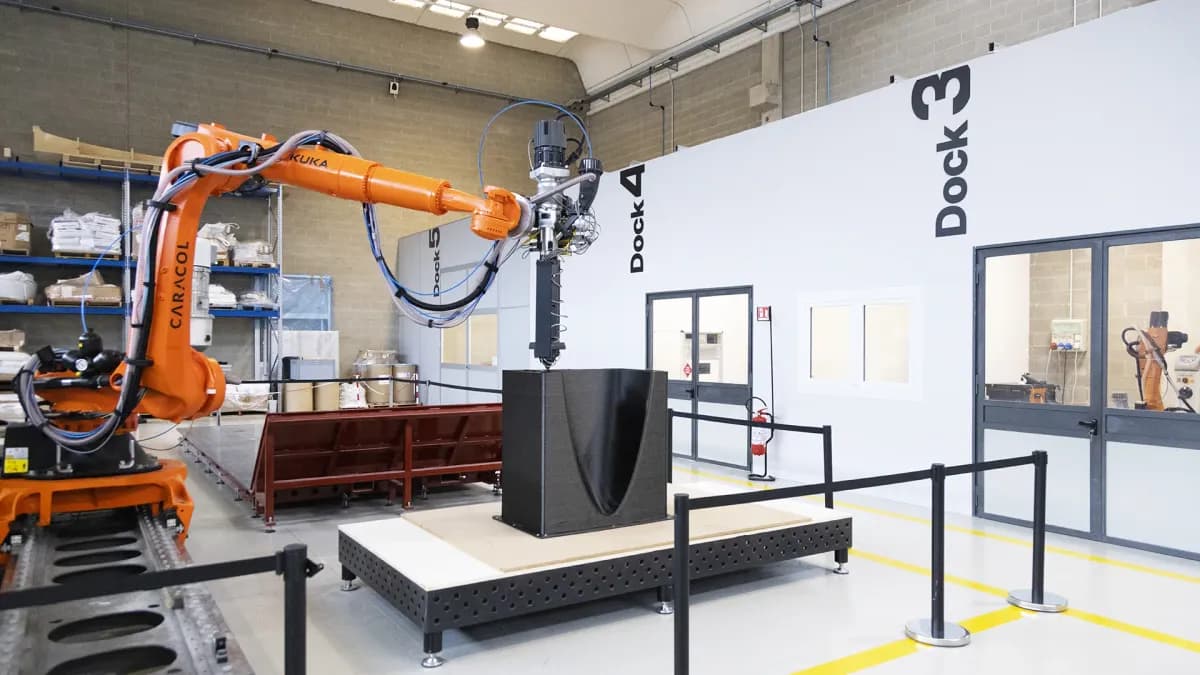
The Greenland Arctic Development Corp (GADC) has purchased a Caracol Heron 400 robotic 3D printer, initially to be tested in Chicago before deployment in Greenland. This initiative aims to establish local manufacturing capabilities, reducing reliance on imported goods in the Arctic region.
GADC's New 3D Printing Initiative
The Greenland Arctic Development Corp (GADC) has acquired a Caracol Heron 400, a rail-based, six-plus-axis robotic 3D printer designed for producing large polymer and composite components. The printer will first be installed and tested in Chicago, with plans to eventually bring it to Greenland.
The primary goal of this initiative is to create a local manufacturing business that can produce essential parts and products within Greenland, minimizing the need for long-distance shipping. GADC intends to collaborate with a Greenlandic entrepreneur, providing technical training and support to help establish a joint venture for operating the printer.
Features of the Heron 400
The Heron 400 boasts a robotic arm with a reach of about four meters and over 10 meters of travel along the X-axis. It utilizes thermoplastic pellets and fiber-reinforced composites, allowing for complex geometries without extensive support structures. Potential applications include:
- Furniture
- Marine components
- Replacement parts for boats, ATVs, and snowmobiles
- Construction elements
These products are often low-volume and can be costly or time-consuming to obtain through traditional supply chains.
Training and Future Plans
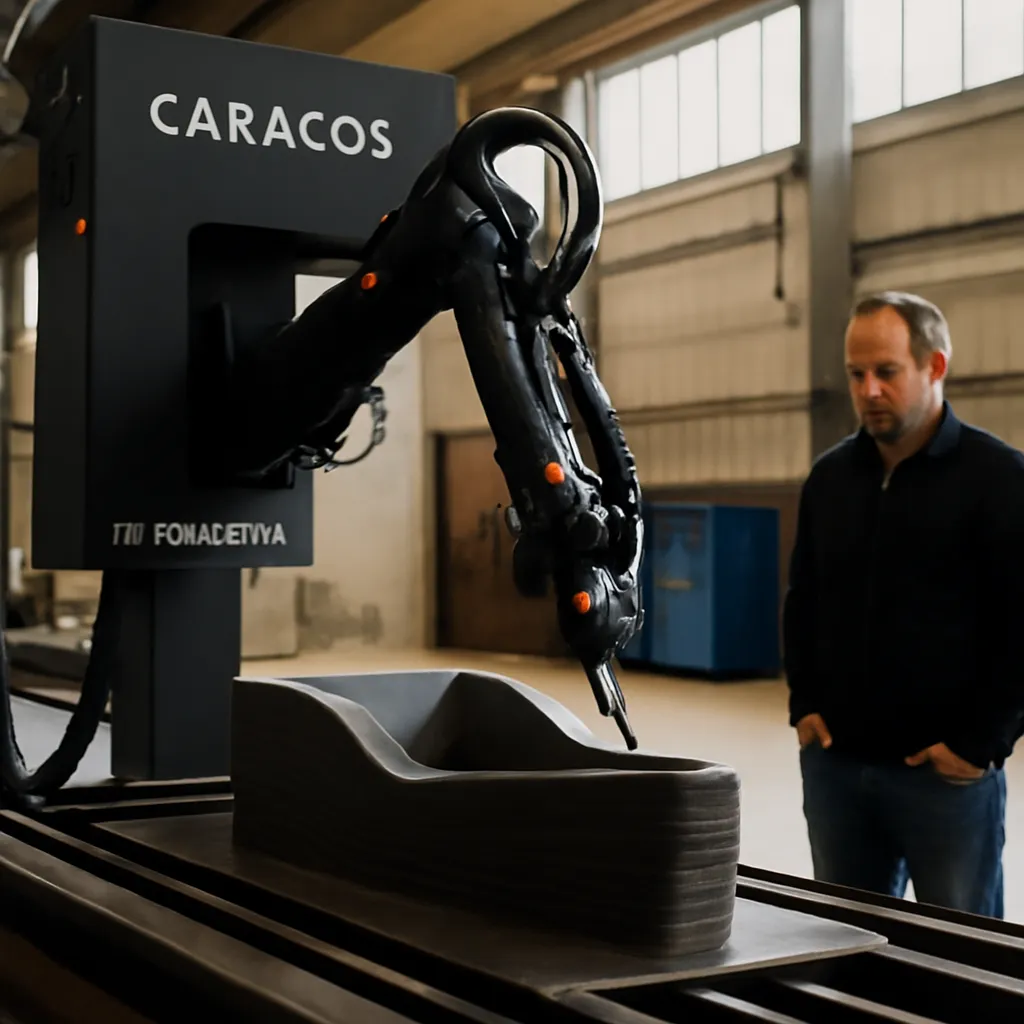
Before the printer is sent to Greenland, GADC will use the Chicago location to test materials and production methods tailored for Arctic applications. This phase will also focus on developing a training and business model for the joint venture. While a local operating partner and the final site in Greenland remain to be determined, the intent is to foster skilled jobs and local production capabilities that cater to the community's needs.
Economic Implications
Larry G. Swets Jr., Chairman of GADC, emphasized the importance of building lasting value in Greenland through local capabilities, stating that such initiatives could significantly benefit the economy through natural resource exploration and infrastructure development. The facility is expected to cater to various sectors, including natural resources, infrastructure, tourism, and local businesses.