
Beehive Industries Successfully Tests New 3D Printed Jet Engine in Just Four Months
Written with artificial intelligence.
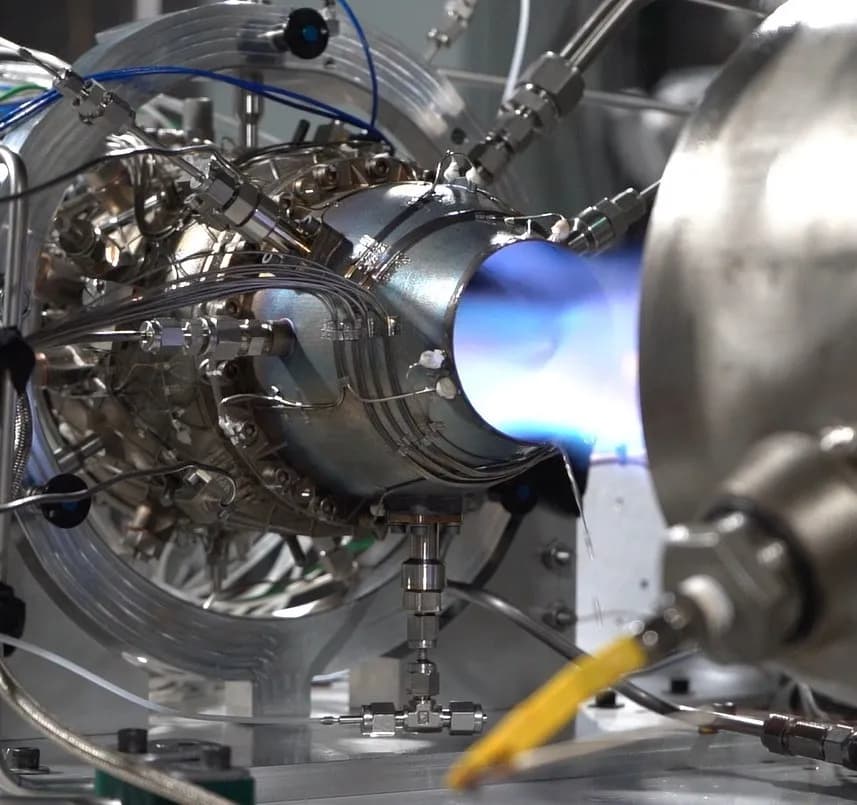
Beehive Industries has successfully test-fired its Frenzy 6 jet engine prototype just four months after finalizing requirements with the U.S. Air Force. The engine aims to provide enhanced reliability and performance for unmanned aerial vehicles.
Quick Development of the Frenzy 6 Prototype
Beehive Industries, based in Colorado, has made significant strides in the development of its Frenzy 6 jet engine, achieving a successful test-fire just four months after finalizing its design requirements with the U.S. Air Force. This rapid turnaround is a testament to the company's innovative approach to additive manufacturing.
The engine, capable of delivering 100 lbf of thrust, was first test-fired on September 23. During its initial run, the prototype, known as the Zero Engine to Test (ZETT), reached an impressive 80,000 RPM. Beehive's objectives for this testing included assessing reliability, performance, and operability, all crucial for defense applications.
Leveraging Design Principles
Frenzy 6 is the second iteration in the Frenzy engine family, following the Frenzy 8, which delivers 200 lbf of thrust. Beehive's engineers applied lessons learned from the development of Frenzy 8 to streamline the design process for Frenzy 6. Chief Technology Officer David Kimball highlighted that the expedited timeline from requirements to testing showcases the capabilities of additive manufacturing in scaling concepts quickly.
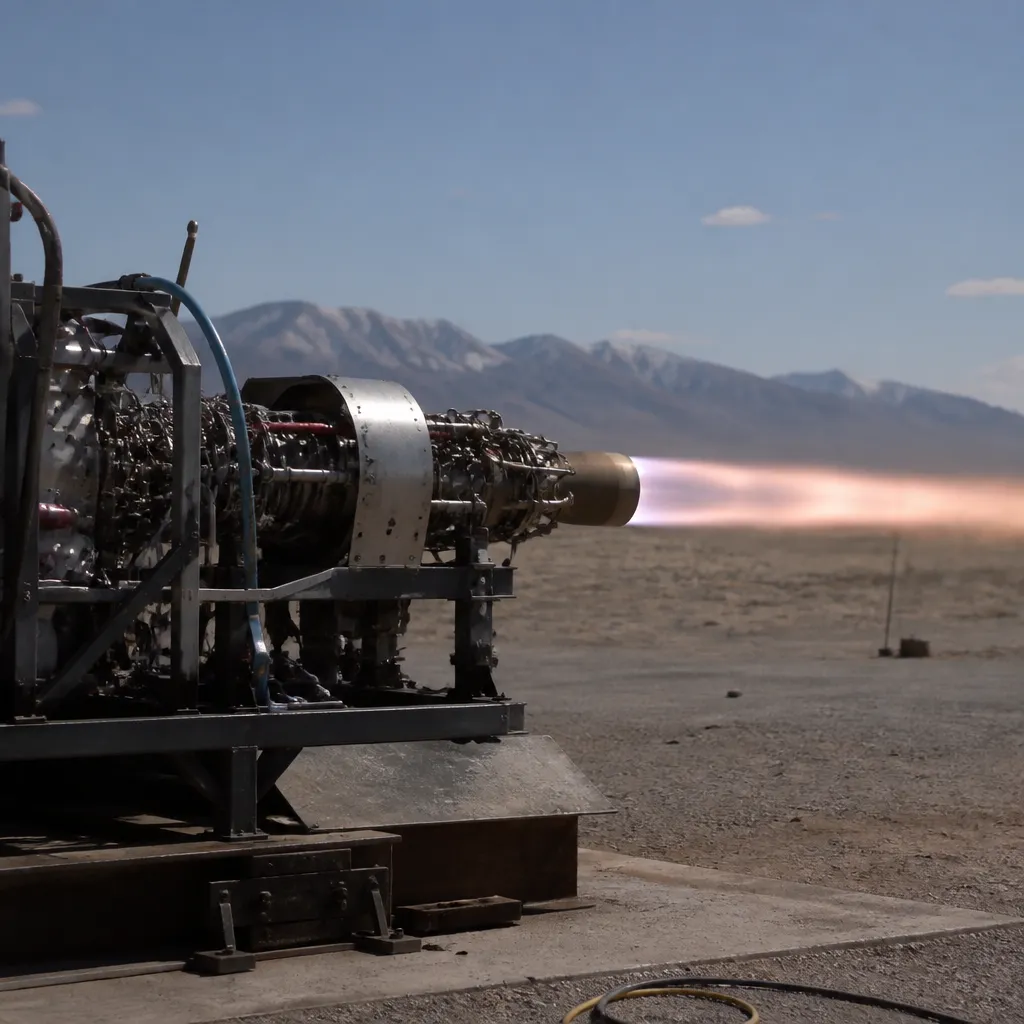
The design of Frenzy 6 involves a significant consolidation of parts — hundreds of conventional components have been reduced to just 15 primary parts. This consolidation not only lowers production costs but also simplifies the design and assembly processes, making the engine more suitable for smaller munitions and unmanned aerial vehicles (UAVs).
Future Prospects
With ongoing investments and recent acquisitions, including EOS 3D printers, Beehive Industries aims to ramp up production to over 8,000 jet engines annually. The company's approach aligns with the growing demand for affordable and mass-producible defense systems that enhance operational capabilities in the field.