
3D-Printed Tungsten Survives Plasma Blasts in Fusion Reactor
Written with artificial intelligence.
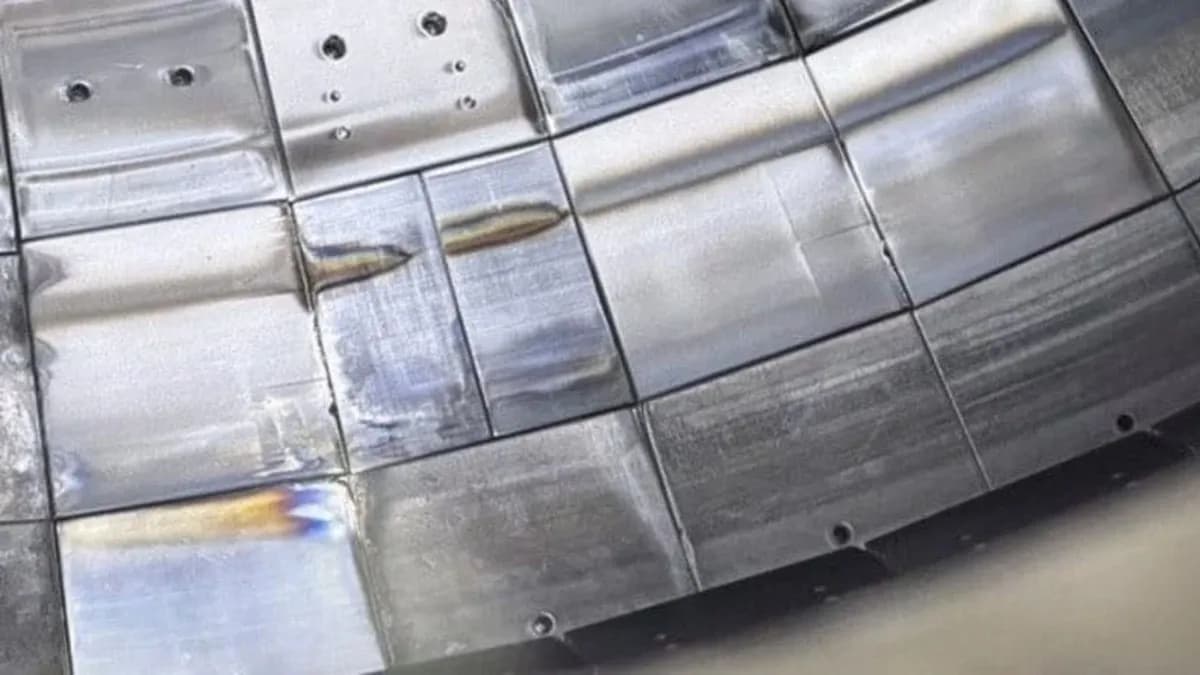
Full-size 3D-printed tungsten tiles have successfully withstood 74 plasma discharges in the DIII-D National Fusion Facility, demonstrating their potential for future fusion reactors. This achievement marks a significant milestone in additive manufacturing for fusion energy applications.
Durability of 3D-Printed Tungsten
Full-size 3D-printed tungsten tiles have withstood 74 intense plasma blasts at the DIII-D National Fusion Facility in San Diego, emerging completely intact. The tiles, made using electron-beam powder bed fusion (EB-PBF), were exposed to extreme conditions in the reactor's divertor zone for approximately four minutes during high-power runs.
Advanced Manufacturing Method
Researchers utilized EB-PBF to ensure the tungsten remained above 2,552°F throughout the printing process, preventing brittle cracking. This method involves melting tungsten powder layer by layer with a high-speed electron beam, which allows for the creation of robust components suitable for commercial fusion reactors like ITER.
Collaborative Effort
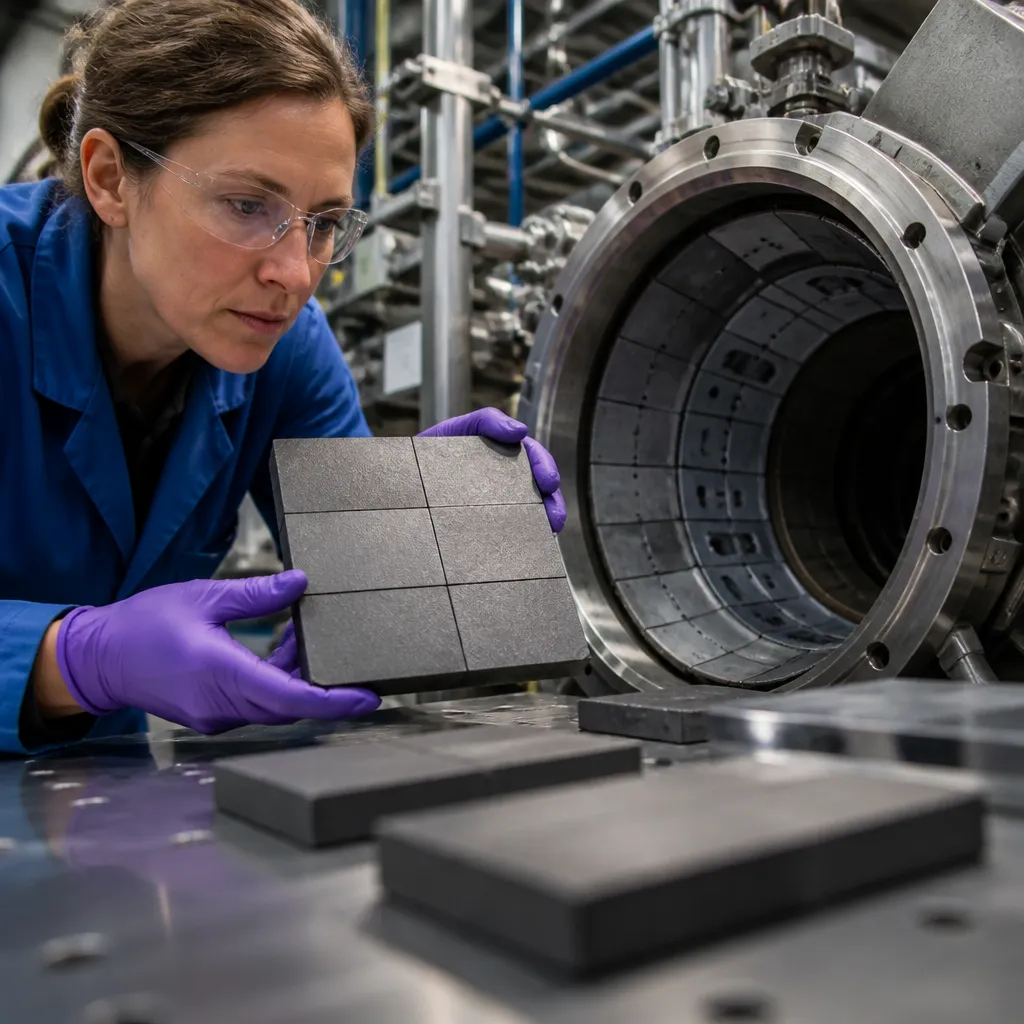
The project was a joint effort by North Carolina State University, Oak Ridge National Laboratory, and JEOL Ltd. The team successfully scaled up the manufacturing process, producing tiles measuring roughly 140 millimeters across and 20 millimeters thick within eight months. These tiles were then finished at NC State before being tested in July.
Implications for Fusion Energy
The successful testing of these tiles represents a critical advancement in the path toward commercial fusion energy. As Dr. Florian Laggner of NC State noted, generating relevant data on the survivability and erosion of additively manufactured tungsten is essential for future developments in fusion technology.