
Pork Gelatin Identified as Optimal Bio-Ink for 3D-Printed Cultured Meat
Written with artificial intelligence.
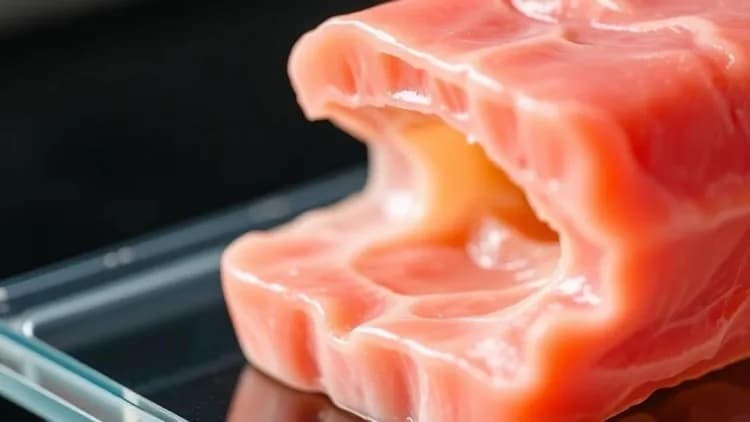
A recent study has found that pork gelatin, particularly at a 20% concentration, is the most effective bio-ink for creating scaffolds in 3D-printed cultured meat. This research addresses the growing food demand projected for the future by enhancing the printability and structural stability of lab-grown meat products.
Study Overview
Researchers from Kongju National University and the National Institute of Animal Science in South Korea explored the potential of different gelatin sources as bio-inks for 3D-printed cultured meat. Their findings, published in Food Science of Animal Resources, highlight pork gelatin as the leading option due to its superior printability and structural stability.
Importance of Cultured Meat
As the global population is expected to reach 9.2 billion by 2050, food demand will significantly increase, with meat consumption projected to rise. Cultured meat offers a sustainable alternative by growing meat products from animal cells without the need for slaughter. This technology seeks to meet rising food demands while addressing environmental and ethical concerns.
Key Findings
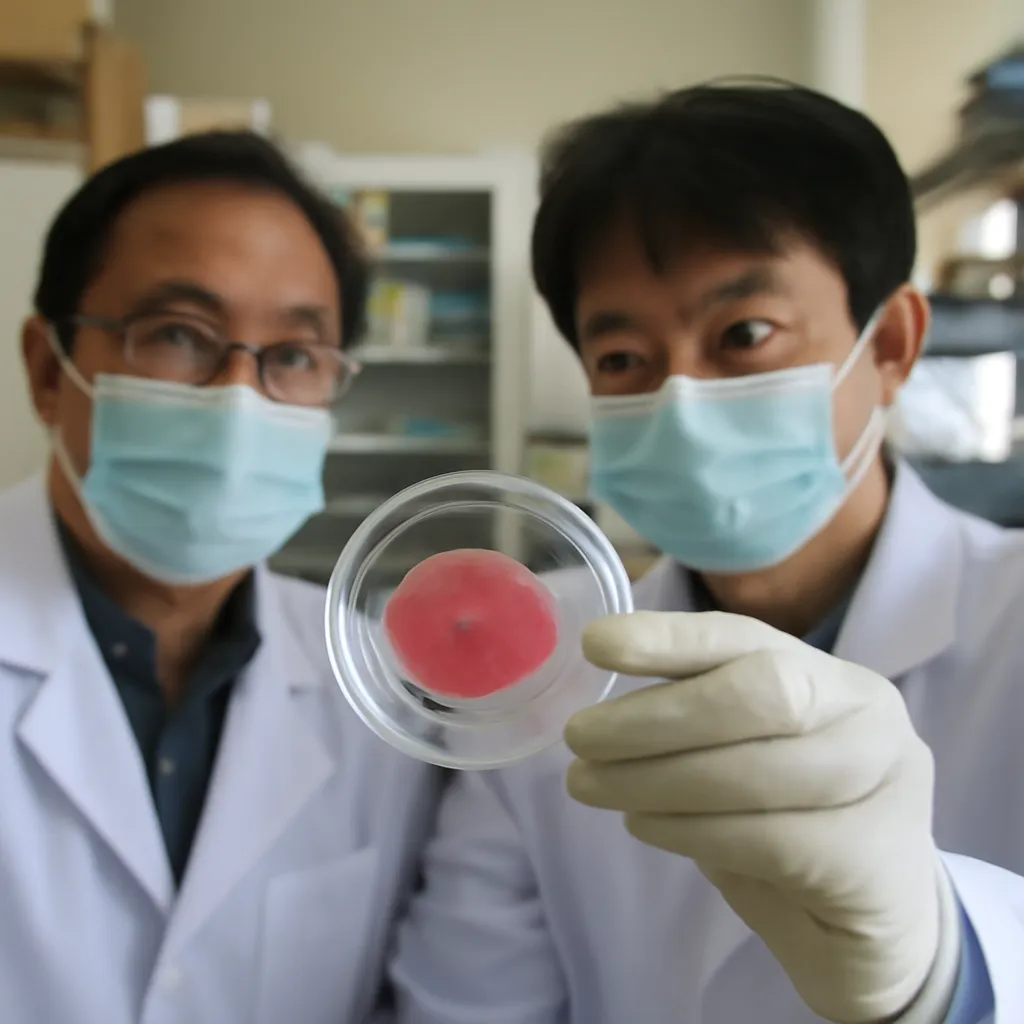
The study systematically evaluated bio-inks made from beef, pork, and fish gelatin by testing their pH, color, viscosity, printability, and structural integrity. Key conclusions from the research include:
- Pork Gelatin as Leader: At a concentration of 20%, pork gelatin exhibited the best combination of properties for 3D printing, outperforming beef and fish gelatin.
- Viscosity Matters: Pork gelatin demonstrated higher viscosity across tested concentrations, essential for the printing process.
- Optimal Concentration: While higher concentrations increased viscosity, the study recommends maintaining pork gelatin below 32% to avoid compromising gel stability.
Future Implications
This research sheds light on the food-grade applicability of gelatin-based bio-inks, previously underexplored in food systems. The findings suggest that 3D bioprinting can enhance the production of cultured meat, paving the way for more complex and appealing meat products that could meet dietary needs and preferences in the future.