
OpenCAL: A DIY Volumetric 3D Printer from UC Berkeley
Written with artificial intelligence.
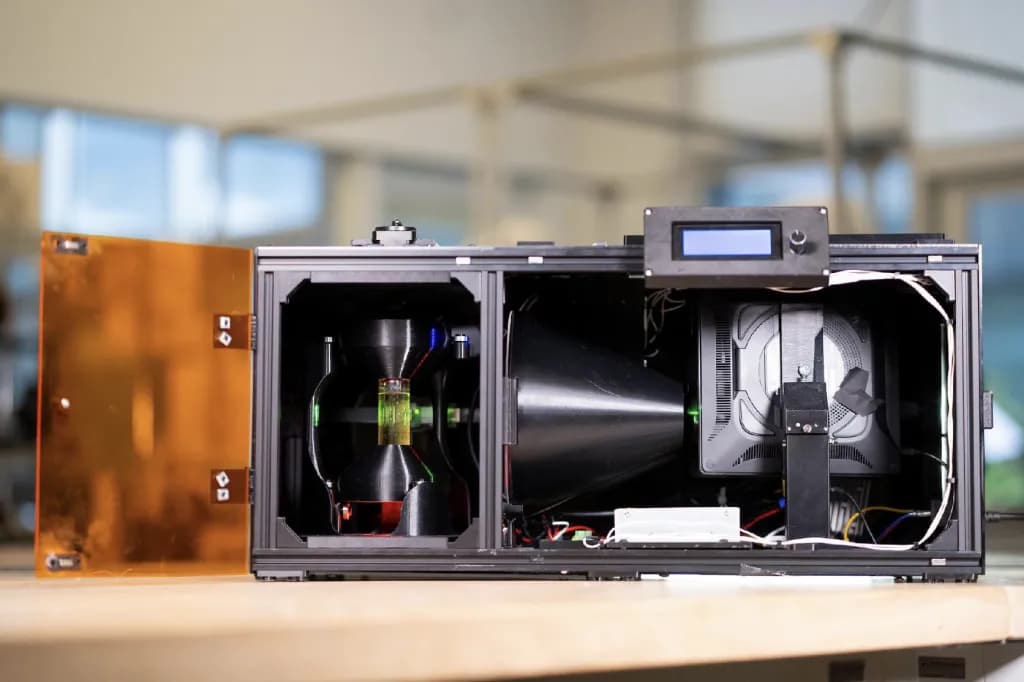
The University of California, Berkeley has unveiled OpenCAL, a do-it-yourself volumetric additive manufacturing printer that can produce entire parts in approximately 90 seconds. With a build cost of about $1,600, all necessary documentation is publicly available, allowing anyone to contribute and enhance the technology.
Introduction to OpenCAL
Researchers at the University of California, Berkeley have released OpenCAL, an innovative build-it-yourself volumetric additive manufacturing (VAM) printer. This machine can create a complete part in about 90 seconds by solidifying resin within a rotating vial, and can be assembled for approximately $1,600.
Technology Behind OpenCAL
OpenCAL utilizes Computed Axial Lithography (CAL), a technique developed in 2017. Unlike traditional methods that build objects layer by layer, CAL projects light patterns into resin, allowing for simultaneous formation without the need for support structures or moving parts. The printer is equipped with consumer-grade components, including an LED projector and a Raspberry Pi, and can be assembled in five to six hours using the provided documentation.
Community and Open Source Collaboration
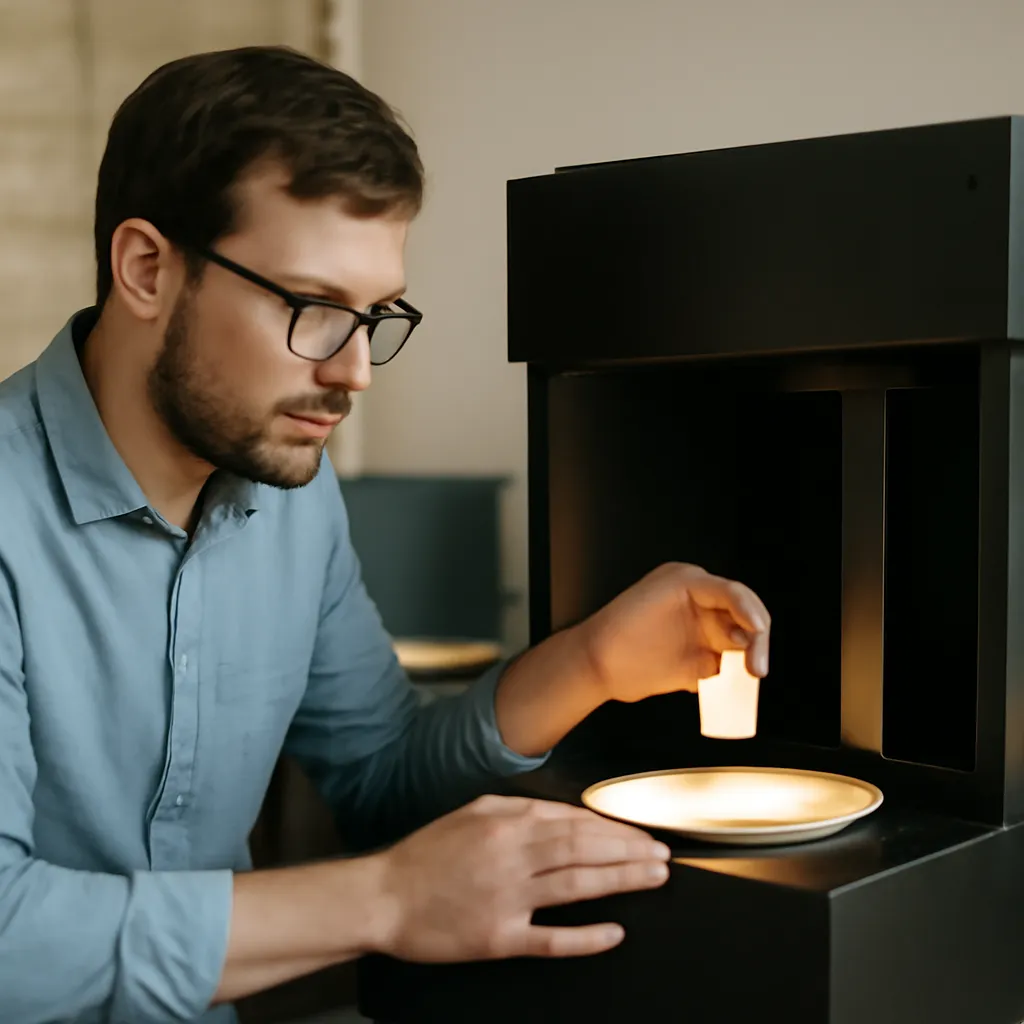
The project is open-source, with all drawings and code available for public access. This collaborative effort has involved over 40 contributors, primarily students from Berkeley. The printer's resin formulation, now produced by Formlabs, has lowered barriers for home builders, making the entire process more accessible.
Future Developments and Workshops
Berkeley will host a workshop in February 2027 to guide participants in building their own OpenCAL printer. The release aligns with a broader trend in desktop 3D printing, aiming to democratize access to advanced manufacturing technologies. As the community grows, so does the potential for innovation in volumetric printing.