Oak Ridge National Laboratory and Boeing Create 3D-Printed Steel Mold for Aircraft
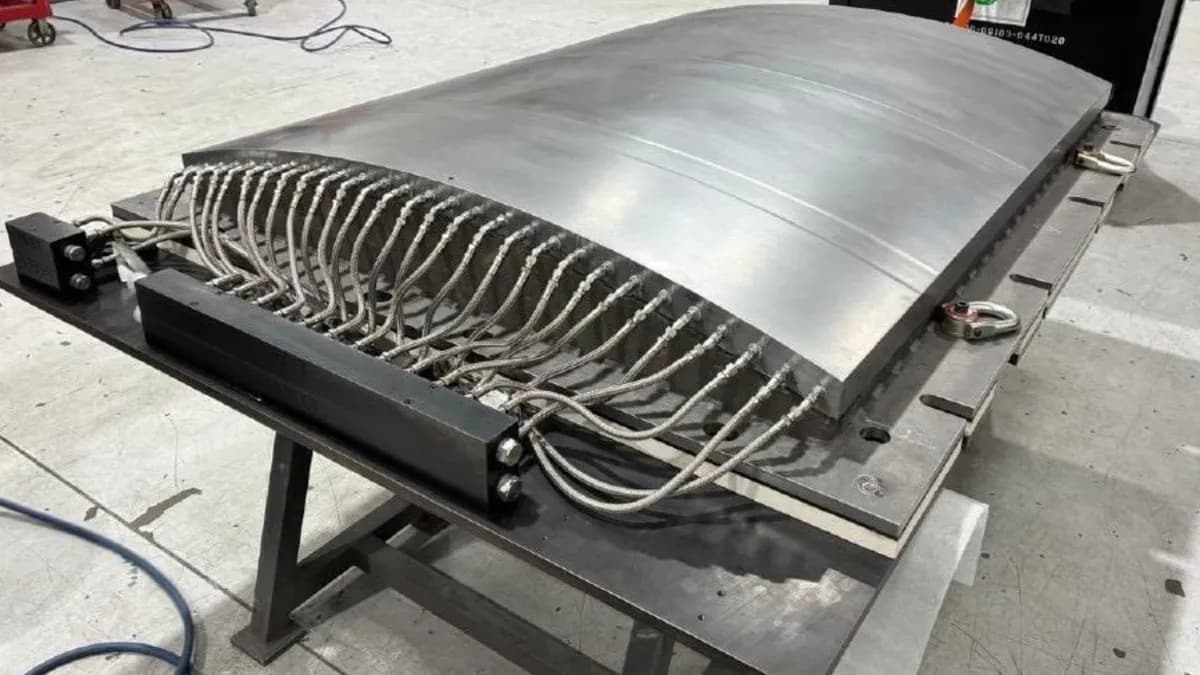
Engineers at Oak Ridge National Laboratory and Boeing have successfully 3D-printed a two-ton steel mold, known as a Stamp Form Die, designed for creating lightweight thermoplastic composite doors for next-generation aircraft. This innovative process could significantly reduce manufacturing time and costs while enhancing fuel efficiency in commercial aviation.
Innovative Manufacturing Process
A significant advancement in aerospace manufacturing has been made by engineers at Oak Ridge National Laboratory (ORNL) and Boeing, who have 3D-printed a two-ton steel mold over eight weeks. This mold, known as a Stamp Form Die (SFD), is essential for shaping high-performance thermoplastic composite doors intended for next-generation aircraft.
Technology Behind the Mold
Utilizing advanced wire-arc additive manufacturing, the mold combines mild and stainless steel, featuring internal curved cooling channels that enhance durability and thermal management. The project supports NASA's Hi-Rate Composite Aircraft Manufacturing (HiCAM) initiative, which aims to increase commercial aircraft production rates while decreasing weight and improving fuel efficiency. According to Richard Young, NASA HiCAM project manager, these advancements are crucial for maintaining the U.S. competitive edge in the commercial aircraft sector.
Advantages of 3D Printing
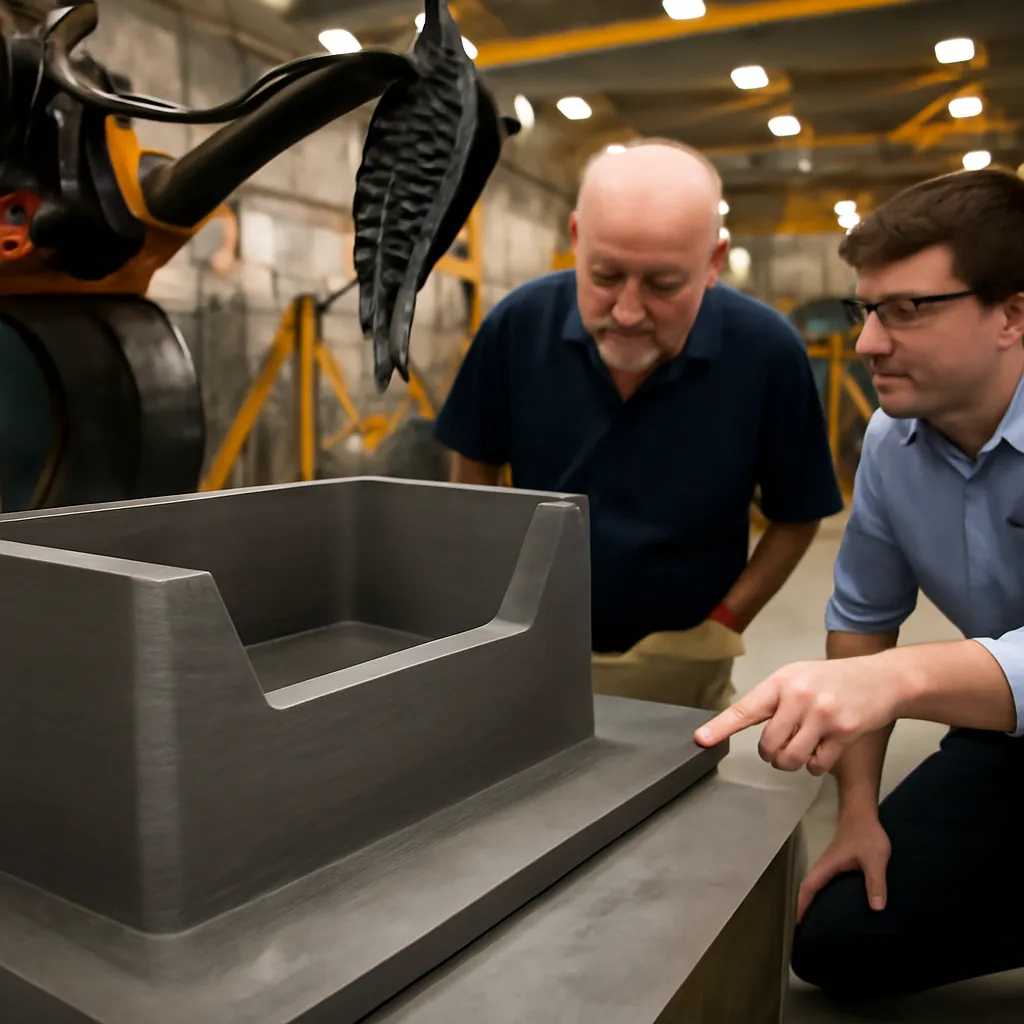
Traditionally, manufacturing such large molds would require months of processes like casting and heavy drilling. However, this new method could potentially reduce both time and costs. The mold functions akin to a punch press, stamping hot plastic sheets into lightweight aircraft doors. ORNL's Arc-1 system enables multiple wire types to be fed simultaneously, providing significant design flexibility.
Broader Applications
The implications of this successful 3D printing process extend beyond aviation. The technology can be applied in various sectors, such as energy and automotive, to produce large, lightweight components. As Ahmed Arabi Hassen, ORNL’s group leader for Composites Innovation, noted, this test case indicates the potential for large thermoplastic structures across U.S. industries. Applications may include electric vehicle body panels and tooling for wind turbine blades and rocket structures, showcasing the versatility of this manufacturing technique.