
Makers Making Change and Bambu Lab Launch Global Assistive Tech 3D Printing Challenge
Written with artificial intelligence.
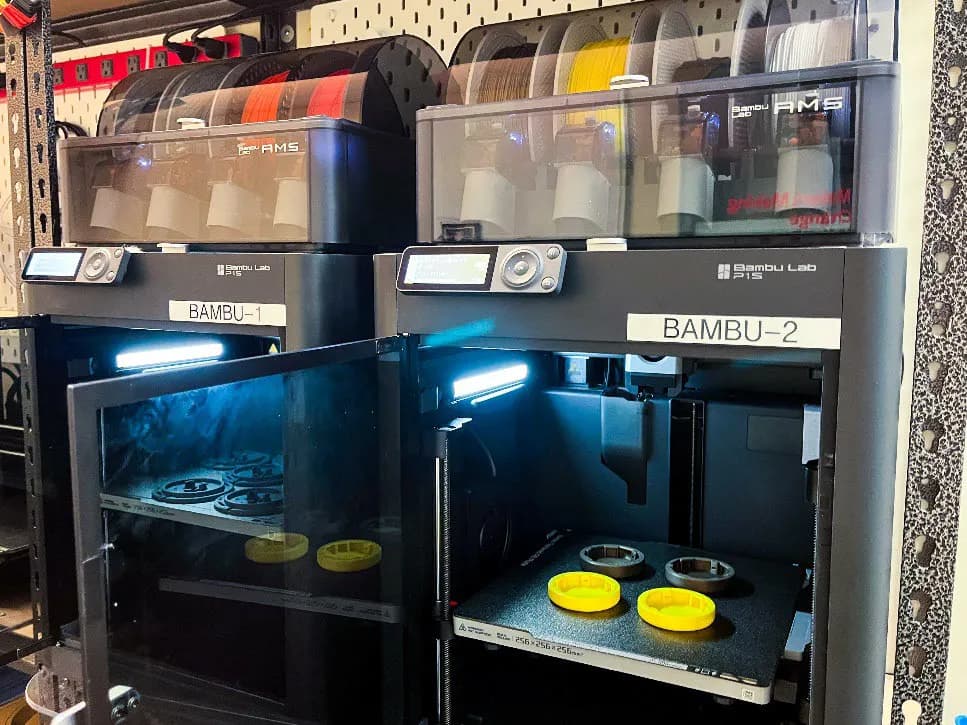
Makers Making Change, through a partnership with Bambu Lab and several accessibility organizations, has initiated the Make for Good challenge aimed at developing assistive technology. Participants can choose from 24 design briefs to create devices that address specific needs of individuals with disabilities.
Overview of the Challenge
Makers Making Change, an initiative of the Canadian nonprofit Neil Squire, has teamed up with Bambu Lab and six accessibility organizations to launch the Make for Good design challenge. This global initiative invites designers and 3D printing enthusiasts to create assistive devices that meet real-world needs identified by people with disabilities. The challenge is hosted on Bambu Lab’s MakerWorld platform.
Design Briefs and Participation
Participants will have access to 24 different design briefs from various organizations. Some examples include:
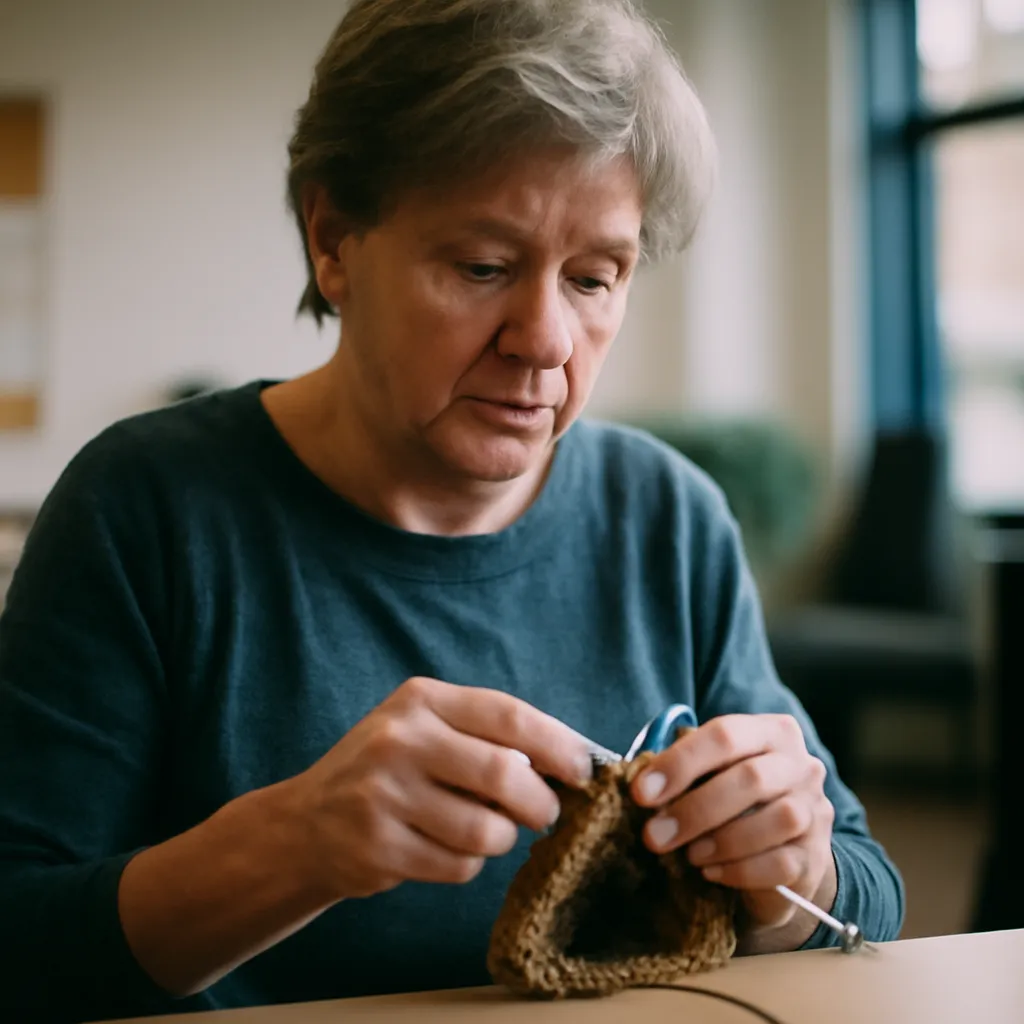
- A knitting-needle support for stroke survivors
- A guitar pick for users with limited grip
- A marker-cap aid for teachers with reduced grip strength
These briefs cover various activities, from personal care tasks to recreational activities like pickleball. Devices developed should be 3D printable and replicable by other makers.
Collaborative Efforts
The challenge is enhanced by contributions from organizations such as PrintLab, Ayúdame3D, and e-NABLE France, each bringing unique expertise to the design and distribution processes. For instance, Ayúdame3D will help distribute winning designs internationally, while the Emerging Tech Lab will ensure that designs reflect users' lived experiences.
Submission and Prizes
Designers will have two months to submit their entries on MakerWorld, followed by a month for printing and testing shortlisted models. The grand prize for winners in each category is a Bambu Lab A1 3D printer. Winning designs will be added to open libraries for distribution through volunteer networks operating in over 70 countries, facilitating wider access to assistive technologies.