
Innovative 3D-Printed Concrete Can Store Electricity
Written with artificial intelligence.
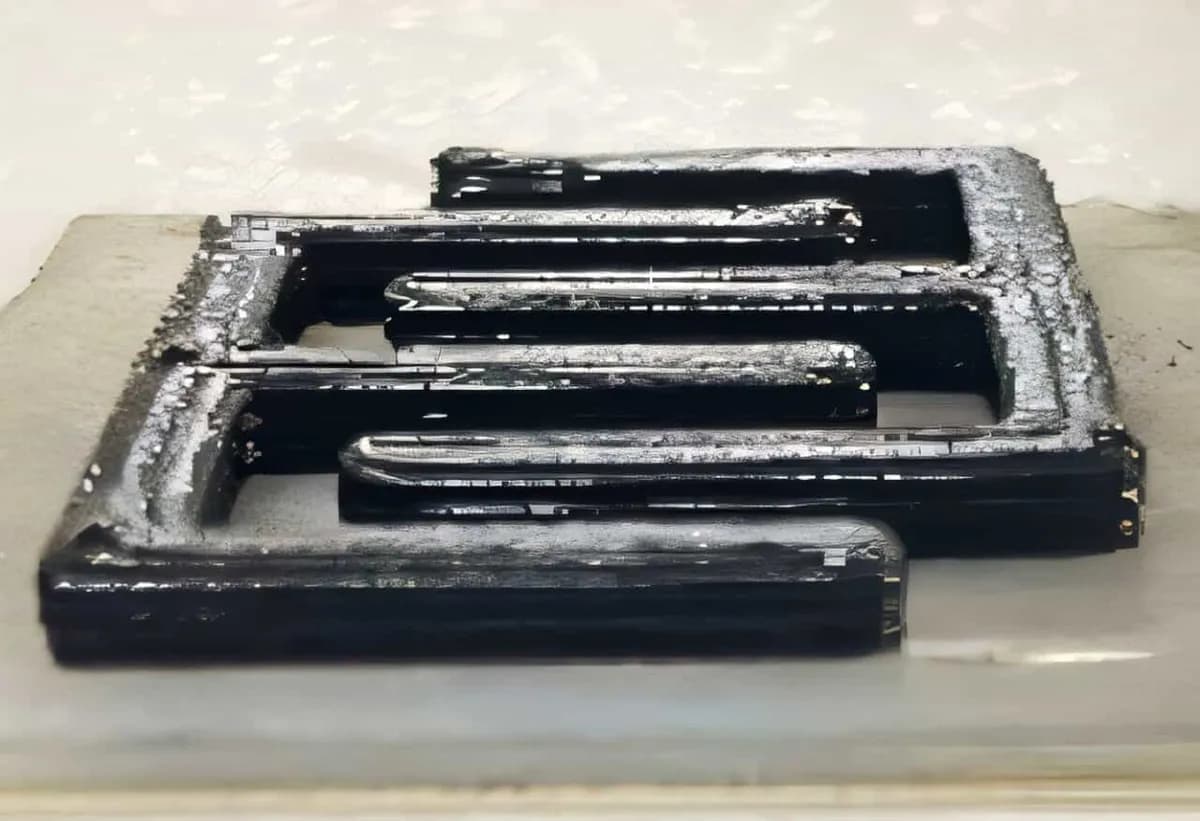
Researchers in China have developed a novel type of concrete that can store electricity while still supporting structural loads. This advancement, achieved by embedding supercapacitors into the cement, could transform building materials into active components of energy systems.
Introduction to Energy-Storing Concrete
Concrete has primarily served as a foundational material in construction, but recent developments by researchers from Harbin Institute of Technology and the Chinese Academy of Sciences have introduced a new capability: energy storage. This innovative concrete can not only support buildings but also store electricity, potentially revolutionizing how we think about energy management in architecture.
How It Works
The researchers created a prototype by embedding supercapacitors within a cement-based structure. By integrating carbon black and carbon nanotubes into the concrete mix, they produced electrically conductive ink suitable for 3D printing. The design features a unique interlocking pattern that enhances ion movement, allowing the concrete to maintain its structural integrity while efficiently storing energy.
Key specifications of the prototype include:
- Areal capacitance: 162.14 millifarads per square centimeter
- Energy density: 22.52 microwatt-hours per square centimeter
- Compression strength: 23 megapascals
These properties indicate that the concrete is comparable to conventional construction materials.

Practical Applications and Future Prospects
Although the current prototype is not ready to replace traditional energy storage systems, it opens the door to the concept of energy-storing buildings. The researchers envision applications such as emergency lighting and sensors embedded within structures, which could harness locally generated solar energy. As buildings evolve into smart environments, the potential benefits of this technology could expand significantly.
Challenges Ahead
Despite its promise, several challenges remain. For instance, the concrete's performance diminishes at very low temperatures, and it currently lacks the energy density of lithium-ion batteries. Scaling this technology for practical use in large buildings will also require addressing issues related to wiring, durability, and maintenance. Nonetheless, as the field progresses, integrating energy storage into building materials could lead to more efficient and sustainable architectural solutions.