
Exploring Embedded 3D Printing with Liquids on a Modified Prusa FDM Printer
Written with artificial intelligence.
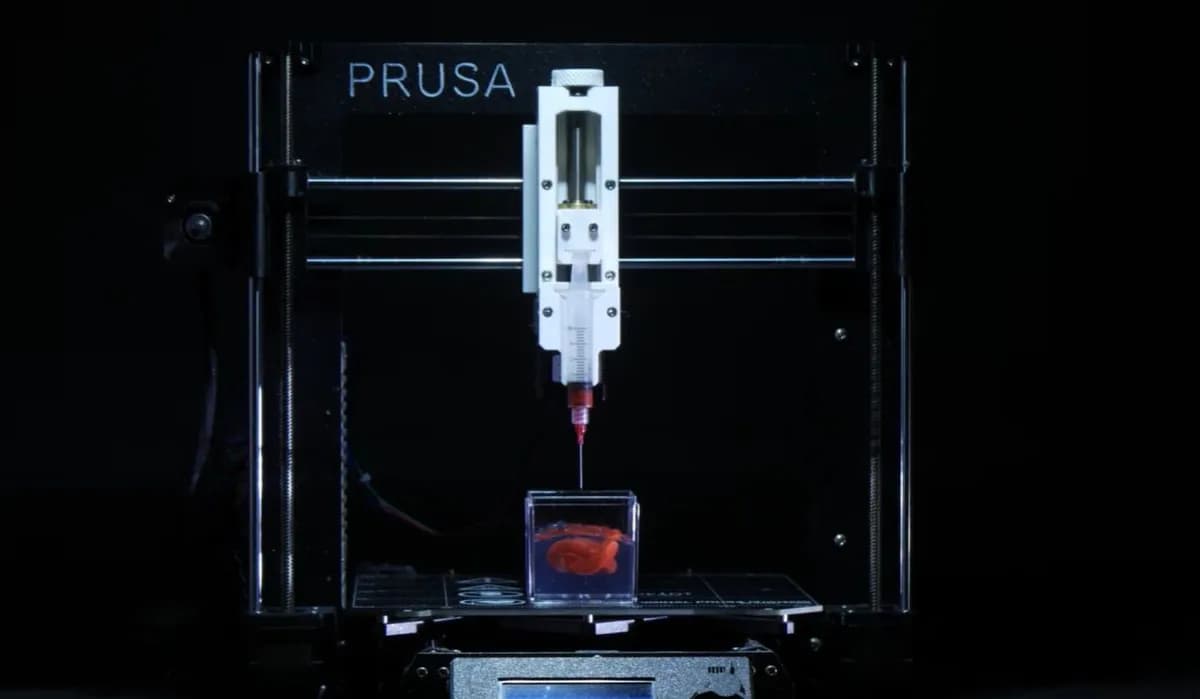
A recent project by Riley involved repurposing a damaged Prusa i3 FDM printer to experiment with embedded 3D printing (E3DP). By replacing the hot-end with a syringe system, he sought to explore new printing possibilities using supportive liquids.
Project Overview
Riley acquired a worn-out Prusa i3 FDM printer, notably damaged by a hot-end failure. This condition provided an opportunity for him to modify the printer for embedded 3D printing (E3DP), which utilizes a supportive medium to facilitate the printing of complex materials that would otherwise be unmanageable with conventional methods.
Understanding Embedded 3D Printing (E3DP)
In traditional additive manufacturing methods like fused deposition modeling (FDM), materials are extruded onto a build plate or previous layers. This method works well for thermoplastics, but it presents challenges when dealing with other materials that require support. E3DP addresses this by extruding liquids into a supportive medium, enabling a broader range of applications.
Key Findings and Challenges
A review article published in 2026 outlines the current landscape of E3DP, highlighting issues related to print quality and the types of supportive materials used. For example, while some fluids like silicone oil can be problematic due to their Newtonian properties, there have been advancements in support materials for applications such as flexible robotics and biological tissue printing.
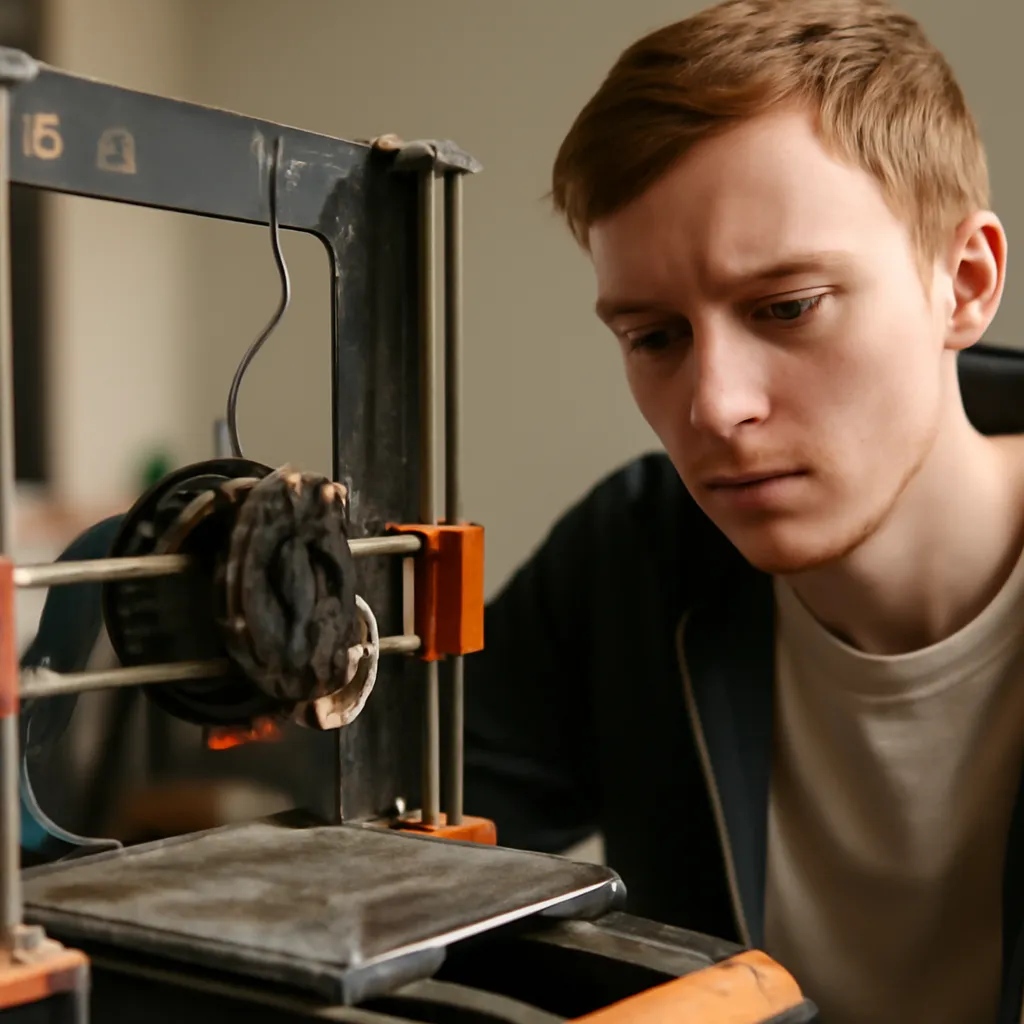
Riley's video illustrates his process in detail, showcasing the transition to an open-source Allstruder syringe pump and a Caribou Duet 3 motherboard. His initial tests included using cream cheese and two-part epoxy, but complications arose when the epoxy did not adhere well to the hair gel used as a support medium. Ultimately, he switched to silicone material, specifically Sylgard 184, although the print did not cure as expected due to interactions with the hair gel.
Conclusion
Riley's experiment showcases the innovative potential of modifying existing 3D printers for new applications. However, he faces challenges in finding suitable supporting materials that allow for successful curing of the printed silicone. His journey illustrates both the promise and complexity of embedded 3D printing processes.